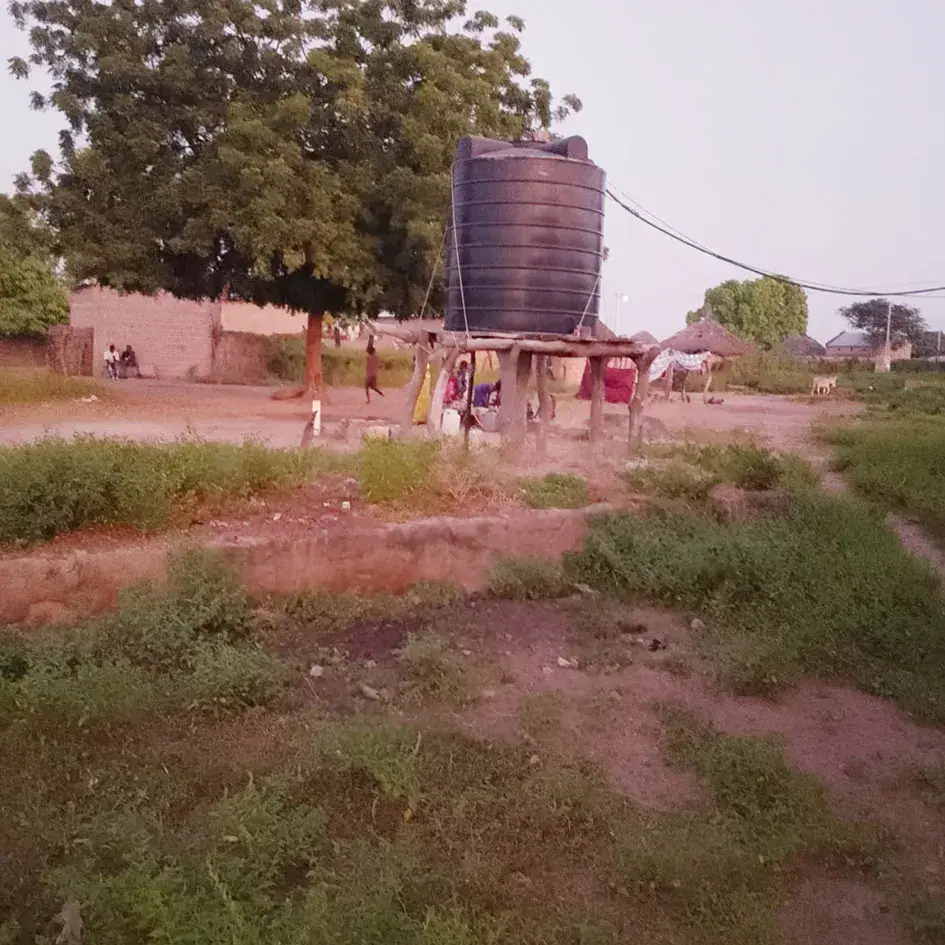
The village of Darou Salam Seck in Senegal's Médina Yéro Foula department is facing a severe water crisis. With a population of over 500, the village relies on a 50-meter deep traditional well for its water supply. However, the water extracted is not suitable for consumption, leaving residents with no choice but to drink it out of necessity. The village's leader, Dame Seck, has expressed concerns about the situation, calling for a functional borehole to address the issue.
The water crisis in Darou Salam Seck has severe consequences for the residents, particularly women. They are forced to fetch water from the deep wells, often walking long distances and carrying heavy loads. This task is not only physically demanding but also exposes them to health risks. The lack of access to clean water also affects the village's livestock, with many animals struggling to find drinking water. Residents are urging the authorities to intervene and provide a sustainable solution to the water crisis.
The village's isolation and lack of infrastructure exacerbate the water crisis. The roads leading to Darou Salam Seck are impassable, making it difficult for vehicles to reach the village. This has resulted in a lack of access to healthcare services, with the local health center in a state of disrepair. Residents are forced to travel to the regional capital, Kolda, for medical care, which is often unaffordable for many.
The situation in Darou Salam Seck has led to a high rate of migration among young people, who are seeking better opportunities elsewhere. The village's economy, which relies heavily on agriculture, is also suffering due to the lack of access to water. Residents are calling for the government to invest in infrastructure, including roads, healthcare facilities, and a reliable water supply.
Despite the challenges, the residents of Darou Salam Seck are resilient and have taken initiatives to improve their situation. They have come together to finance and construct a makeshift water system and a market. However, these efforts are not enough to address the scale of the problem, and the village needs external support to overcome its challenges.
The women of Darou Salam Seck are particularly vulnerable to the water crisis. They are responsible for fetching water and managing the household's water needs, which often puts them at risk of health problems. The lack of access to healthcare services also affects their reproductive health, with many women forced to give birth without medical assistance.
The residents of Darou Salam Seck are calling for urgent action from the government to address their water crisis and provide access to basic services such as healthcare and education. They are seeking a reliable water supply, a functional healthcare center, and improved infrastructure to connect the village to the rest of the region.
Key points
- The village of Darou Salam Seck needs a functional borehole to address its water crisis.
- The lack of access to healthcare services and clean water has severe consequences for the residents, particularly women.
- The village's isolation and lack of infrastructure exacerbate the water crisis and hinder access to basic services.