Authorities and traders in Sudan's Darfur region are turning to West African markets as alternative destinations for agricultural, forest, and livestock products. This shift comes after trade restrictions were imposed by the Rapid Support Forces (RSF) in 2024, which disrupted the movement of commercial goods between areas under its control and territories held by the Sudanese army. The restrictions have significantly impacted producers and traders, according to market monitoring reports.
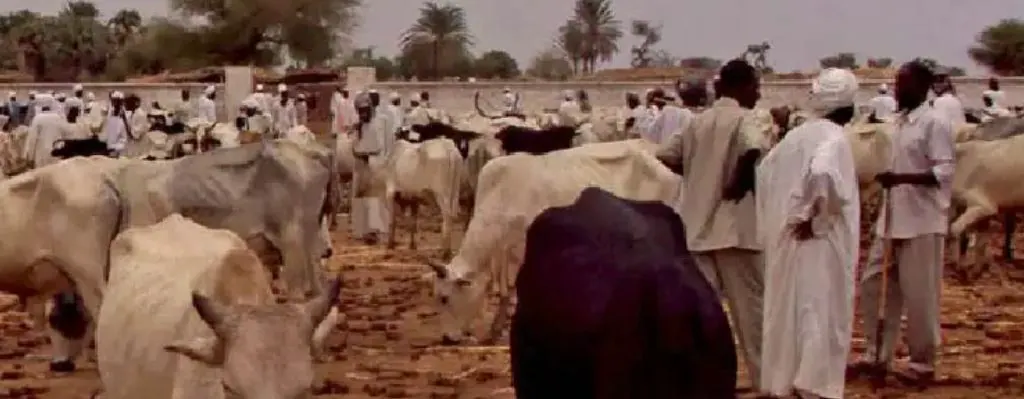
Despite the disruption to exports, agricultural products remain commercially viable in local markets. Mohamed Al-Mahdi Mohamed Ibrahim, director of livestock and agricultural markets at the South Darfur State Ministry of Animal Resources, reported that a tonne of groundnuts is selling for 7 million Sudanese pounds, while a quintal of sesame fetches 180,000 pounds and a sack of onions is selling for 160,000 pounds. Livestock prices vary, with bulls selling for between 1,500 and 3,500 Sudanese pounds.
The restrictions on exports have hurt producers, and Ibrahim is calling for the government to negotiate trade agreements with neighbouring countries. This would create markets for regional products and facilitate imports of essential goods. He also proposed the establishment of a veterinary quarantine facility to certify livestock and issue health certificates for exports. Additional proposals include schools for nomadic communities and cheese-processing factories in areas used for seasonal grazing and livestock migration.
Abubakar Idris Hassan, manager of Al-Manara Trading and Export Company, sees opportunities for Sudanese products in West African markets due to limited competition and a large consumer base. He explained that camels are transported through the desert in northern Darfur to the borders with Chad or the Central African Republic and then trucked to Libya or Algeria. Cattle, agricultural produce, and forest products are also transported through the Umm Dafog market towards Niger and Cameroon.
The proceeds from trade with West Africa could be used to import essential commodities, including sugar, flour, and fuel. Hassan has prepared a study on improving the marketing of agricultural, forest, and livestock products and is calling on traders and governments in the region to cooperate on its recommendations. This could potentially boost the regional economy and provide new opportunities for producers and traders.
The trade restrictions have had a significant impact on the local economy, and finding new markets is crucial for the region's producers and traders. The proposed solutions, including trade agreements and infrastructure development, could help to mitigate the effects of the restrictions and provide a stable future for the region's agricultural and livestock sectors.
As traders and authorities continue to explore new markets and solutions, the future of Darfur's agricultural and livestock sectors remains uncertain. However, with the potential for growth in West African markets and the implementation of proposed solutions, there is hope for a more stable and prosperous future for the region's producers and traders.
Key points
- Trade restrictions have disrupted exports to areas controlled by the Sudanese army.
- Darfur traders are exploring new markets in West Africa.
- Proposed solutions include trade agreements and infrastructure development.