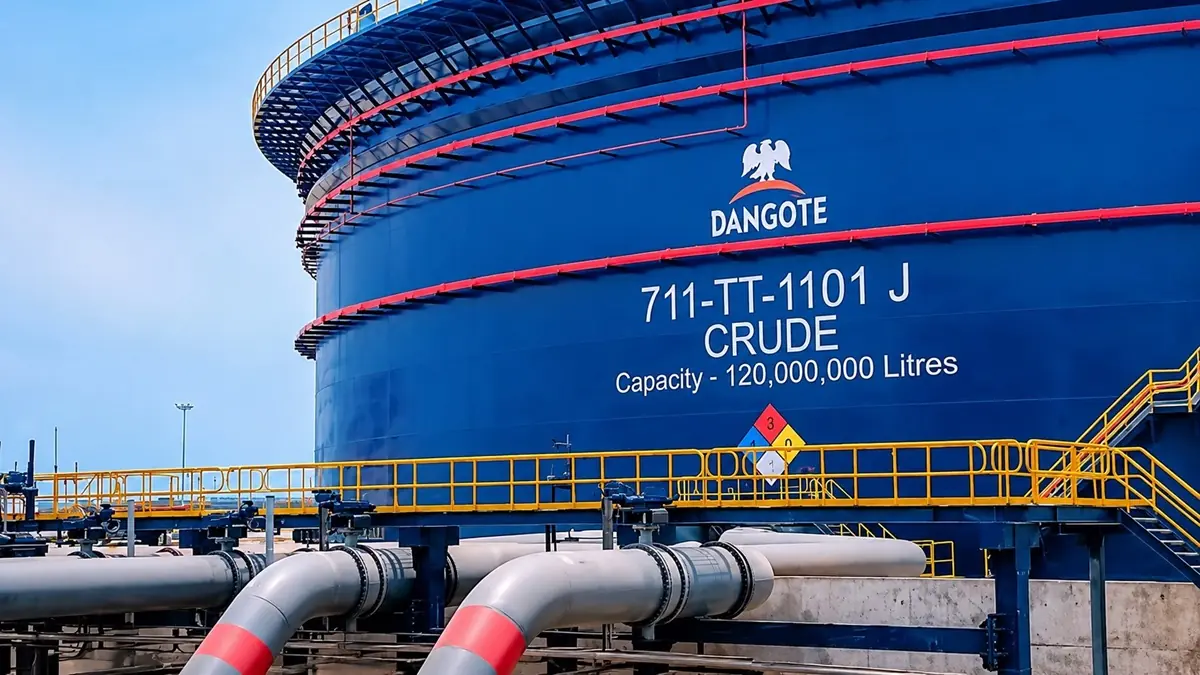
The Dangote Petroleum Refinery has stopped selling Premium Motor Spirit (petrol) to major marketers that import petroleum products, citing concerns that its high-quality fuel could be blended with imported grades of uncertain quality. This decision has raised tensions between the domestic refinery and petroleum importers, with marketers concerned about potential supply challenges. The refinery confirmed the development, stating it would no longer supply petrol to marketers involved in importing the product.
The Dangote refinery is prioritizing sales to members of the Independent Petroleum Marketers Association of Nigeria (IPMAN) and other marketers not known to be involved in petrol imports. This move is believed to be behind efforts by some petroleum marketers to seek legal protection for their import activities. They have approached the court for an order compelling the Nigerian Midstream and Downstream Petroleum Regulatory Authority (NMDPRA) to continue granting them import licences.
Importers and petroleum marketers have rejected the restriction, describing it as an attempt to prevent competition from imported petrol. They argue that a supplier should not determine whether a consumer combines its product with fuel purchased from another supplier. One marketer compared the situation to motorists buying petrol from different filling stations, stating that a supplier cannot dictate how its product is used.
The National Vice Chairman of IPMAN, Hamed Fashola, acknowledged that the refinery appears to be selective in dealing with marketers involved in imports. He stated that independent marketers focus on obtaining petrol at competitive prices and can source products from both domestic refineries and importers. IPMAN's position underscores the competitive dynamics emerging in Nigeria's downstream petroleum market.
The restriction has sparked concerns about potential supply challenges for marketers who cannot import petrol and are also unable to obtain products from the Dangote refinery. The marketers argue that the Federal Government must ensure adequate petrol supply and protect consumers, especially when domestic production cannot meet demand.
Dangote had previously threatened to stop doing business with fuel importers it accused of blending its Euro-5 petrol with imported products. The refinery argues that such practices make it difficult for consumers and regulators to distinguish between products supplied directly by the refinery and products that have been blended or handled by third parties.
The IPMAN National Publicity Secretary, Chinedu Ukadike, believes the Dangote refinery remains open to business with marketers, and independent marketers are prepared to buy from different suppliers. The situation highlights the complexities in Nigeria's petroleum market as domestic refining capacity expands and imports remain an alternative source of supply.
Key points
- Dangote refinery stops selling petrol to major importers over blending concerns.
- Marketers reject restriction, describing it as an attempt to prevent competition.
- IPMAN supports flexible sourcing, with independent marketers buying from domestic refineries and importers based on price and availability.