Nigeria's Dangote Group, led by billionaire Aliko Dangote, has signed a contract with Spanish engineering company Técnicas Reunidas to provide two hydrogen reformers for the fertiliser complex under construction in Gode, Somali Region, Ethiopia. The deal is a significant milestone in the development of the $4 billion project, which aims to produce three million tonnes of urea each year. The complex will also feature a 120-megawatt power plant, a polypropylene packaging facility, and a blending plant capable of two million tonnes of NPK fertiliser annually.
Técnicas Reunidas will design, procure, manufacture, and deliver the two hydrogen reformers within an 18-month timeframe. The units will generate more than 200,000 normal cubic metres of hydrogen per hour, a key feedstock for the plant's planned urea output. The Spanish company will utilise its heat-transfer division TR-Technical and process technology licensed from Denmark's Topsoe to complete the task. This partnership is expected to play a crucial role in the project's success.
The Gode complex was initially valued at $2.5 billion, but its estimated cost rose to over $4 billion in May after the scope was expanded to include a 110-kilometre gas pipeline and additional processing units. Dangote holds a 60 percent stake in the joint venture, with Ethiopia's state-owned investment fund Ethiopian Investment Holdings owning the remaining 40 percent. The project's structure was confirmed at the October 2025 launch ceremony attended by Prime Minister Abiy Ahmed.
The plant will draw natural gas from the Calub field in the Ogaden Basin, supplied under a 25-year agreement with China's GCL Group signed in March 2026. This long-term agreement ensures a stable supply of natural gas, a critical component in the production of fertiliser. Ethiopia, which currently imports almost all of its fertiliser, expects the new complex to cut foreign-currency outflows, boost agricultural productivity, and create jobs.
Prime Minister Abiy Ahmed highlighted the project's potential to transform Ethiopia's agricultural sector during a site visit in May 2026. The complex is projected to commence operations in 2029 and could serve markets across East Africa, further reducing the region's reliance on imported fertiliser. This development is expected to have a positive impact on the regional economy and food security.
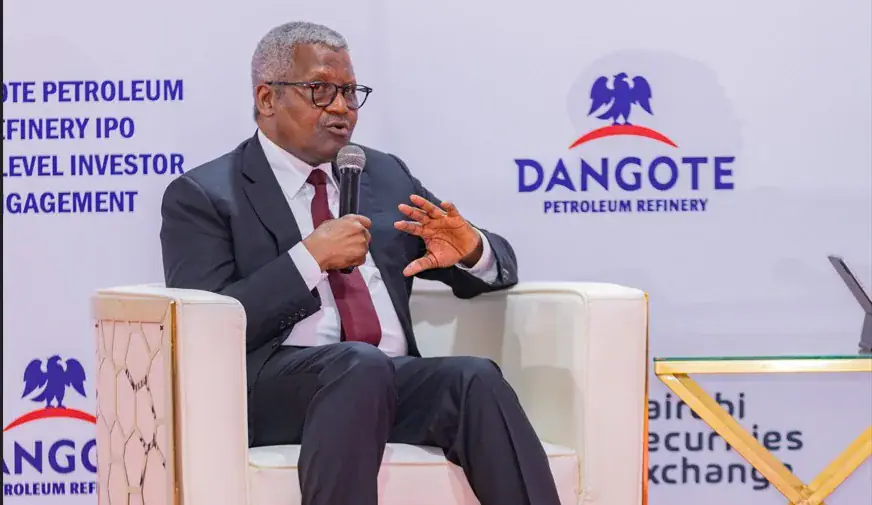
Dangote has indicated plans to float at least 10 percent of the Ethiopian venture on the Ethiopian Securities Exchange once production stabilises. Although no timeline or pricing has been disclosed, this move could provide an opportunity for local investors to participate in the project's success. The Dangote Group's investment in Ethiopia is a significant boost to the country's economy and demonstrates the potential for large-scale industrial projects in the region.
The partnership between Dangote Group and Técnicas Reunidas marks a significant milestone in the development of Ethiopia's fertiliser sector. With the project's completion, Ethiopia is expected to become self-sufficient in fertiliser production, reducing its reliance on imports and promoting sustainable agricultural practices. The project's success will be closely watched by investors, policymakers, and industry stakeholders in the region.
Key points
- The $4 billion Gode fertiliser complex is expected to produce three million tonnes of urea each year and serve markets across East Africa.
- The project will draw natural gas from the Calub field in the Ogaden Basin under a 25-year agreement with China's GCL Group.
- Dangote Group plans to float at least 10 percent of the Ethiopian venture on the Ethiopian Securities Exchange once production stabilises.