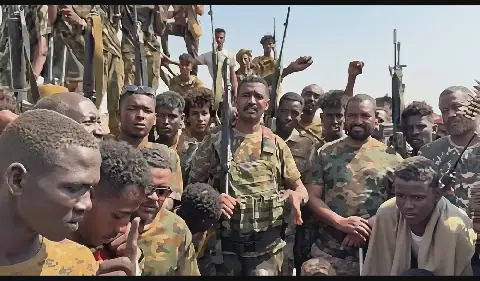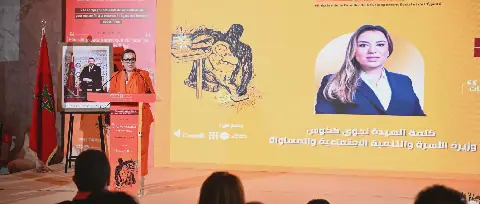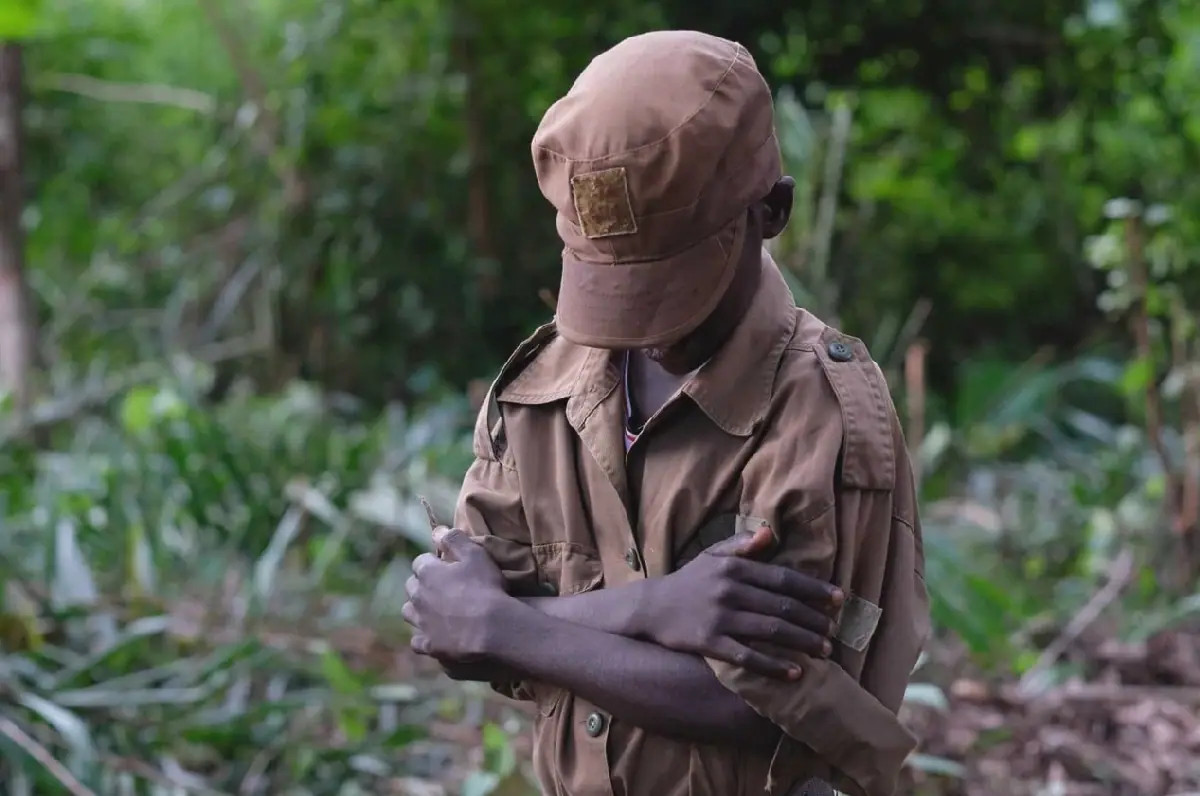
A recent meeting held in Dakhla, Morocco, brought together representatives from 17 African countries to discuss the issue of child recruitment by armed groups. The meeting, organized by the International Research Center on the Prevention of Child Soldiers, aimed to implement the first African agreement on disarmament, demobilization, and reintegration of child soldiers. Participants emphasized the need for a concerted effort to prevent child recruitment and ensure the reintegration of victims.
The meeting's participants recommended establishing a continental database on child soldiers and associated children, as well as a green line for reporting recruitment cases and providing a listening service to victims and their families. They also stressed the importance of setting up an early warning system at the community level and training local actors to identify signs of child recruitment. Moreover, they suggested conducting specialized studies on new forms of child recruitment, particularly in connection with terrorist groups and social media.
To combat child recruitment, participants proposed creating an African observatory to monitor and record cases of child recruitment. They also recommended establishing a special fund to finance prevention and reintegration programs. The fund would provide multi-annual financing to the most vulnerable countries and support trans-border cooperation, particularly in conflict zones. Furthermore, participants suggested mobilizing international partners to support African efforts in this area.
In terms of reintegration, participants emphasized the need for a comprehensive and long-term approach, covering family, community, education, professional, psychological, and social aspects. They recommended strengthening listening centers and care systems in health, justice, and socio-economic integration, relying on existing partnerships with the United Nations Children's Fund (UNICEF) and national funds.
Participants also proposed establishing an Institute of Humanitarian Studies and Peace in Dakhla to strengthen African expertise and develop training and research programs on disarmament, demobilization, reintegration, and child protection. They suggested relying on the African Union's committee of experts to coordinate efforts and positions. Moreover, they emphasized the importance of developing an African framework based on common criteria to identify recruited children, withdraw them from armed groups, and ensure their reintegration.
The meeting's participants noted that the evolution of child recruitment forms, particularly within terrorist groups and online, requires adapted responses. They recommended better articulating prevention and reintegration programs by strengthening social protection, promoting education, and supporting women's empowerment. Furthermore, they stressed that collecting, coordinating, and sharing reliable data at the continental level, as well as mobilizing sustainable financial resources, are essential to measure the phenomenon's scope and guide public policies aimed at combating it.
The meeting, held on the occasion of World Children's Day and the first anniversary of the Rabat Declaration, aims to translate commitments to protecting children from recruitment in armed conflicts into institutional and operational measures. The creation of the African Institutions Network seeks to strengthen coordination between African institutions responsible for child protection, promote the exchange of national experiences and best practices, and establish common monitoring and prevention mechanisms to contribute to the sustainable reintegration of children formerly associated with armed groups.
Key points
- Creation of an African observatory and fund to prevent child recruitment
- Establishment of a continental database on child soldiers and associated children
- Need for a comprehensive and long-term approach to reintegration, covering multiple aspects