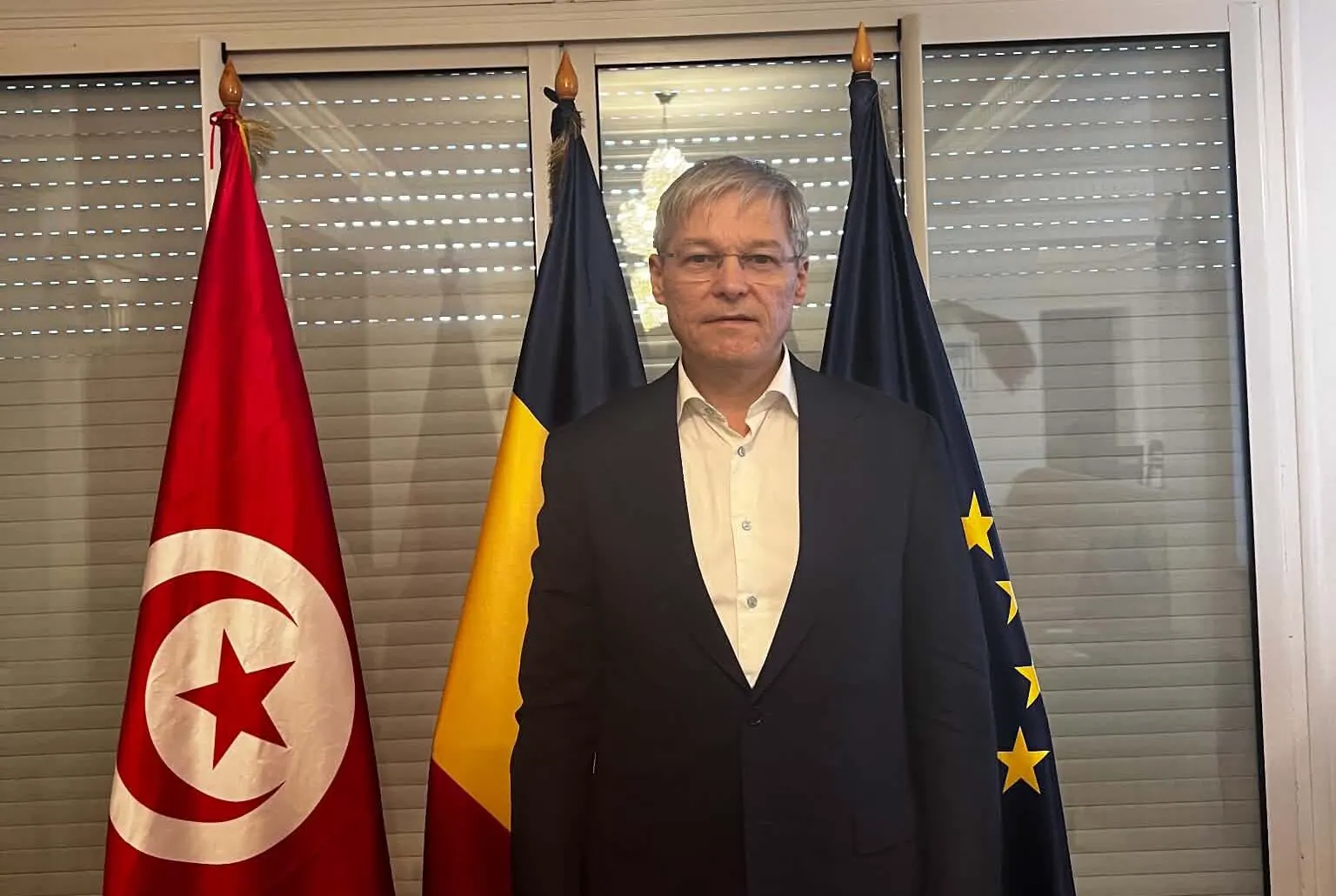
Dacian Cioloș, a former Romanian Prime Minister, European Commissioner for Agriculture, and European Parliamentarian, is one of four candidates vying for the position of Secretary-General of the International Organization of La Francophonie (OIF). He faces stiff competition from three African candidates: incumbent Louise Mushikiwabo from Rwanda, Juliana Lumumba from the Democratic Republic of Congo, and a Mauritanian candidate. Cioloș advocates for a pragmatic approach, aiming to transform French into a "language of opportunity" for young people, extending beyond its cultural heritage.
Cioloș emphasizes that the Francophonie brings together countries from diverse continents, histories, and development levels, united by a common language, French. This linguistic asset enables these varied states to cooperate on shared objectives within a multilateral framework. The Francophonie's role in today's world is to identify concrete goals, responding pragmatically to citizens' needs, despite their geographical and historical diversity. Cioloș's vision focuses on making the Francophonie useful for its member states, providing a tangible benefit to their membership.
Cioloș's candidacy stands out as he comes from a country that has chosen to be part of the Francophonie, seeing it as an opportunity. He credits his access to the French language for his personal and professional growth, having acquired education, work experience, and administrative skills. His project aims to make French a "language of opportunity" for today's young people, just as it was for him. Cioloș believes that the Francophonie should enable member countries to find concrete utility in their membership.
The Francophone space can evolve into an economic area capable of strengthening multilateralism, according to Cioloș. He sees this as a natural progression, building on existing cooperation in education and training. The future of the Francophonie depends on young people's choice to learn French, which must be linked to opportunities such as employment, entrepreneurship, and better global connectivity. Economic cooperation within the Francophonie is essential to create these opportunities for young people, women, and communities.
Cioloș suggests that the Francophonie can facilitate exchanges of best practices in economic policies and commercial matters. By bringing together ministers of economy and trade, member states can align their policies, facilitating access for investors and entrepreneurs. The goal is to encourage private sector investment in Francophone countries and harmonize economic, fiscal, and commercial policies. This cooperation can help countries like Tunisia, Vietnam, Canada, and Romania achieve their development objectives.
The Francophonie's diplomatic weight can be strengthened by encouraging dialogue between Northern and Southern countries, according to Cioloș. The organization forms a network including universities, media, non-governmental organizations, economic actors, and entrepreneurs. By sharing values such as human rights and democracy, Francophone countries can enhance their cooperation and contribute to global dialogue. Cioloș emphasizes that the Francophonie's role goes beyond its political framework, encompassing a broader network of stakeholders.
Cioloș concludes by highlighting the potential for the Francophonie to make a tangible impact on its member states. By focusing on practical objectives and responding to citizens' needs, the organization can demonstrate its value and relevance. The Francophonie's future depends on its ability to adapt and evolve, addressing the challenges and opportunities of a changing world. Cioloș's vision for the organization prioritizes pragmatism, economic cooperation, and the empowerment of young people.
Key points
- Dacian Cioloș aims to transform French into a "language of opportunity" for young people.
- Cioloș advocates for economic cooperation within the Francophonie to create opportunities for young people and communities.
- The Francophonie can contribute to informed multilateralism by encouraging dialogue and cooperation among its member states.