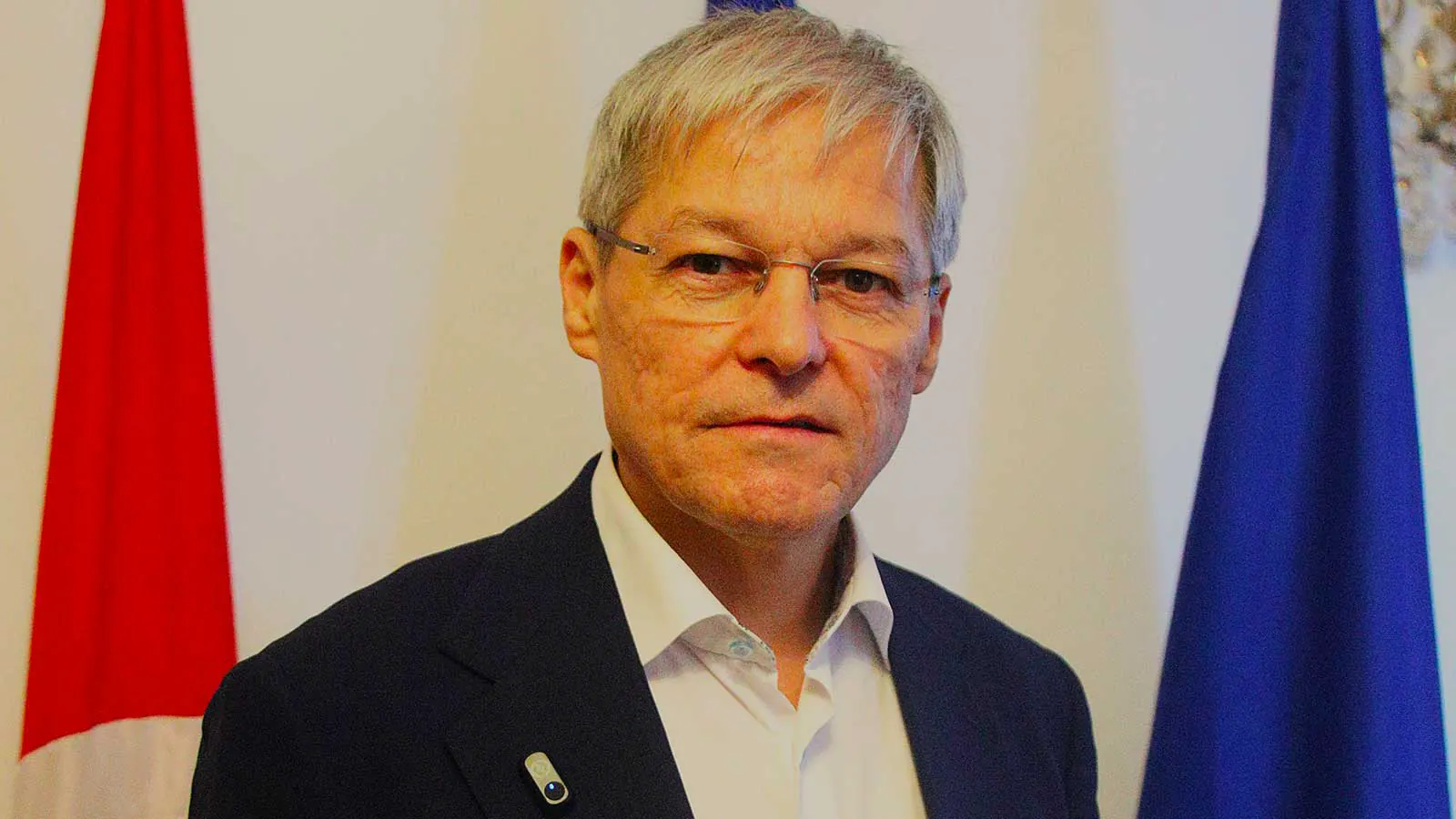
Dacian Cioloș, the Romanian candidate for the position of Secretary-General of the International Organization of La Francophonie (OIF), recently visited Tunisia to present his vision for the organization. He emphasized the need for a Francophonie that is more focused on youth, employment, and economic cooperation. Cioloș aims to make French a language of opportunities for young people, enabling them to access better job prospects and connect with the world. His vision is centered around creating a more pragmatic, inclusive, and decentralized organization.
During his visit, Cioloș highlighted the importance of Tunisia, a country with a long history of cooperation with Romania, and home to the OIF's regional office. He stressed that the next Secretary-General must represent not only the OIF but also the entire Francophone network, and that their legitimacy will depend on the trust accorded to them by heads of state and government. Cioloș believes that the search for consensus among member states is essential to give the organization the strength and legitimacy it needs.
Cioloș advocates for a "courageous, pragmatic, inclusive, and forward-looking" Francophonie, which can be achieved by converging existing programs and projects towards a more practical and youth-oriented approach. He believes that the future of the Francophonie depends on the importance young people place on the French language. If they choose to learn and use it, the language will continue to thrive; otherwise, it risks losing its historical heritage and shared values.
The candidate emphasizes that young people make practical choices when learning a language, seeking to know how it can benefit their professional future and help them achieve their projects. For a young Tunisian, Romanian, Senegalese, Vietnamese, or Dominican, French should be a language of opportunities, facilitating access to employment, promoting entrepreneurship, and offering better connectivity to the world. Cioloș aims to strengthen the links between education, training, and university cooperation, and the concrete opportunities offered by economic cooperation within the Francophone space.
Cioloș places Africa at the heart of his vision for the Francophonie, given the continent's significant number of member states, large Francophone population, and economic growth potential. However, he stresses that prioritizing Africa does not mean limiting the organization to one region's interests. Instead, all member states should be involved in defining priorities, taking into account the specific needs, characteristics, and expectations of each region.
The candidate proposes extending Francophone university cooperation to more ambitious economic cooperation, building on the network of the Francophone University Agency (AUF), the largest university network in the world organized around a language. This cooperation would focus on developing technical, economic, commercial, technological, and digital training, enabling young people to acquire sought-after professional skills and access employment or entrepreneurial opportunities in the Francophone space.
Cioloș encourages member states to work together to achieve his vision, emphasizing that the strength of the Francophonie lies in its diversity, which can become a genuine force if considered a source of complementarity. He advocates for balanced partnerships based on mutual respect and trust, allowing each region to make its voice heard and contribute to shaping the organization's orientations.
Key points
- Cioloș aims to make French a language of opportunities for young people.