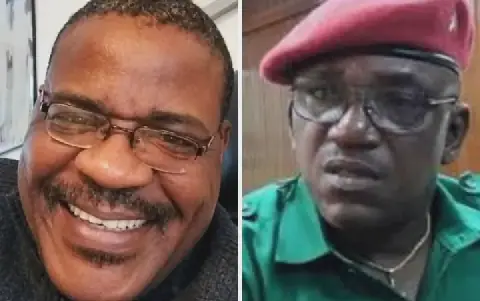
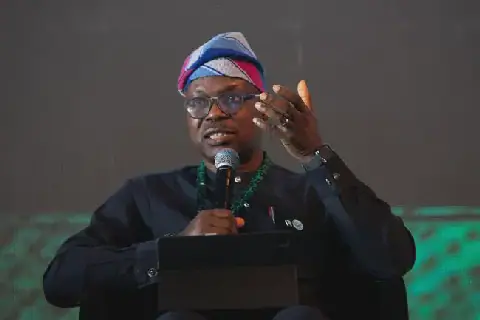
A public disagreement has emerged between Abike Dabiri-Erewa, chairperson of the Nigerians in Diaspora Commission (NiDCOM), and Rufai Oseni, a presenter on ARISE Television. The dispute centers on journalistic standards and a controversial social media post involving Igbo people. Dabiri-Erewa criticized the declining professional standards in journalism during a panel session in Lagos on Saturday, October 11, 2026.
Dabiri-Erewa accused some journalists of making claims without establishing facts, citing a previous controversy involving Oseni. She explained that the controversy began when she reacted with a smiling emoji to a post by a social media user named Stephanie, who operated an X account under the name “Voice of Igbos”. Oseni had accused her of describing Igbo people as “monkeys and gorillas”, a statement Dabiri-Erewa denied making.
The NiDCOM chairperson argued that journalists should be held accountable for their reporting and demonstrate responsibility in interpreting and communicating information. She expressed concern about the deterioration of professional ethics within the media industry, stating that some journalism was “going to the dogs” with no standards or values. Dabiri-Erewa emphasized the need for responsible journalism.
Responding through a series of posts on X, Oseni criticized Dabiri-Erewa for raising the issue at a public event. He argued that she should focus on the responsibilities of the commission she leads rather than engaging in a public dispute with him. Oseni rejected Dabiri-Erewa's explanation of the social media incident, maintaining that reacting with a laughing emoji to a post that denigrated an ethnic group amounted to endorsing its message.
Oseni challenged Dabiri-Erewa to a public debate, insisting that he was prepared to defend his position and explain why he believed her reaction amounted to an endorsement of the controversial post. He called on Dabiri-Erewa to focus on the commission's mandate and its responsibilities to Nigerians living abroad. The exchange has brought attention to questions about journalistic accountability and the interpretation of social media reactions.
The disagreement highlights the importance of responsible communication and the role of public figures and media professionals in discussing sensitive ethnic issues. Dabiri-Erewa's comments have sparked a renewed conversation about journalistic standards and accountability in Nigeria. The incident has also raised questions about the impact of social media on public discourse and the need for responsible online engagement.
The public exchange between Dabiri-Erewa and Oseni has generated significant interest, with many Nigerians weighing in on the debate. The incident has also sparked concerns about the potential consequences of public disputes between prominent figures and the impact on national discourse.
Key points
- The disagreement centers on journalistic standards and a social media post involving Igbo people.
- Dabiri-Erewa and Oseni have exchanged criticisms over the interpretation of social media reactions and journalistic accountability.
- The incident has sparked a renewed conversation about responsible communication and journalistic standards in Nigeria.