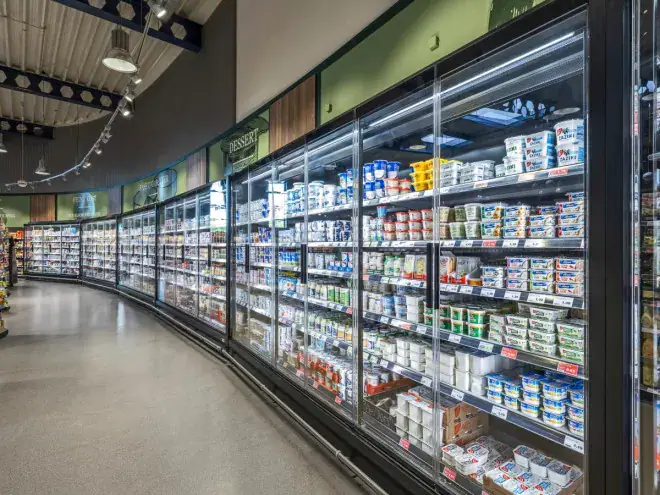
A wave of cyberattacks has disrupted supermarket refrigeration systems across seven European countries, resulting in significant food losses and operational disruptions. The attacks, which occurred on Sunday night and Monday morning, affected stores in Belgium, Sweden, Finland, Ireland, Estonia, Luxembourg, and the Netherlands. According to reports from reputable sources such as Reuters, The Guardian, and Euronews, hackers interfered with computer systems controlling supermarket refrigerators, causing temperatures to rise sharply.
The consequences of the cyberattacks were severe, with temperatures inside some cooling units reportedly rising to 50 degrees Celsius. This led to food safety concerns, prompting retailers to discard spoiled meat, milk, and other perishable products. Major supermarket operators, including Carrefour, Delhaize, Colruyt, ICA, Coop, and SuperValu, confirmed disruptions at several branches. The incidents caused significant food losses and disrupted refrigeration operations, although the exact value of discarded stock and the number of stores affected remain unclear.
This is not an isolated incident, as a similar cyberattack occurred in France on October 12, affecting hundreds of supermarkets. During that incident, temperatures inside some refrigerators also reached 50 degrees Celsius, causing food spoilage and fires at certain locations. The latest incidents have prompted cybersecurity agencies and police in the affected countries to launch investigations. Belgian authorities have opened a criminal inquiry to determine the cause and extent of the attacks.
Authorities have not publicly identified those responsible for the cyberattacks, and investigators have yet to establish whether the incidents across the different countries are connected. The lack of information has raised concerns about the vulnerability of critical infrastructure to cyber threats. As the investigation continues, retailers and consumers are advised to remain vigilant and take necessary precautions to prevent similar incidents in the future.
The economic impact of the cyberattacks is still being assessed, with no figures available on the value of discarded stock or the number of stores affected. However, it is clear that the incidents have caused significant disruptions to food supplies and retail operations. The incidents highlight the need for robust cybersecurity measures to protect critical infrastructure and prevent similar attacks in the future.
Cybersecurity agencies and law enforcement authorities are working together to investigate the cyberattacks and identify those responsible. The incident serves as a reminder of the importance of investing in robust cybersecurity measures to protect against increasingly sophisticated cyber threats. As the investigation continues, it is essential for retailers and other critical infrastructure operators to review their security protocols and take necessary precautions to prevent similar incidents.
The incidents have raised concerns about the resilience of critical infrastructure to cyber threats and the need for greater investment in cybersecurity measures. As the investigation into the cyberattacks continues, it is essential for retailers, regulators, and law enforcement agencies to work together to prevent similar incidents and protect the public from the consequences of cyberattacks.
Key points
- Hackers interfered with computer systems controlling supermarket refrigerators, causing temperatures to rise sharply.
- The cyberattacks caused significant food losses and disrupted refrigeration operations across seven European countries.
- Authorities have not publicly identified those responsible for the cyberattacks, and investigators are still working to establish whether the incidents are connected.