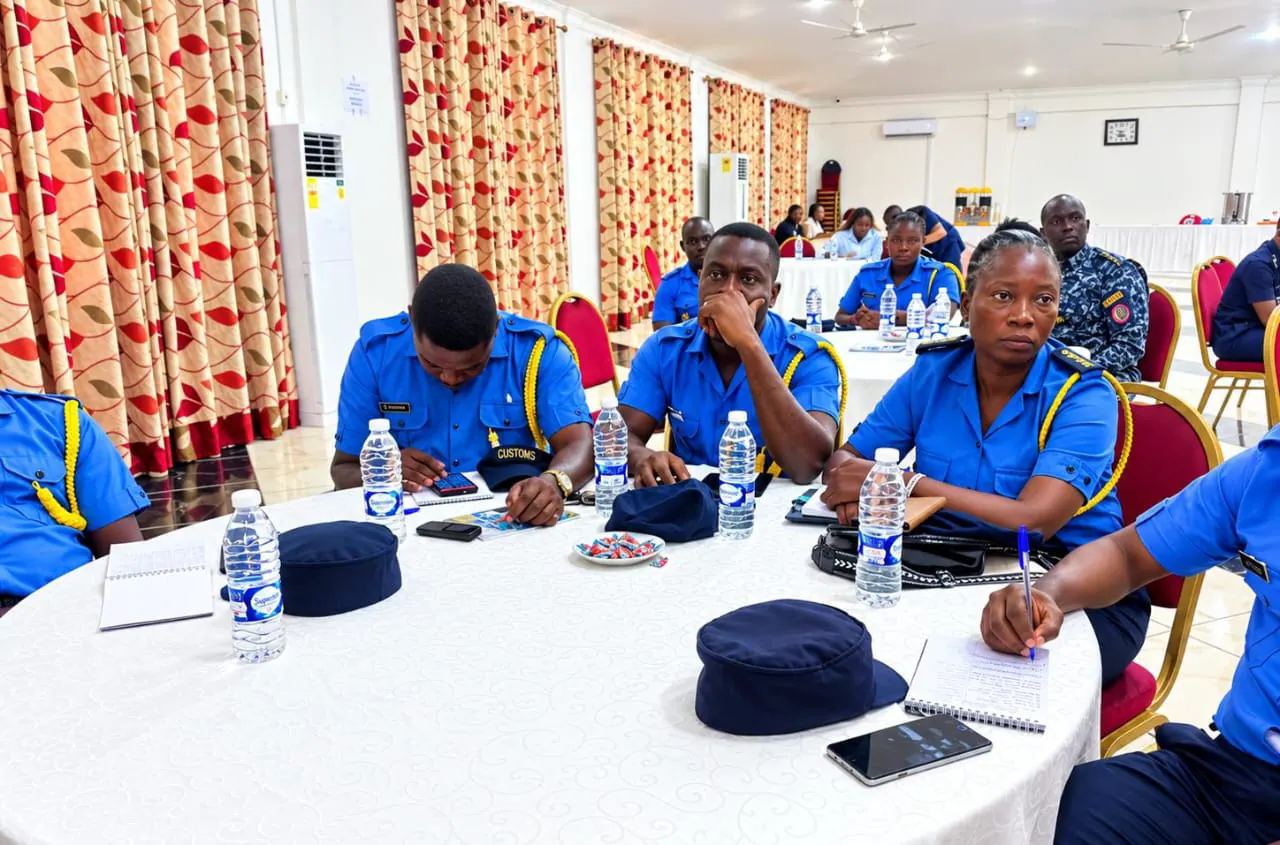
The Energy Commission, in collaboration with the United Nations Development Programme (UNDP) and the Clean Climate and Air Coalition (CCAC), has trained Customs officers on enforcing energy efficiency regulations at Ghana's borders. The training, held at the Skyplus Hotel in Ho, aimed to strengthen the capacity of officers of the Customs Division of the Ghana Revenue Authority (GRA) to identify and enforce minimum energy performance standards for electrical appliances imported into the country.
The training was designed to equip Customs officers with the knowledge and skills to scrutinise imported appliances and prevent those that failed to meet the required standards from entering the market. Mr Hubert Nsoh Zan, the Manager in charge of Energy Efficiency Regulation at the Energy Commission, said the regulations passed in 2022 were designed to ensure that consumers had access to quality, durable and energy-efficient electrical appliances.
Mr Zan emphasised that Customs officers had a critical role in enforcing the regulations, as they operated at the country's entry points and were strategically positioned to prevent substandard appliances from entering the market. He urged consumers to look for the Energy Commission's approved yellow energy-efficiency label when purchasing electrical appliances, which provided information on appliance energy consumption and potential electricity costs.
To ensure the authenticity of the energy-efficiency labels, the Commission had introduced QR codes on new labels to enable importers, Customs officers and consumers to verify their authenticity and help prevent the use of counterfeit labels. Mr Zan advised consumers to download the Certified Appliances App from the Google Play Store or iOS platforms to verify approved labels and obtain information on the energy performance of appliances.
Assistant Commissioner Nathaniel Baddoo, Ho Sector Commander of the Customs Division of the GRA, urged officers to apply the knowledge acquired from the training in their daily duties to protect consumers and the environment and contribute to efforts to address environmental degradation and climate-related challenges. He emphasised that Customs had an important responsibility to prevent appliances that failed to meet the required standards from entering the country.
Madam Akosua Aninakwa, the Project Officer at the UNDP, said the training formed part of a capacity-building programme being implemented in collaboration with the Energy Commission and the Environmental Protection Agency (EPA) to strengthen enforcement of energy efficiency regulations at border posts. The programme covered border locations from Takoradi through Aflao and Tema and was intended to strengthen enforcement while supporting Ghana's environmental objectives.
The training underscored the importance of collaboration among regulatory institutions in ensuring that imported electrical appliances met Ghana's energy efficiency requirements before reaching consumers. The programme aimed to promote informed purchasing decisions and contribute to energy conservation, ultimately protecting consumers from substandard appliances and promoting sustainable development.
Key points
- The Energy Commission trains Customs officers to enforce energy efficiency regulations at Ghana's borders.
- The training aims to prevent substandard electrical appliances from entering the market.
- Consumers are urged to look for the Energy Commission's approved yellow energy-efficiency label when purchasing electrical appliances.