Guinea, a country that gained independence on October 2, 1958, has utilized its rich cultural heritage as a tool for mobilization and awareness of its people. The country's first president, Ahmed Sékou Touré, and his party, the Democratic Party of Guinea (PDG-RDA), leveraged the diverse cultural landscape to promote national identity and development. This approach enabled Guinea to become a beacon of African culture, showcasing its unique blend of traditional and modern artistic expressions.
The Guinean flag, comprising three colors - red, yellow, and green - symbolizes the country's struggle for independence, its rich natural resources, and its lush vegetation. The national anthem, composed by Fodéba Keïta and Jacques Cellier, represents the nation's values of freedom and unity. Fodéba Keïta, a renowned politician, artist, and writer, played a pivotal role in shaping Guinea's cultural landscape. Born in 1921, he was a key figure in the country's early years, serving as a composer, choreographer, and poet.
During the first republic (1958-1984), the PDG-RDA implemented a cultural policy that celebrated Guinea's diversity, using it as a driving force for national development. The party's strategy, built on a pyramid structure, mobilized people from rural areas to the capital, promoting cultural expression and artistic innovation. This approach led to the creation of the National Festival of Arts and Culture, held every two years, which showcased various artistic disciplines, including music, dance, theater, and visual arts.
Guinea's cultural scene flourished under Sékou Touré's leadership, with iconic artists like Sory Kandia Kouyaté, known as the "Golden Voice of Africa," contributing to the country's international reputation. Born on August 25, 1937, Kouyaté was a pioneer of the cultural revolution, performing with the African Ballet and touring extensively across Africa and the world. His music and legacy continue to inspire generations of Guinean artists.
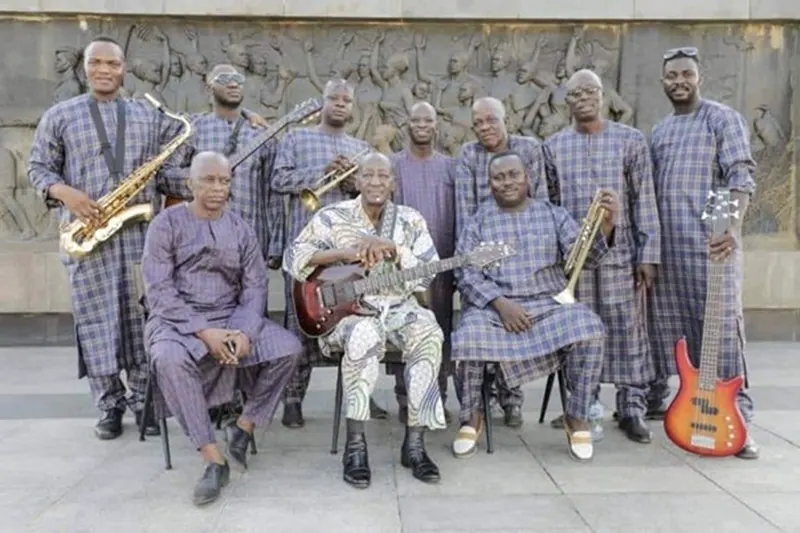
The Ensemble Instrumental de Guinée, also known as the Choral de la Voix de la Révolution, was established on January 4, 1961, under Kandia's direction. This ensemble played a crucial role in promoting Guinean music and culture, both domestically and internationally. The country's cultural policy during this period focused on authenticity, aiming to celebrate and preserve traditional music while fostering innovation and creativity.
The 1984 regime change marked a significant shift in Guinea's cultural landscape, with the introduction of liberal economic policies and increased freedom of expression. While this transition presented new opportunities for artists, it also led to the decline of state-owned cultural industries, such as film and music production. However, the emergence of a private and associative sector has revitalized the cultural scene, with a growing number of artists, producers, and managers making a name for themselves nationally and internationally.
Despite these developments, the current state of Guinea's cultural institutions, such as the African Ballet, raises concerns. The interim director, M'Mah Nana Cissé, appeals to the new authorities to preserve the country's cultural heritage, highlighting the importance of providing support and resources to maintain Guinea's rich cultural legacy. She emphasizes that the African Ballet, created by Fodéba Keïta in 1959, has been instrumental in promoting Guinean culture globally and contributing to the country's economy.
Key points
- Guinea's cultural heritage has played a vital role in its development and international recognition.
- The country's cultural policy during the first republic (1958-1984) focused on celebrating diversity and promoting national identity.
- The current state of Guinea's cultural institutions requires support and resources to preserve the country's rich cultural legacy.