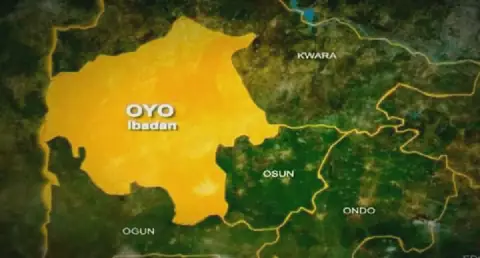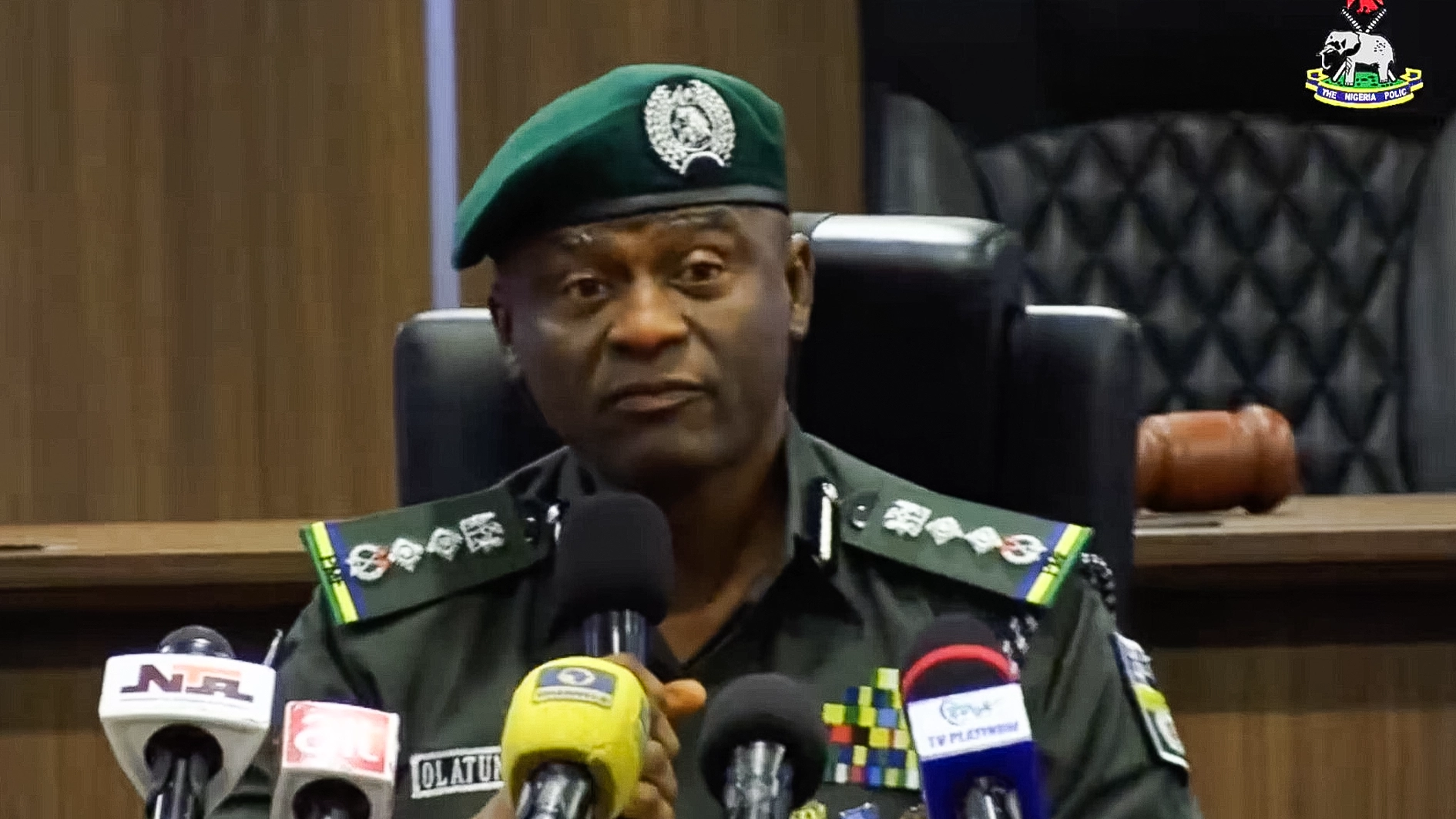
A troubling pattern of killings, cult-related violence, and clashes involving transport union factions has emerged in Osun State, Nigeria, following the August 15 governorship election. The violence has left the state grappling with a fresh security challenge, with concerns about the networks linking political mobilisation, transport unions, motor parks, cult groups, and other non-state actors. The Osun State Police Command has described the pockets of violence as "purely cult-related" and assured residents that security agencies are working to prevent further escalation.
The post-election incidents have brought back questions about the killings and attacks recorded before the August 15 election. The Police had earlier said more than 30 politically related killings were recorded before the poll, amid a series of violent incidents that heightened fears over the possibility of a bloody election. Although heavy security deployment and the eventual conduct of the election without widespread breakdown of order helped prevent a larger crisis, questions remain about the identity and motivation of some of the violent groups involved.
On August 19, a shooting incident occurred when Governor Ademola Adeleke's entourage, including his nephew and global hip-hop star, David Adeleke, visited the Ataoja of Osogbo, Oba Jimoh Olanipekun Oyetunji, at his palace in Oja Oba, Osogbo. The incident was followed by the killing of Olalekan Oyeyemi, a political appointee of the Adeleke administration, around Mayfair Motor Park, Ile-Ife. Oyeyemi's death intensified attention on the activities of transport associations and their alleged links with political interests.
The Police subsequently arrested four suspects in connection with the killing of two people at Naira and Kobo Junction, Ikire, in Irewole Local Government Area. The suspects were identified as Sikiru Ademola Adedeji, 21; Olalere Taiwo, 21; Olalere Ademola, 26; and Bankole Abiodun, 20. The Commissioner of Police, Ibrahim Zungura, said a police team responded to a distress call at the scene when one of the suspects allegedly snatched an AK-47 rifle from a policeman.
A former Director of the Department of State Services, DSS, and security expert, Akin Adeyi, believes the problem must be traced to its source. He said the patronage of thugs and criminals by politicians, and the benefits derived from such relationships, had become a major problem. Adeyi argued that the solution should include the recovery of illicit weapons from non-state actors, suggesting that a buy-back mechanism could be considered to encourage criminals to surrender illegal arms.
The Osun APC Director of Media and Information, Kola Olabisi, urged security agencies to take charge and rein in what he described as terror elements in the state. He, however, rejected any attempt to associate the APC with the post-election violence, arguing that the Ile-Ife incident was an internal crisis involving transport-union members with political leanings towards the Accord Party.
The challenge goes beyond identifying those responsible for individual killings; it is about confronting the networks that make violence possible, including illicit arms, cult groups, transport-union factions, political thugs, and other informal structures that can be mobilised when political, commercial, or personal interests collide. The political dimension has inevitably complicated efforts to address the violence, with politicians and transport-union networks suspected to be involved.
Key points
- The Osun State Police Command has described the pockets of violence as "purely cult-related" and assured residents that security agencies are working to prevent further escalation.
- More than 30 politically related killings were recorded before the August 15 election, amid a series of violent incidents that heightened fears over the possibility of a bloody election.
- Akin Adeyi suggested that a buy-back mechanism could be considered to encourage criminals to surrender illegal arms.