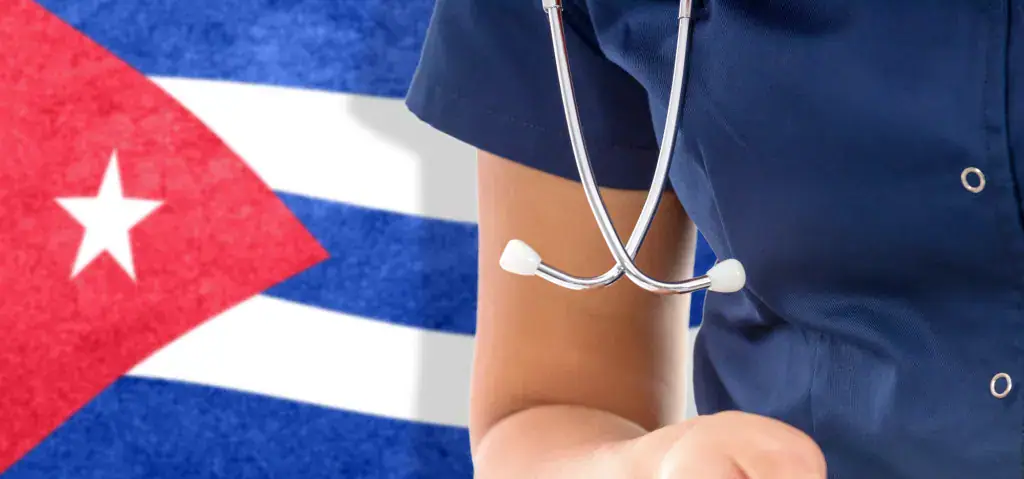
Cuban President Miguel Díaz-Canel recently met with World Health Organization (WHO) Director-General Tedros Adhanom Ghebreyesus in Havana to discuss the challenges facing Cuba's healthcare system. Díaz-Canel accused the United States of exacerbating these challenges through its economic blockade, which he described as a form of "imperialist policy". The blockade has resulted in significant shortages of essential medicines and equipment.
According to Díaz-Canel, over 67% of the basic medicines listed by the Cuban government are currently in short supply. This shortage has had a ripple effect on the healthcare system, with over 10,000 patients requiring radiology services being affected. The President also expressed concern about the increasing waiting lists for certain surgical procedures, which he attributed to the blockade and related energy shortages.
Díaz-Canel also raised concerns about the deterioration of various health indicators in Cuba, including an increase in infant mortality rates. He emphasized that the situation is dire and requires immediate attention from the international community. The Cuban President expressed appreciation for Tedros' statements on the impact of US restrictions on Cuba's healthcare system and called for strengthened cooperation between Cuba and the WHO.
During the meeting, Díaz-Canel and Tedros discussed potential areas of cooperation, including joint research initiatives and regional and global health programs. The Cuban President expressed his willingness to explore new forms of collaboration with the WHO to address the healthcare challenges facing his country. Tedros, who visited several Cuban healthcare centers and met with officials from the Ministry of Public Health, was briefed on the situation firsthand.
The US blockade on Cuba has been in place for several decades and has had a significant impact on the country's economy and healthcare system. The blockade restricts US companies from doing business with Cuba and limits the country's access to international markets. Díaz-Canel has repeatedly called for an end to the blockade, which he sees as a major obstacle to Cuba's development.
The meeting between Díaz-Canel and Tedros highlights the need for international cooperation to address the healthcare challenges facing Cuba. The WHO has a critical role to play in supporting countries facing similar challenges, and the organization's engagement with Cuba is seen as a positive step towards finding solutions to the country's healthcare problems.
The impact of the US blockade on Cuba's healthcare system is a pressing concern for the international community. The situation requires a concerted effort from governments, international organizations, and civil society to address the humanitarian crisis facing the Cuban people.
Key points
- The US blockade has resulted in significant shortages of essential medicines and equipment in Cuba.
- Over 67% of the basic medicines listed by the Cuban government are currently in short supply.
- The blockade has affected over 10,000 patients requiring radiology services and increased waiting lists for certain surgical procedures.
Reporting sources
- Presidente cubano queixa-se à OMS de impacto do bloqueio dos EUA na saúde · Expresso das Ilhas