Cuban Foreign Minister Bruno Rodríguez has rejected remarks by US President Donald Trump, who told the United Nations General Assembly that the communist-run island was a "failed state" and would eventually fall. Rodríguez accused Trump of spreading falsehoods and insisted on Cuba's right to remain an independent and sovereign country. In a statement, Rodríguez said the US government was incapable of accepting Cuba's sovereignty.
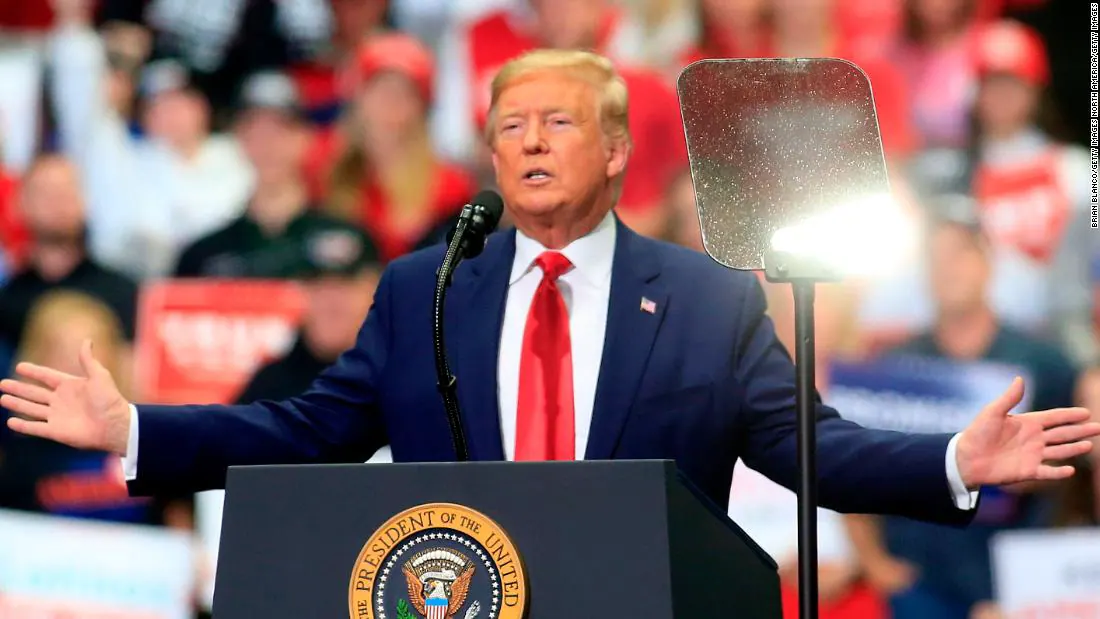
Trump made the comments during his address to the 81st UN General Assembly in New York on September 22, 2026. He described Cuba as an "absolutely failed state" and said it was "failing like never before" and "will fall." Trump also said that "freedom will be coming to Cuba" while defending his administration's pressure on Havana. The US administration has been seeking "a fundamental change" in the situation in Cuba.
Cuba's delegation walked out of the General Assembly hall during Trump's remarks, underscoring the strained relations between Washington and Havana. Cuban President Miguel Díaz-Canel separately criticized Trump's remarks, accusing the US president of portraying Cuba as a threat while defending US economic pressure against the island. The exchange has added another point of tension to the ongoing dispute between Washington and Havana.
The Trump administration has intensified pressure on the Cuban government through sanctions and restrictions. Cuba has continued to describe the US measures as harmful to its population, while Washington says its policy is intended to pressure the Cuban government to change course. The US policy has been a point of contention between the two countries for several years.
Rodríguez's statement was shared on X, and he added that Trump's comments at the UN could not change the reality of Cuba's sovereignty. Cuba has long maintained its independence and sovereignty, and the government has been critical of US attempts to influence its politics. The US and Cuba have had a complex relationship since the Cold War era.
The latest exchange between the US and Cuba comes amid increased tensions between the two countries. The Trump administration has taken a hardline stance on Cuba, and the Cuban government has responded with criticism of US policy. The situation has been closely watched by international observers, who are concerned about the impact of the tensions on the region.
The dispute between Washington and Havana has been ongoing for several years, with the US maintaining economic sanctions on Cuba and the Cuban government resisting US attempts to influence its politics. The situation remains a point of tension in the region, with both sides showing no signs of backing down. The international community has called for calm and dialogue between the two countries.
Key points
- Cuba's Foreign Minister Bruno Rodríguez rejected Trump's comments, accusing him of spreading falsehoods.
- Trump described Cuba as an "absolutely failed state" and said it "will fall."
- The exchange has added to the ongoing tensions between Washington and Havana.