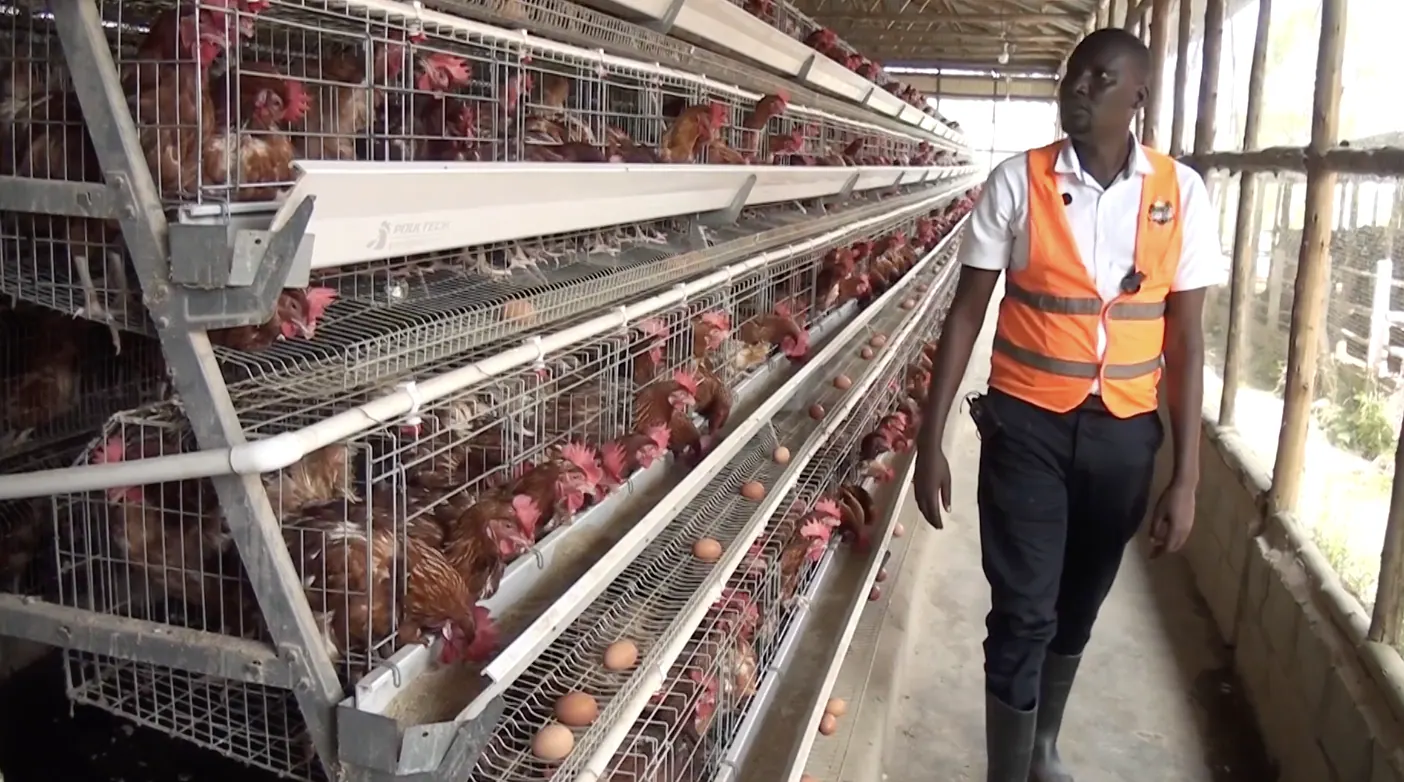
Rural communities in Lira City, Uganda, are turning to crossbreeding to improve animal breeds, boost milk and meat production, increase household incomes, and strengthen food security. This shift from traditional farming practices is leading to higher productivity and better livelihoods for families. Farmers report that crossbred animals produce more than indigenous breeds, providing a stronger return on investment and opportunities to expand their farms.
The growing interest in improved breeds is transforming Lira's agricultural landscape. Farmers are combining local knowledge with modern breeding practices to build more productive and resilient livestock enterprises. This development is significant for Uganda, where agriculture is a major sector of the economy and livestock production plays a crucial role in food security and household incomes.
According to farmers in Lira City, crossbred animals are outperforming indigenous breeds in terms of milk and meat production. This has enabled farmers to increase their household incomes and improve their overall well-being. The adoption of crossbreeding practices is also contributing to the growth of the livestock sector in Uganda, which is an important source of employment and income for many rural communities.
The Ugandan government has been promoting crossbreeding and improved animal husbandry practices to enhance livestock productivity and food security. The initiative is part of a broader effort to modernize agriculture and increase the country's agricultural output. By supporting farmers in adopting improved breeds and breeding practices, the government aims to boost the livestock sector and improve the livelihoods of rural communities.
Lira City is witnessing a quiet transformation as farmers adopt crossbreeding practices. The city's agricultural sector is benefiting from the growing interest in improved breeds, with many farmers reporting increased productivity and incomes. This development is expected to have a positive impact on the local economy and contribute to Uganda's overall economic growth.
The success of crossbreeding in Lira City has implications for Uganda's agricultural sector as a whole. The country's livestock sector has significant potential for growth, and the adoption of improved breeds and breeding practices can help to unlock this potential. By supporting farmers in adopting crossbreeding practices, the government and other stakeholders can help to boost livestock productivity, improve food security, and increase household incomes.
As the adoption of crossbreeding practices continues to grow in Lira City, farmers are optimistic about the future of their livestock enterprises. With the support of government and other stakeholders, they are confident that they can continue to improve their productivity and livelihoods. The transformation underway in Lira City is a positive development for Uganda's agricultural sector and has the potential to make a significant impact on the country's food security and economic growth.
Key points
- Crossbreeding is boosting livestock productivity and household incomes in Lira City, Uganda.
- The adoption of improved breeds and breeding practices is transforming Uganda's livestock sector.
- The Ugandan government's initiative to promote crossbreeding is contributing to the growth of the livestock sector and improving food security.