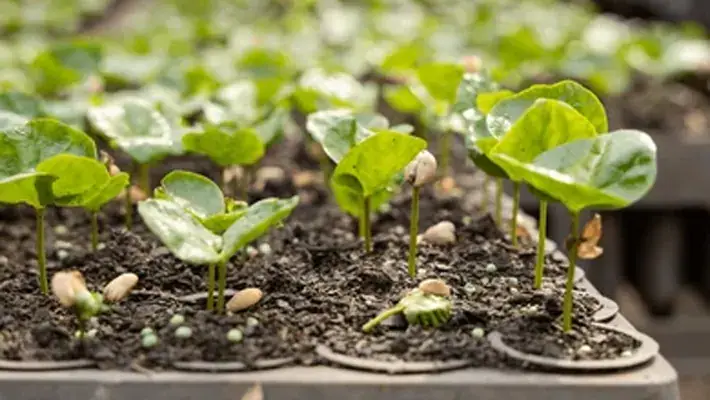
The Cross River state government has set ambitious targets for its coffee industry, aiming to produce 15,000 metric tonnes of coffee annually and plant 30 million coffee seedlings. This initiative is part of a broader plan to position Cross River as West Africa's leading coffee hub and expand Nigeria's participation in the global coffee market. Governor Bassey Otu announced these targets at the second Coffee Festival International Nigeria in Calabar.
According to Governor Otu, Cross River's agroecological advantages make it an ideal location for commercial coffee cultivation. The state's four agroecological zones, favourable rainfall, and arable land offer enormous opportunities for coffee production. Specifically, about 90 per cent of the state's arable land is lowland, making it suitable for Robusta coffee, while the highlands provide favourable conditions for cultivating Arabica.
The Cross River state government has developed a 2025–2032 Coffee Development Roadmap and launched the Coffee Revolution Programme in July 2025. As part of this programme, more than 800,000 subsidised Arabica and Robusta seedlings have been distributed to farmers, along with training for over 700 farmers and extension workers. Additionally, the government has introduced agricultural traceability systems and strengthened regulatory frameworks.
The government has also partnered with private sector stakeholders to establish 6,000 hectares of coffee plantations across Odukpani, Akamkpa, and Akpabuyo Local Government Areas. A delegation was sent to Uganda to study its coffee industry, and plans are underway to train young people in barista services and other downstream coffee operations to create employment opportunities.
The second edition of the Coffee Festival International Nigeria began on Friday and ended on Sunday, with the theme, ‘Sustainability: Building the Future of Coffee in Nigeria’. The festival provided a platform for stakeholders to discuss ways to promote coffee production, consumption, and investment in Nigeria. Blessing Tangtur, Chief Executive Officer of Lingzhi Global and festival originator, called for stronger government-private sector partnerships to accelerate coffee production.
According to Ms Tangtur, Nigeria's coffee consumption has increased from about two million to 12 million, attributing the growth to awareness and promotional activities. She also disclosed that more than five million coffee seedlings had been distributed to farmers in Cross River, expressing optimism that this would strengthen production, stimulate investment, and create employment opportunities.
However, Hassan Kakara, President of the National Coffee and Tea Association of Nigeria (NACOFTAN), warned that poor leadership, weak cooperative structures, and inadequate market opportunities had contributed to declining coffee production. He called for stronger industry coordination to address these challenges and ensure the growth of the coffee industry in Nigeria.
Key points
- Cross River state aims to produce 15,000 metric tonnes of coffee annually and plant 30 million coffee seedlings.
- The state government has developed a 2025–2032 Coffee Development Roadmap and launched the Coffee Revolution Programme in July 2025.
- The government has partnered with private sector stakeholders to establish 6,000 hectares of coffee plantations across three Local Government Areas.