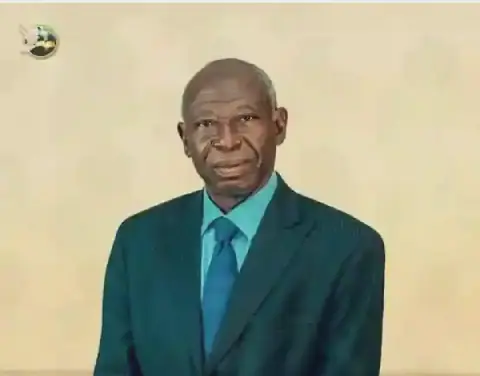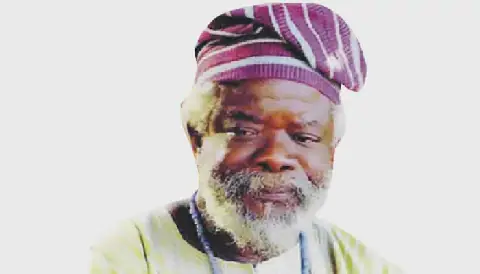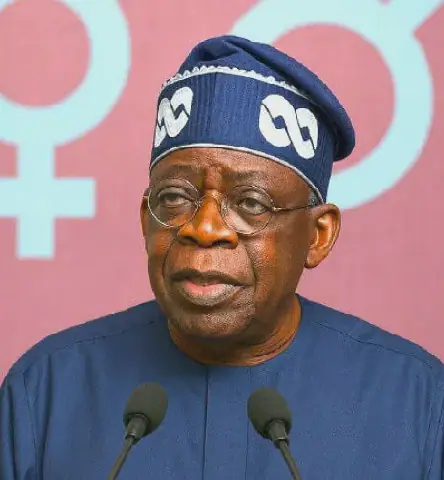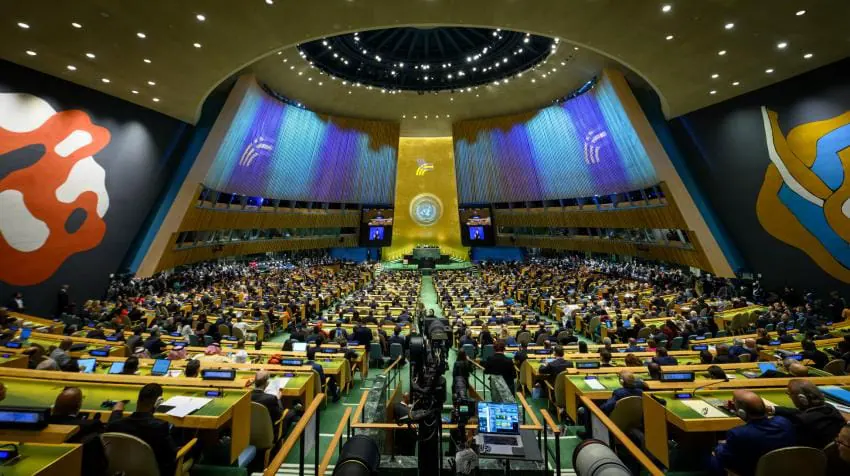
The 81st United Nations General Assembly recently took place, drawing nearly 150 world leaders to address pressing global issues. The event's theme, "Restoring Trust, Managing Transformation: A United Nations That Delivers for All," sparked crucial discussions on the body's effectiveness. Notably, Jordan's King Abdullah II bin Al-Hussein, Kenya's President William Ruto, and Nigeria's President Bola Tinubu delivered impactful speeches, questioning the United Nations' structure and its ability to address contemporary challenges.
The United Nations, established in 1945 to promote global unity and equity, has been criticized for its inability to effectively address pressing issues. The body's structure, with five permanent veto-wielding members, has been accused of perpetuating inequality. The influence of major financial contributors can undermine the organization's impartiality, with some arguing that this creates an uneven playing field. This raises questions about the United Nations' commitment to its founding principles and its ability to deliver for all member states.
A significant challenge facing the United Nations is its reliance on member states for funding and military support. Without its own army or independent financial base, the organization is often limited in its ability to act decisively. The gridlock among the five permanent members of the Security Council can further hinder the body's effectiveness. These limitations have contributed to perceptions of the United Nations as being toothless and ineffective in addressing critical issues.
The United Nations has faced criticism for its response to humanitarian crises and human rights abuses. The 1994 Rwandan genocide serves as a stark example of the organization's inaction. Despite warnings from its Force Commander, General Roméo Dallaire, the Secretariat failed to act decisively, and the Security Council voted to reduce the number of peacekeepers in the country. This costly decision resulted in over 800,000 deaths and has been cited as an example of the United Nations' institutional negligence.
The contemporary reality is that the rule of might often prevails over the rule of law in the United Nations. Resource-rich lands in Africa and other continents are frequently stripped of their natural resources, and their owners are drained of their human capital, persecuted, and exploited. This perpetuates chronic underdevelopment, with stolen commonwealth often stored in vaults in developed countries. The United Nations' tepid response to these imbalances has damaged its image and raised questions about its commitment to its founding principles.
The speeches delivered by King Abdullah II bin Al-Hussein, President William Ruto, and President Bola Tinubu emphasized the need for reform and restructuring of the United Nations. Their observations are expected to shape the debate on remodeling the organization's obsolete structure. As the global body moves forward, it must address its limitations and inefficiencies to effectively address pressing global challenges and deliver for all member states.
Ultimately, the United Nations must confront its shortcomings and strive to become a more effective and equitable global institution. By acknowledging its limitations and addressing the criticisms raised by its member states, the organization can work towards restoring trust and delivering on its mandate. This will require a concerted effort from all stakeholders, including member states, to ensure that the United Nations is equipped to address the complex challenges of the 21st century.
Key points
- The United Nations' effectiveness is hindered by its reliance on member states for funding and military support.
- The organization's response to humanitarian crises and human rights abuses has been criticized, with the 1994 Rwandan genocide serving as a stark example of inaction.
- The United Nations' structure, with five permanent veto-wielding members, has been accused of perpetuating inequality and undermining the organization's impartiality.