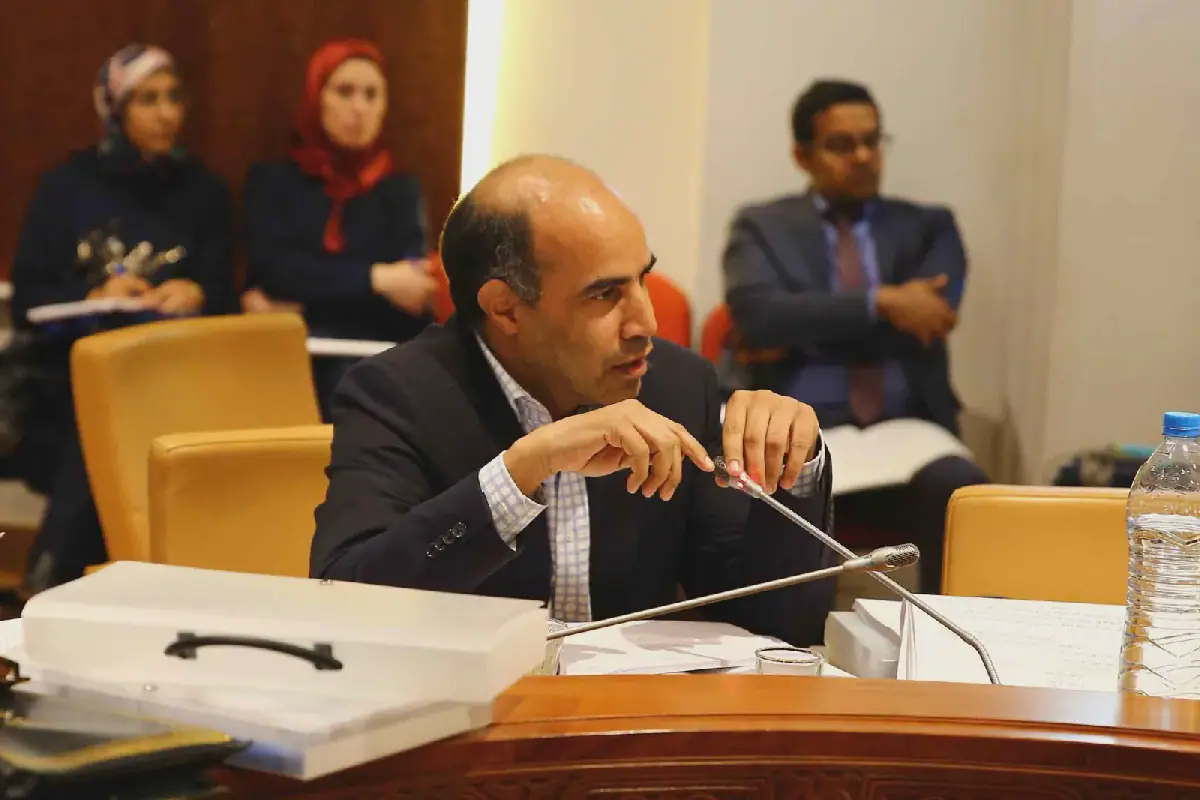
Moroccan politician Hamad Zaid has publicly criticized the Authenticity and Modernity Party, led by Hicham Sabri, for its lack of literary culture. Zaid argues that the party's focus on market-driven policies and profitability has led to a neglect of arts, literature, and human sciences. This approach, Zaid claims, is reflected in the party's policies, which prioritize economic gain over cultural development.
According to Zaid, Sabri's views on education and employment are emblematic of the party's priorities. Sabri has stated that certain fields of study, such as literature and human sciences, are not economically viable and should be scaled back or eliminated. Zaid counters that this approach neglects the value of these fields in shaping individual freedom and autonomy. He argues that a well-rounded education, including literary and cultural studies, is essential for personal growth and development.
Zaid also criticized Sabri for his perceived hypocrisy. While Sabri advocates for a market-driven approach to education and employment, his own party has benefited from government support and funding. Zaid suggests that Sabri's views are self-serving and designed to maintain the party's grip on power. This criticism highlights the challenges facing Morocco's political landscape, where parties often prioritize short-term gains over long-term development.
The Authenticity and Modernity Party has faced criticism for its handling of various issues, including corruption and governance. Zaid's comments add to the growing scrutiny of the party's policies and priorities. As Morocco continues to navigate its democratic transition, the role of literary culture and education in shaping the country's future is likely to remain a contentious issue.
Zaid's criticism of Sabri and the Authenticity and Modernity Party reflects a broader debate about the role of culture and education in Moroccan society. While some argue that economic development should be the primary focus, others believe that a strong cultural foundation is essential for sustainable growth and progress. This debate is likely to continue, with implications for Morocco's future development and prosperity.
The controversy surrounding Sabri's views on education and employment has sparked a national conversation about the value of literary culture and the role of education in shaping Moroccan society. As the country continues to evolve, it is clear that the intersection of culture, education, and politics will remain a critical area of discussion and debate.
The implications of Zaid's criticism and the broader debate about culture and education in Morocco are far-reaching. As the country looks to the future, it is clear that a balanced approach to development, one that prioritizes both economic growth and cultural development, will be essential for achieving long-term success and prosperity.
Key points
- Hamad Zaid criticizes the Authenticity and Modernity Party for neglecting literary culture and prioritizing market-driven policies.