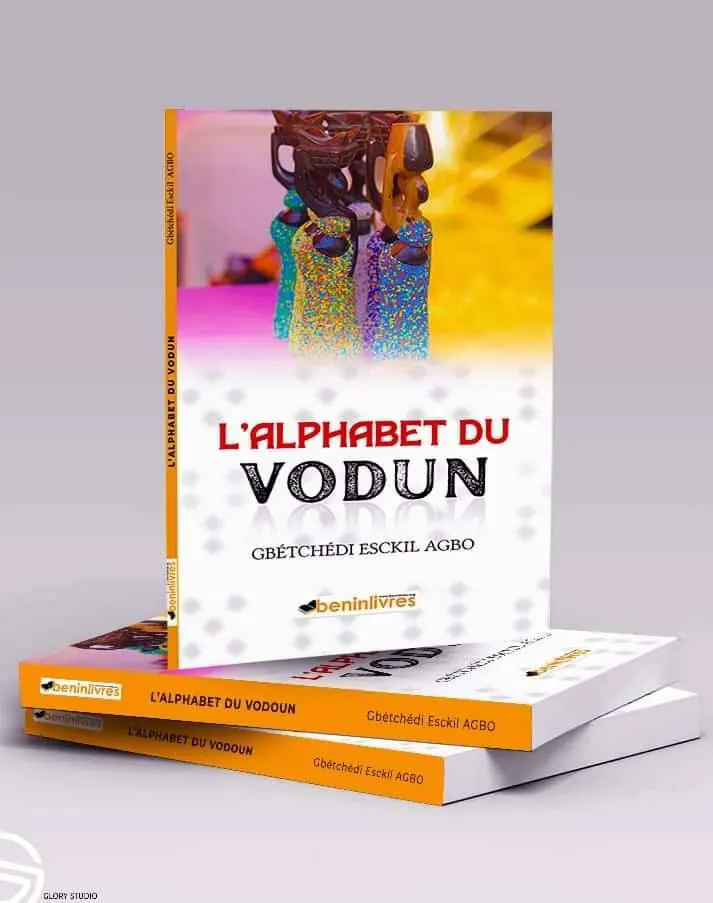
L'Alphabet du Vodun, a theatrical piece published in November 2024 by Béninlivres, has sparked significant interest in Benin's literary scene. Written by Esckil Agbo, a teacher, cultural journalist, and literary promoter, the work explores the intricacies of Vodun and its role in shaping African identity. As the continent experiences a resurgence of interest in its cultural heritage, Agbo's piece offers a timely and thought-provoking examination of tradition and its significance.
The play's plot revolves around a contentious dispute between Fadonougbo Dansi, an evangelical pastor, and Sossa Adan, a Vodun priest. The pastor accuses Sossa Adan of using a swarm of bees to attack him and his congregation, leading to injuries and property damage. However, as the trial unfolds, it becomes clear that the issue runs deeper, with Sossa Adan arguing that the true conflict lies in the pastor's refusal to respect the noise levels during his nighttime ceremonies.
Through Sossa Adan's defense, Agbo attempts to deconstruct the stereotypes and prejudices surrounding Vodun, presenting it as a practice rooted in benevolence. The author suggests that any negative aspects of Vodun are the result of human perversion rather than an inherent flaw in the tradition itself. However, this portrayal is contrasted with vivid descriptions of Vodun's darker aspects, including its historical association with slave trade and violent revenge.
The play's structure and characters have been praised for their originality and mastery. The use of a trial format, with its attendant dramatic tension, adds to the work's impact. However, some aspects of the narrative, such as the sudden conversion of the pastor, feel rushed and contrived. The reader is left wondering whether this transformation is a genuine result of Sossa Adan's words or a convenient plot device.
Agbo's work is set against the backdrop of a renewed interest in African identity and cultural heritage. As the continent grapples with its complex past and seeks to redefine its place in the world, L'Alphabet du Vodun offers a nuanced exploration of tradition and its role in shaping individual and collective identity. While the play raises more questions than it answers, it is a valuable contribution to the ongoing conversation about African culture and its significance.
The author's attempt to rehabilitate Vodun and present it in a positive light is a commendable effort, but it also raises questions about the need for critical distance and nuance. By acknowledging the complexities and contradictions of Vodun, Agbo can create a more richly textured and realistic portrayal of this multifaceted tradition. Ultimately, L'Alphabet du Vodun is a thought-provoking work that challenges its audience to engage with the intricacies of African identity and cultural heritage.
As Benin and the wider African continent continue to navigate the challenges of modernity and cultural preservation, works like L'Alphabet du Vodun are essential for fostering a deeper understanding of the region's rich cultural heritage. By exploring the complexities of Vodun and its role in shaping identity, Agbo's play offers a valuable contribution to the ongoing conversation about African culture and its significance in the modern world.
Key points
- The play explores the complexities of Vodun and its role in shaping African identity.
- The author attempts to deconstruct stereotypes surrounding Vodun, presenting it as a benevolent practice.
- The work raises questions about the need for critical distance and nuance in portraying complex cultural traditions.