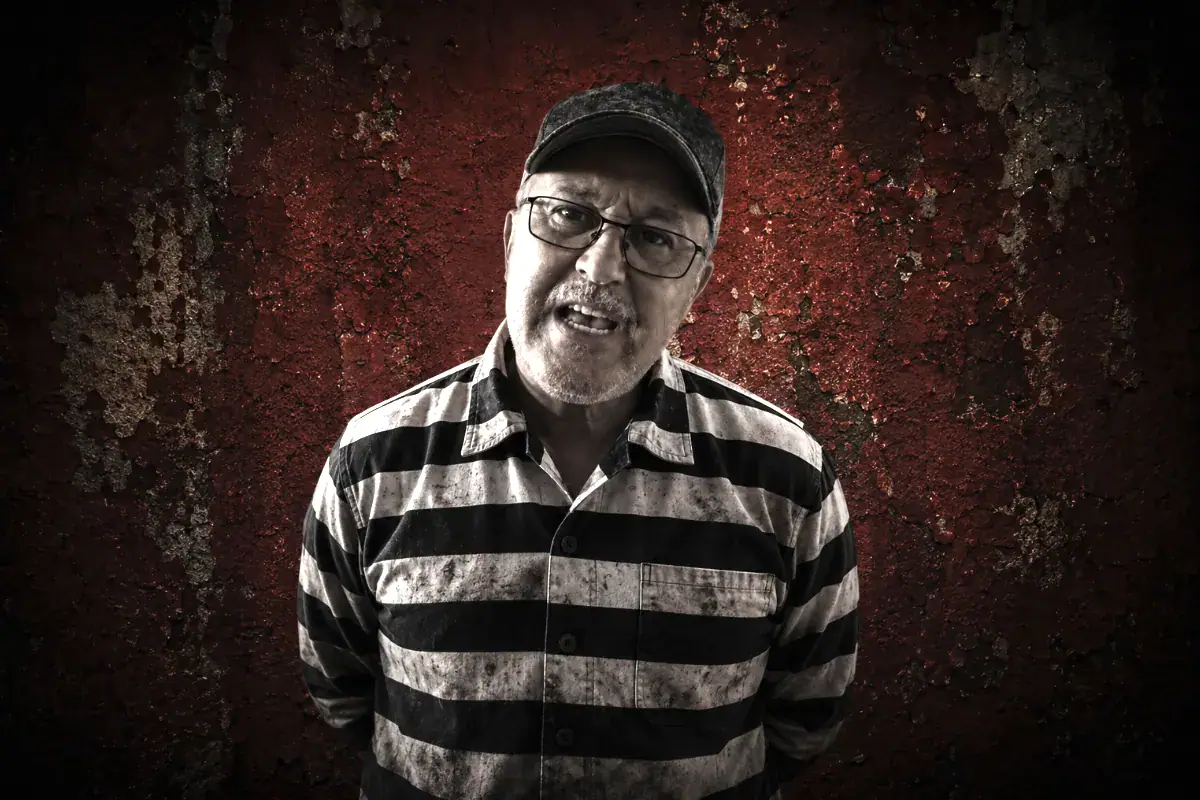
The phenomenon of digital influencers has become a significant factor in shaping public opinion in Morocco. Individuals with large followings on social media have emerged as key players in directing the country's internal politics. One such figure is Hicham Gerando, a fugitive who has been accused of crimes in Morocco and has taken to social media to promote his views on the country's politics. Despite living abroad, Gerando has positioned himself as a guardian of collective awareness, distributing political absolution and determining which parties are "corrupt" and which are "redemptive."
Gerando's actions have sparked controversy, with many questioning his credibility and motives. His "schizophrenia of political participation" is particularly striking, as he calls for people to vote for a specific party while not exercising his own right to vote. This hypocrisy has led to accusations of opportunism and a desire to exploit the electoral process for personal gain. Furthermore, Gerando's claims of being a Canadian citizen and flaunting his foreign passport have raised questions about his loyalty to Morocco and his right to comment on its politics.
Another paradox surrounding Gerando is his attempt to dictate to Moroccans which party to support. As someone who has fled Morocco to avoid justice, Gerando's actions are seen as an affront to the country's democratic processes. His history of scams, fraud, and espionage has also been highlighted, casting doubt on his credibility as a political commentator. Moreover, revelations about his involvement in organized crime and his use of social media to extort money from his followers have further eroded his reputation.
The issue of digital influencers like Gerando has sparked a broader debate about the role of social media in Moroccan politics. While some argue that these platforms provide a valuable space for citizens to engage with politics, others see them as a threat to the country's democratic institutions. The fact that Gerando and others like him can reach large audiences and shape public opinion without being held accountable has raised concerns about the impact of digital actors on the country's politics.
The case of Gerando has also highlighted the need for greater regulation of social media in Morocco. With the proliferation of digital influencers and the ease with which they can spread misinformation, there is a growing recognition of the need for measures to prevent the manipulation of public opinion. This has led to calls for greater transparency and accountability in online political discourse, as well as more effective mechanisms for regulating digital content.
In a related development, the French judiciary has ordered the trial of Moroccan soccer player Achraf Hakimi on charges of rape. The decision was made after the Court of Cassation rejected Hakimi's appeal against the charges. The case has sparked widespread media attention and has raised questions about the accountability of public figures in Morocco and abroad.
The controversy surrounding Gerando and Hakimi has highlighted the complexities of navigating politics and justice in Morocco. As the country prepares for upcoming elections, these cases serve as a reminder of the need for greater transparency, accountability, and critical thinking in public discourse. Ultimately, it is up to Moroccans to evaluate their own reality and choose their representatives, rather than relying on external voices or digital influencers.
Key points
- The influence of digital actors on Moroccan politics has sparked controversy and raised questions about their credibility and motives.
- The case of Hicham Gerando has highlighted the need for greater regulation of social media in Morocco to prevent the manipulation of public opinion.
- The trial of Achraf Hakimi on charges of rape has sparked widespread media attention and raised questions about the accountability of public figures in Morocco and abroad.
Reporting sources
- وهم الخلاص المستورد: عندما يُنظِّر جيراندو لواقع لا يعيشه · Al Ahdath Al Maghribia