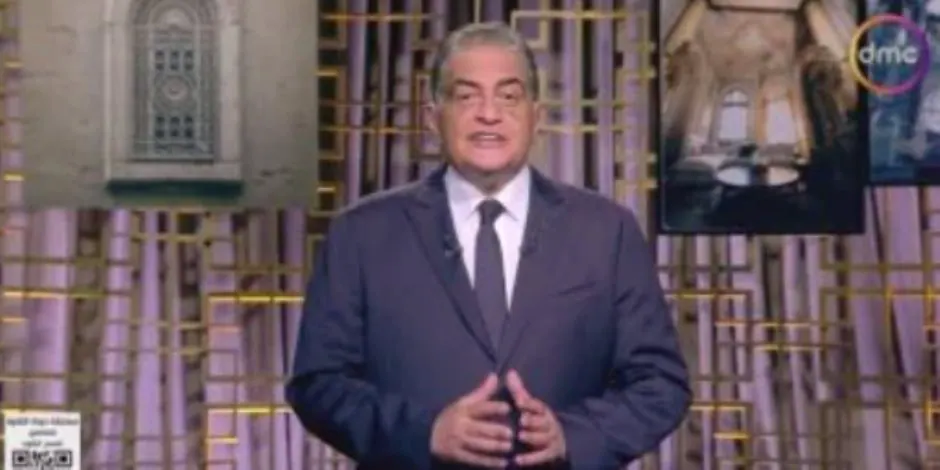
Egyptian media personality Osama Kamal has criticized the United States for its long history of military interventions outside its borders. On October 8, 2026, Kamal stated that the US has a track record of military interventions and dominance abroad, while presenting itself as a proponent of global peace and stability. This criticism comes as the US continues to be involved in various military conflicts around the world.
Kamal's comments referenced the 2009 Nobel Peace Prize awarded to former US President Barack Obama, just months into his presidency. Obama's win sparked questions about the timing and motivations behind the award, particularly given his subsequent decision to send 30,000 troops to Afghanistan. Kamal's remarks highlighted the seeming contradictions between the US's professed commitment to peace and its actions on the global stage.
The media personality also touched on the 1973 Nobel Peace Prize, which was awarded to former US Secretary of State Henry Kissinger and Vietnamese diplomat Le Duc Tho. The award was given for their efforts to negotiate a ceasefire in Vietnam, but it was met with controversy due to Kissinger's role in the US's involvement in the Vietnam War. Le Duc Tho ultimately declined the award, citing the fact that true peace had not been achieved in Vietnam.
Kamal's criticism of US foreign policy also extended to the administration of former President Donald Trump. Trump faced scrutiny for his comments suggesting that he deserved the Nobel Peace Prize, despite the US's continued involvement in various military conflicts. Kamal pointed to Trump's stance on the Gaza conflict and his relationship with Israeli Prime Minister Benjamin Netanyahu, as well as the ongoing tensions between the US, Israel, and Iran.
The US's involvement in the conflict between Israel and Iran has been a point of contention, with reports indicating that the conflict has entered its eighth month. Kamal's comments come as the US continues to navigate complex relationships with various countries in the Middle East. The region has been a focal point of US foreign policy in recent years, with the US seeking to balance its interests and maintain stability.
Kamal's statements reflect broader criticisms of US foreign policy and its implications for global peace and stability. The US has faced accusations of hypocrisy in its pursuit of peace, given its continued involvement in military conflicts abroad. These criticisms have been levied by various countries and international organizations, which have called for greater transparency and accountability in US foreign policy.
The debate surrounding US foreign policy and the Nobel Peace Prize is likely to continue, with various stakeholders weighing in on the issue. As the US continues to navigate complex global relationships, its actions and motivations will remain under scrutiny. The criticisms levied by Kamal and others highlight the need for greater nuance and understanding in discussions of US foreign policy and its implications for global peace and stability.
Key points
- US foreign policy has been criticized for its military interventions abroad
- The Nobel Peace Prize has been awarded to US leaders despite their involvement in military conflicts
- Critics argue that the US's pursuit of peace is often at odds with its actions on the global stage