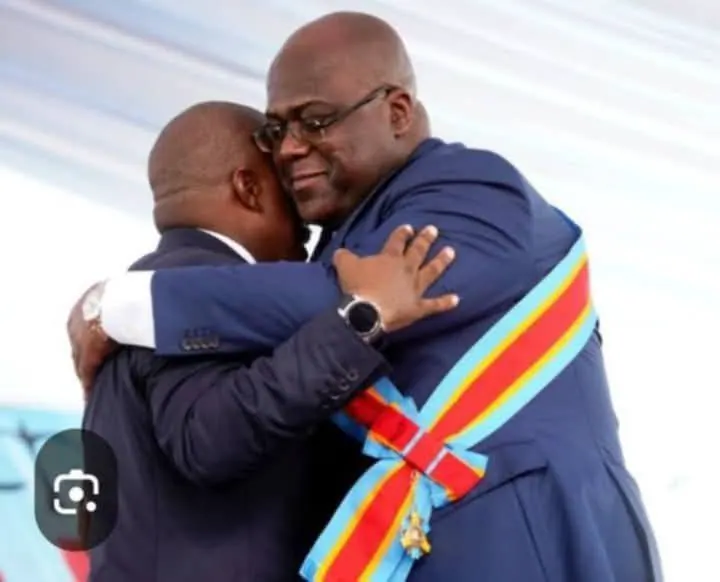
The political landscape in the Democratic Republic of Congo has been marred by controversy and criticism against President Joseph Kabila. Recently, Kabila made a speech that has sparked widespread debate and concern among citizens and opposition leaders. Critics argue that Kabila's actions and rhetoric are aimed at consolidating his power rather than seeking solutions for the country's problems.
According to critics, Kabila's presidency has been marked by authoritarian tendencies and a disregard for democratic norms. His speech on October 9, 2026, has been seen as an attempt to intimidate and undermine his opponents, particularly his successor, Félix Tshisekedi. Kabila's supporters, however, argue that he is working to stabilize the country and promote national unity.
The Democratic Republic of Congo has faced significant challenges in recent years, including economic hardship, insecurity, and allegations of corruption. Many citizens have expressed frustration with the government's inability to address these issues effectively. Critics argue that Kabila's focus on maintaining his influence and power has hindered progress and exacerbated the country's problems.
Kabila's presidency has been marked by controversy, including allegations of corruption and human rights abuses. In 2018, he delayed presidential elections, leading to widespread protests and international condemnation. The country's electoral commission ultimately announced that Tshisekedi had won the presidential election, but many observers questioned the legitimacy of the process.
Tshisekedi's presidency has also been marked by controversy, including allegations of corruption and authoritarianism. Critics argue that he has failed to address the country's pressing issues and has instead focused on consolidating his power. The rivalry between Kabila and Tshisekedi has further complicated the country's politics and raised concerns about the stability of the region.
The international community has expressed concern about the situation in the Democratic Republic of Congo. The United States has imposed sanctions on Kabila and several other high-ranking officials, citing human rights abuses and corruption. The African Union and other regional organizations have also called for calm and urged the government to prioritize the country's stability and development.
As the situation in the Democratic Republic of Congo continues to unfold, many citizens are calling for greater transparency and accountability from their leaders. The country's future remains uncertain, with many observers watching closely to see how the rivalry between Kabila and Tshisekedi will play out and what implications it will have for the region.
Key points
- Critics accuse Joseph Kabila of seeking to consolidate power in the Democratic Republic of Congo.