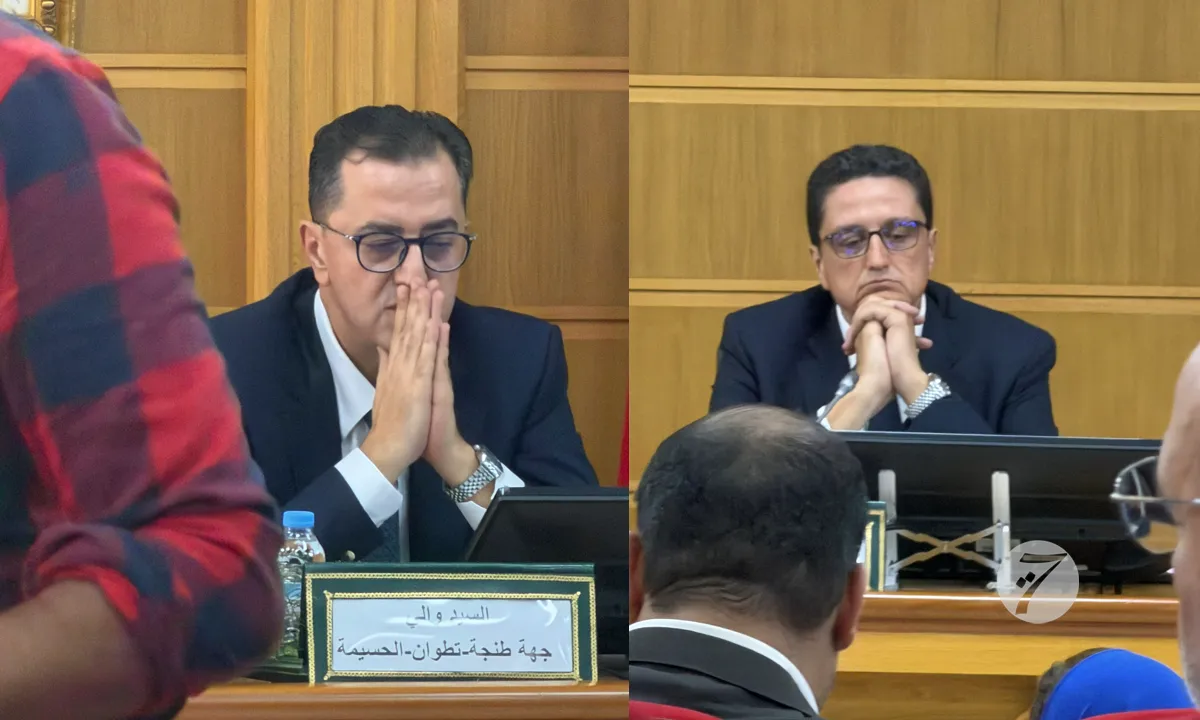
The regional council of Tangier-Tetouan-Al Hoceima has expressed deep concerns over the performance of the Regional Agency for Project Implementation. At its ordinary session on October 5, 2026, the council reviewed the agency's performance and found significant delays in project implementation and contract breaches. The agency's management attributed the issues to contractors, but this explanation did not satisfy the attendees, including the region's governor, Younes Tazi.
The agency, which is set to be transformed into a public limited company, is responsible for implementing projects on behalf of the regional council, including infrastructure development and social sector support. With the current mandate expiring in 2027, any further delays will have significant consequences. The council's evaluation revealed that several projects were progressing slowly, and some had not been completed, with repeated breaches of contractual deadlines.
Governor Tazi, who was present at the session, expressed his dissatisfaction with the agency's performance. This is not the first time Tazi has criticized the agency; in July 2025, he accused it of having "serious shortcomings" and implementing projects not approved by the council. Tazi emphasized that the agency's actions were not in line with the council's priorities and called for immediate corrective action.
The agency's management attributed the delays to contractors, but council members argued that this explanation was not sufficient. As the project owner, the agency is responsible for monitoring progress, enforcing guarantees, and imposing penalties for non-compliance. Critics argue that the agency's attempts to shift blame to contractors indicate a lack of effective oversight.
The controversy surrounding the agency's performance has been ongoing. In July 2025, Tazi warned that the agency's actions were "unacceptable" and that those responsible for delays should be held accountable. The governor's comments were seen as a clear warning to the agency's management. Despite this, the agency's performance has not improved significantly.
The planned transformation of the agency into a public limited company may bring about changes, but it will not erase the current performance record. The new law aims to accelerate project implementation and attract new talent. However, the agency's existing projects and contracts will be transferred to the new entity, which will have to address the current shortcomings.
The October session can be seen as a final warning to the agency's management. The council's concerns and the governor's criticism highlight the need for immediate action to address the agency's performance issues. The transformation into a public limited company may offer new opportunities, but it also underscores the importance of accountability and effective project management.
Key points
- The Regional Agency for Project Implementation faces criticism for slow progress and contract breaches.
- Governor Younes Tazi expressed dissatisfaction with the agency's performance, citing "serious shortcomings".
- The agency is set to be transformed into a public limited company to accelerate project implementation and attract new talent.