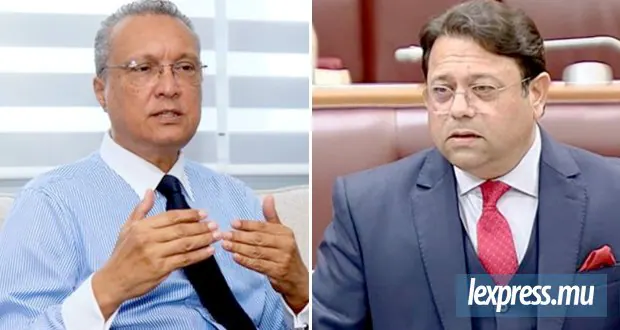
The water crisis in Mauritius has reached a critical point, with the Central Water Authority (CWA) struggling to provide a reliable water supply to the population. The crisis has sparked a heated debate, with Minister Patrick Assirvaden and Deputy Khushal Lobine at odds over the issue. Lindsay Rivière, a veteran journalist and political observer, believes that the confrontation between the minister and the deputy is a symptom of a larger problem - the government's inability to effectively manage the water crisis.
Rivière argues that Deputy Khushal Lobine is simply doing his job by raising concerns about the water crisis and holding the government accountable. He believes that the deputy has a responsibility to his constituents to bring attention to the issue and push for solutions. However, the government's reaction to Lobine's criticism has been to lash out, with Minister Assirvaden taking a confrontational approach. Rivière believes that this approach is misguided and that the government should be working to address the concerns of its citizens, rather than attacking those who raise them.
The water crisis in Mauritius is not a new issue, with problems dating back decades. Rivière points out that the CWA has been plagued by inefficiencies, including a significant loss of water due to leaks and other issues. He estimates that around 62% of the water produced by the CWA is lost before it reaches consumers, a staggering waste of a precious resource. This has significant implications for the country's water security and highlights the need for urgent action to address the issue.
Rivière believes that the government needs to take a more proactive approach to addressing the water crisis, including investing in new infrastructure and exploring partnerships with international operators. He argues that this does not necessarily mean privatizing the water service, but rather finding ways to improve efficiency and effectiveness. This could involve working with private sector companies to bring in new expertise and technologies.
The government's communication on the water crisis has also come under criticism, with Rivière calling for more transparency and accountability. He believes that Prime Minister Navin Ramgoolam needs to take a more active role in addressing the crisis, including providing regular updates to the public on the situation and the steps being taken to address it. This would help to build trust and confidence in the government's ability to manage the crisis.
Lindsay Rivière's comments highlight the need for a more effective and sustainable approach to managing Mauritius' water resources. The crisis has significant implications for the country's economic and social development, and it is clear that more needs to be done to address the issue. The government must take a proactive and collaborative approach to finding solutions, including working with stakeholders and exploring new partnerships and technologies.
Ultimately, the water crisis in Mauritius is a test of the government's ability to respond to the needs of its citizens. Rivière's comments serve as a reminder that the government has a responsibility to provide essential services, including water and electricity. The crisis highlights the need for a more effective and sustainable approach to managing the country's water resources, and it is clear that more needs to be done to address the issue.
Key points
- The water crisis in Mauritius has sparked a heated debate, with criticisms of government inaction and ineffective management by the Central Water Authority.
- The crisis has significant implications for the country's economic and social development, and it is clear that more needs to be done to address the issue.
- Lindsay Rivière's comments highlight the need for a more effective and sustainable approach to managing Mauritius' water resources.