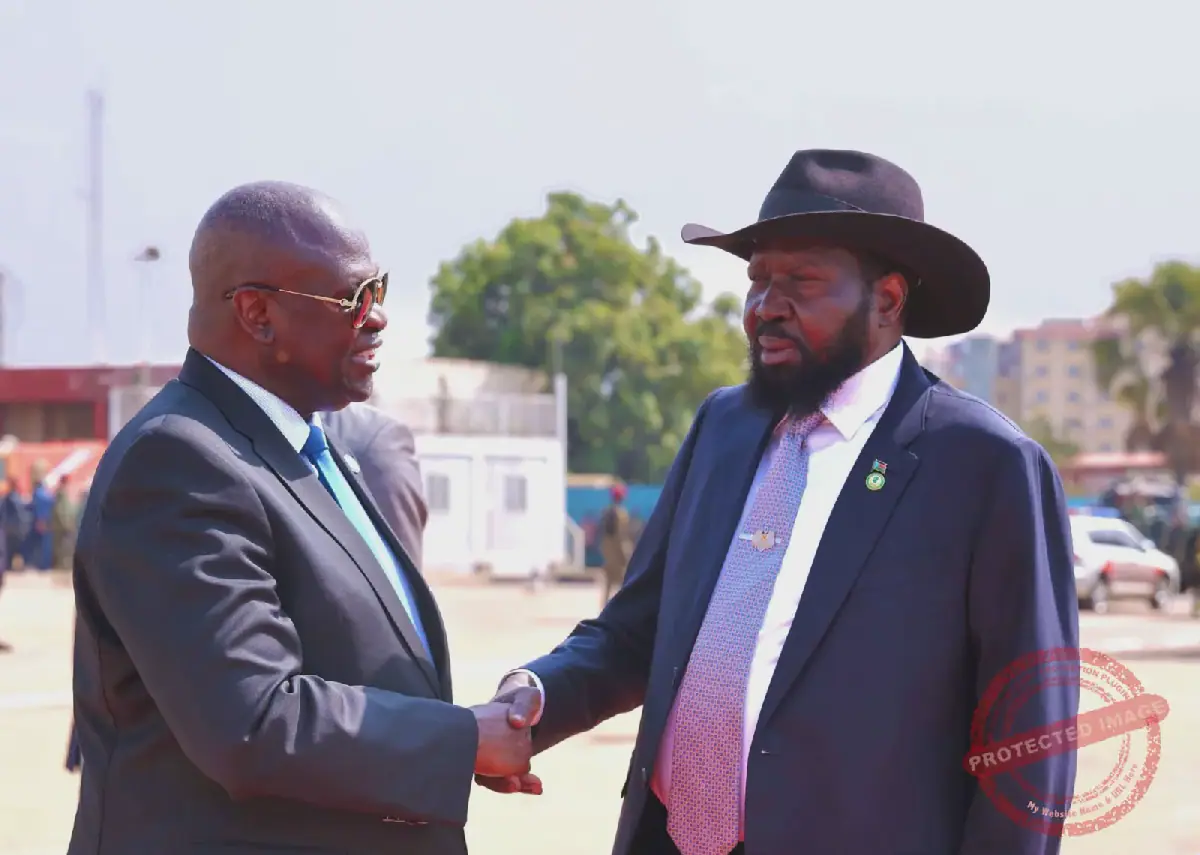
The International Crisis Group has urged key African countries to strengthen their support for efforts by the African Union to resolve South Sudan's deepening political and security crisis. In a report released recently, the organisation called on African Union Envoy for the Horn of Africa and the Red Sea, Jakaya Kikwete, to engage President Salva Kiir on several key issues. Kikwete's efforts aim to address the country's ongoing challenges. The Crisis Group's report highlights the need for a coordinated approach to resolve the crisis.
The Crisis Group recommends that Kikwete persuade President Kiir to drop charges against detained opposition leader Dr. Riek Machar, postpone planned elections, and secure a nationwide cessation of hostilities. The organisation also suggests that Kikwete facilitate a new political dialogue involving Machar and other opposition leaders to discuss the country's political future. This dialogue is crucial in addressing the country's challenges and finding a lasting solution. The report emphasises the importance of African countries supporting Kikwete's efforts.
According to the report, access to Machar remains a major obstacle to mediation, as the government has prevented several international envoys from meeting the detained opposition leader. Resolving the political impasse surrounding Machar is important to reducing tensions and preventing further escalation of the conflict. The organisation warns that holding elections without political consensus, adequate preparations, and meaningful opposition participation could deepen instability and undermine the 2018 peace agreement.
The Crisis Group calls on regional leaders to support a coordinated African-led mediation process instead of pursuing separate diplomatic initiatives. The organisation suggests that South Africa, Uganda, Kenya, and Ethiopia should coordinate diplomatic efforts to bring the government and opposition back to negotiations. A unified approach is necessary to address the complexities of the crisis and find a lasting solution.
Kikwete, a former Tanzanian president, was appointed by the African Union to coordinate mediation efforts aimed at resolving South Sudan's political crisis. His role is crucial in bringing the parties together and finding a peaceful resolution. The Crisis Group's report highlights the need for African countries to support Kikwete's efforts and work towards a coordinated solution.
The report also emphasises the importance of addressing the humanitarian situation in South Sudan. The ongoing conflict has resulted in significant humanitarian needs, and a peaceful resolution is necessary to address these challenges. The Crisis Group's recommendations aim to support a peaceful and sustainable resolution to the crisis.
The International Crisis Group's report provides a comprehensive analysis of the crisis in South Sudan and offers recommendations for a way forward. The organisation's efforts aim to support a peaceful and sustainable resolution to the crisis. Key African countries must work together to support Kikwete's efforts and address the challenges facing South Sudan.
Key points
- Crisis Group urges African countries to support AU efforts to resolve South Sudan's crisis
- Kikwete to facilitate new political dialogue involving Machar and other opposition leaders
- Coordinated African-led mediation process necessary to address crisis