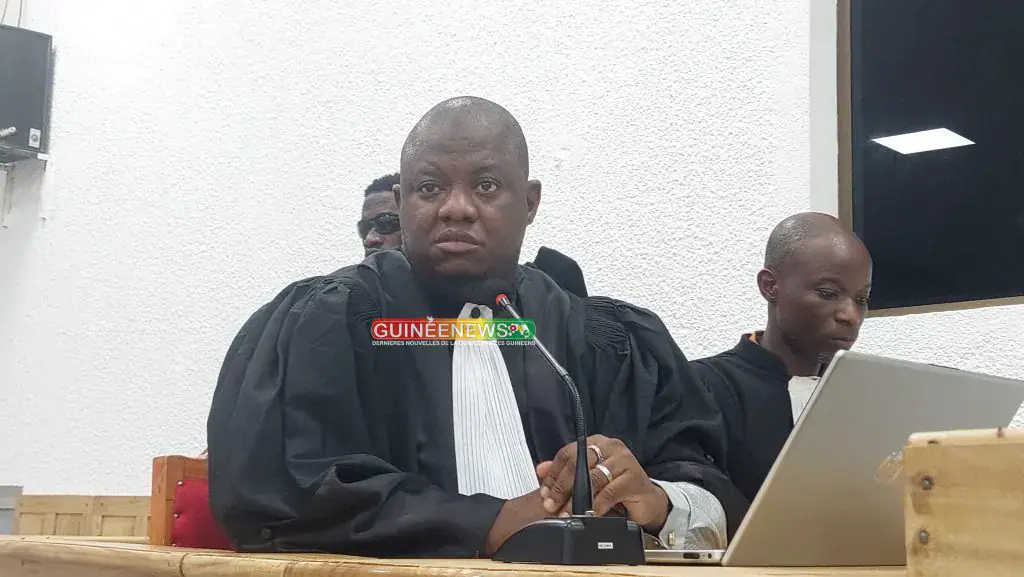
In a recent interview on Télé 24, Guinea's CRIEF prosecutor Alphonse Charles Wright outlined a new approach to combating corruption and embezzlement of public funds. Wright emphasized the importance of recovering state assets, stating that imprisoning 1,000 people without recovering stolen assets would be a failure. This shift in strategy aims to prioritize the recovery of state assets and reparations for damages over mass arrests and convictions.
Wright explained that the fight against economic and financial crimes should not solely focus on imprisonment, but rather on allowing the state to recover its rights and the Guinean people to regain their stolen resources. To achieve this, the CRIEF will rely on expert analysis, administrative checks, and the restitution of assets and damages once facts are established. This approach is expected to yield more effective results in recovering state assets.
The new strategy will be applied to ongoing cases involving high-profile individuals, including former ministers Mory Condé and Mourana Soumah. Wright disclosed that administrative checks are underway, and expert reports are pending before any decisions are made. He stressed the principle of presumption of innocence, while also hinting at the possibility of requiring individuals to repair established damages or face potential judicial proceedings.
Wright expressed his preference for imposing financial penalties on individuals rather than pursuing arrests driven by public curiosity. He emphasized that the CRIEF's goal is to achieve tangible financial results for the state, rather than merely satisfying public expectations. This approach aims to maximize the recovery of state assets.
The CRIEF prosecutor also addressed the issue of detention costs, noting that the upkeep of incarcerated individuals represents a significant burden on Guinean taxpayers. Wright plans to submit proposals for reform to the Minister of Justice, focusing on the social reintegration of prisoners and their participation in professional activities, while upholding human rights.
Wright highlighted that the CRIEF is not solely responsible for defending state interests, but can also be approached by private individuals. He stressed the importance of the special prosecutor's office acting independently, relying solely on facts and evidence, and resisting public pressure. This independence is crucial in ensuring the effectiveness of anti-corruption efforts.
Through this new approach, Wright aims to make the recovery of public assets and reparations the primary criteria for evaluating the success of anti-corruption efforts in Guinea. By prioritizing asset recovery and reparations, the CRIEF hopes to achieve more impactful results in the fight against corruption and embezzlement.
Key points
- CRIEF prosecutor Alphonse Charles Wright announces a new strategy to prioritize recovering state assets over mass arrests and convictions in Guinea's anti-corruption efforts.