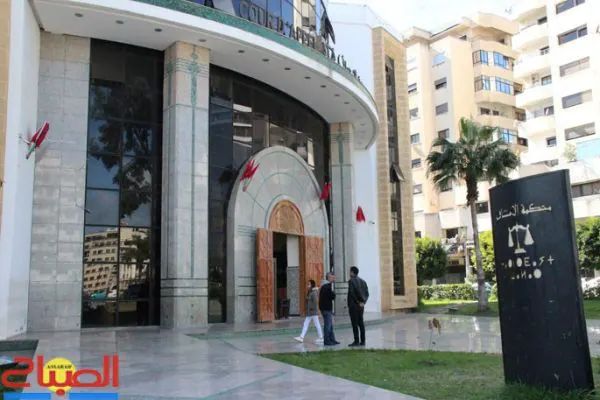
A sense of unease pervades the Court of Appeals in Tangier, as a strike by lawyers has brought proceedings to a halt. The usually bustling corridors are now eerily quiet, with anxious looks on the faces of litigants and families of detainees. Many are uncertain about the status of their cases or the outcome of their appeals. The strike, which appears to be having a significant impact, has left those involved in the judicial process in a state of limbo.
The strike, which was called by the lawyers' union, is in protest at what they see as an unfair system. Many lawyers have expressed frustration at the heavy workload and poor working conditions. The situation has been exacerbated by a shortage of judges and support staff, leading to a backlog of cases. As a result, many court hearings have been postponed or cancelled, causing distress to those involved.
Despite the disruptions, some lawyers have chosen to break ranks with their union and continue working. These lawyers argue that their clients' interests must be protected and that they cannot afford to delay their cases further. However, their decision to defy the strike has not been without controversy, with some colleagues accusing them of undermining the union's efforts.
The strike has also had a significant impact on the local community, with many people relying on the courts to resolve disputes or seek justice. The delays and cancellations have caused frustration and anxiety, with some people forced to wait for months or even years for their cases to be heard. The situation has highlighted the need for urgent reforms to address the systemic issues plaguing the judicial system.
In an effort to find a solution, talks have been held between the lawyers' union and government officials. However, so far, no agreement has been reached, and the strike continues. The impasse has raised concerns about the impact on the rule of law and access to justice in Morocco.
The situation in Tangier has also drawn attention to the broader challenges facing the Moroccan judicial system. The country has faced criticism for its human rights record, with concerns about the independence of the judiciary and the treatment of detainees. The strike has highlighted the need for reforms to address these issues and ensure that the judicial system is fair, efficient, and effective.
As the strike continues, those affected are anxiously waiting for a resolution. The court's administrators are working to reschedule hearings and minimize the disruption, but it is unclear when the strike will end. The key points to watch are: the outcome of the talks between the lawyers' union and government officials; the impact on the backlog of cases; and the potential for reforms to address the systemic issues plaguing the judicial system.
Key points
- The strike by lawyers in Tangier has caused significant disruptions to court proceedings.
- The strike is in protest at what lawyers see as an unfair system, with a heavy workload and poor working conditions.
- The situation has highlighted the need for urgent reforms to address the systemic issues plaguing the judicial system.