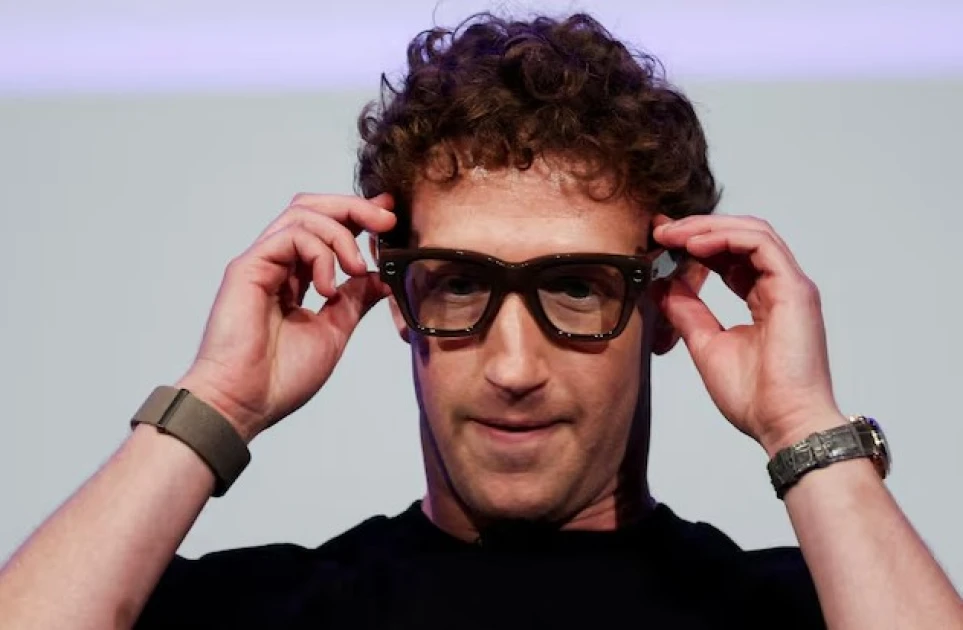
Governments, courts, and companies worldwide are considering restrictions on smart glasses due to concerns over potential misuse. The technology, popularized by Meta's Ray-Bans, allows users to capture photos, videos, or audio recordings without others' knowledge. As a result, authorities are examining existing rules and proposing new regulations to protect people's privacy. This move comes as smart glasses become increasingly mainstream, raising concerns about their impact on daily life.
In Australia, the federal government is considering banning the use of camera-equipped smart glasses in government workplaces. Public Service Minister Katy Gallagher has asked the country's Public Service Commission for advice on whether to prohibit their use and what exemptions might be required. This move highlights the concerns about the potential misuse of smart glasses in sensitive areas.
Courts in England and Wales have already prohibited the use of Meta smart glasses due to restrictions on taking images and videos in courts. Additionally, British cinema operators are introducing policies to prohibit or restrict camera-enabled smart glasses, according to the UK Cinema Association. These measures demonstrate the growing concern about the impact of smart glasses on privacy in public and private spaces.
The European Union is also scrutinizing smart glasses, with European privacy regulators and lawmakers examining their "social acceptability." The European Data Protection Board has commissioned a report into the issue, while Member of the European Parliament Veronika Cifrová Ostrihoňová has urged the European Commission to consider possible action. This scrutiny comes as the EU continues to prioritize data protection and privacy.
In Norway, the government plans to propose a temporary ban on the use of AI glasses in public areas, such as parks, beaches, and shopping centers. Norway's capital, Oslo, has already banned smart glasses in schools. These measures reflect the country's proactive approach to addressing concerns about smart glasses and their potential impact on society.
In the United States, New York's Unified Court System has banned smart glasses from all its court facilities since July 20. The rule covers prescription and non-prescription eyewear or headwear containing cameras, microphones, computers, or other technology capable of recording video or audio. Visitors carrying smart glasses must hand them over to court personnel for safekeeping before entering.
As smart glasses become increasingly popular, governments, courts, and companies are taking steps to address concerns about their potential misuse. With countries and regions implementing various restrictions and bans, it remains to be seen how the technology will evolve and be regulated in the future. The goal of these measures is to strike a balance between innovation and protecting people's privacy.
Key points
- Governments and companies are considering restrictions on smart glasses due to concerns over potential misuse.
- Countries and regions are implementing various restrictions and bans on smart glasses.
- The goal of these measures is to strike a balance between innovation and protecting people's privacy.