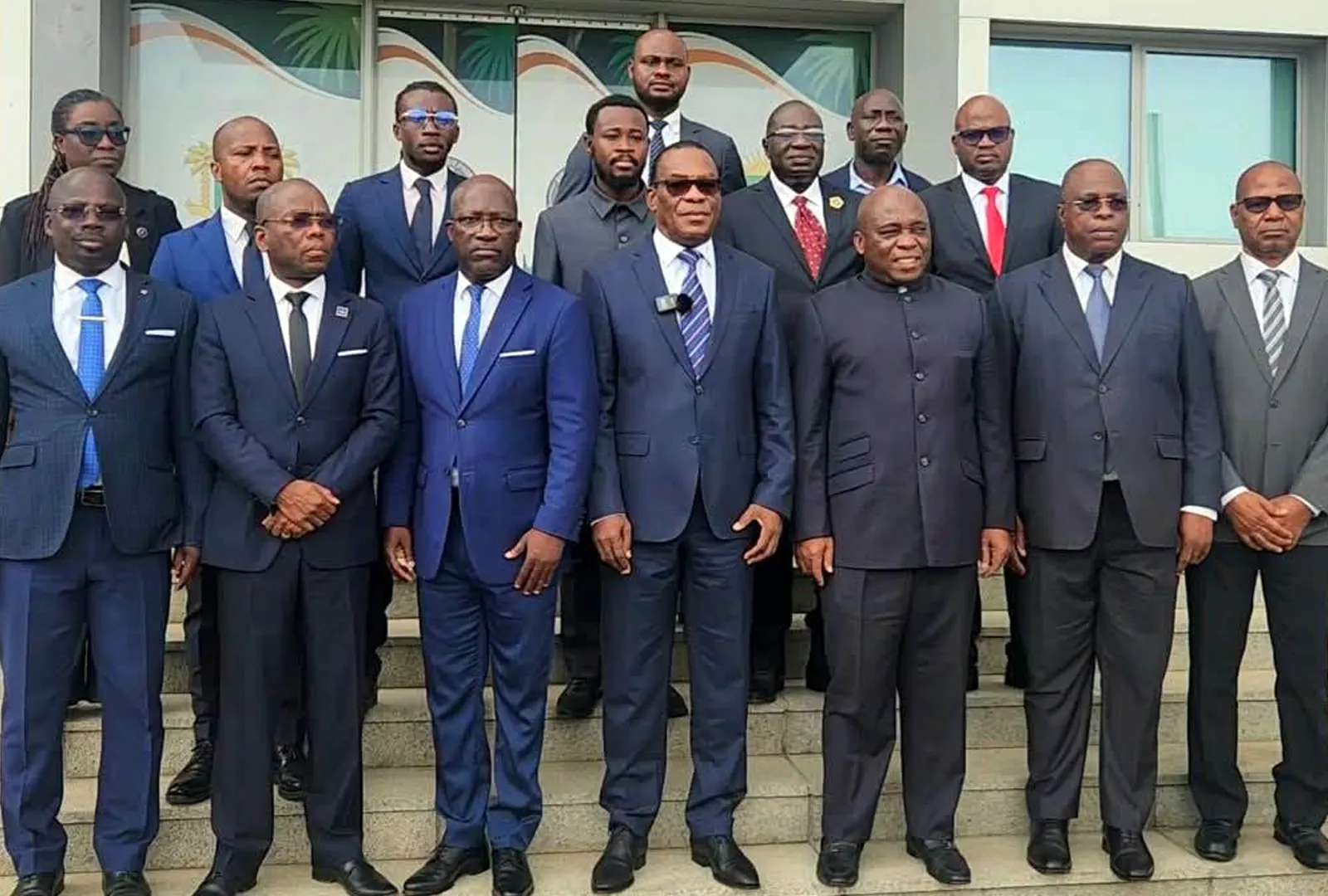
A coalition of opposition parties and civil society groups in Cote d'Ivoire submitted a joint proposal for electoral reform to the government on October 5, 2026. The proposal, which was submitted to the Minister of Interior and Security, aims to establish a new electoral body that is independent, neutral, and impartial. The delegation that submitted the proposal included representatives from the Coalition for Peaceful Alternation in Côte d'Ivoire (CAPCI), the movement Today and Tomorrow, Côte d'Ivoire (ADCI), and other groups.
The joint proposal was developed after several opposition groups and civil society organizations merged their individual proposals into a single document, which was validated on October 4, 2026. According to Pascal Affi N'Guessan, one of the leaders of the opposition coalition, the proposal is based on two main pillars. The first pillar seeks to establish an electoral body composed of experts recruited through a call for candidatures, rather than representatives of political parties or government officials.
The second pillar of the proposal calls for the creation of an observation body tasked with monitoring the electoral process and ensuring its transparency. The opposition groups believe that this reform is necessary to restore trust in the electoral process and prevent crises related to the contestation of election results. They also argue that the reform should not be limited to the electoral body alone, but should also involve a review of the electoral code and the modalities for organizing elections.
The opposition coalition, which includes Charles Blé Goudé, Ahoua Don Mello, and Assalé Tiémoko, among others, is calling for the government to open a dialogue on the proposal and reach a consensual agreement. However, the PDCI party, which has already submitted its own proposal, did not participate in the coalition's efforts. Affi N'Guessan has not ruled out the possibility of harmonizing the opposition's positions in a second phase.
The submission of the joint proposal comes amid ongoing efforts to reform the electoral process in Cote d'Ivoire. The country has faced several electoral crises in recent years, including disputes over election results and allegations of irregularities. The opposition groups believe that their proposal will help to address these issues and ensure a more transparent and credible electoral process.
The government has not yet responded to the opposition's proposal, but Affi N'Guessan has expressed hope that it will be taken seriously. He emphasized that the opposition is committed to finding a consensual solution to the country's electoral challenges and is willing to engage in dialogue with the government and other stakeholders.
The electoral reform proposal is seen as a critical step towards consolidating democracy in Cote d'Ivoire. The country has made significant progress in recent years, including the holding of peaceful elections and the establishment of a new constitution. However, challenges remain, including the need to address issues related to electoral transparency and accountability.
Key points
- Opposition parties and civil society groups submit joint proposal for electoral reform in Cote d'Ivoire
- Proposal aims to establish independent, neutral, and impartial electoral body
- Government has not yet responded to proposal, but opposition hopes for dialogue and consensual agreement