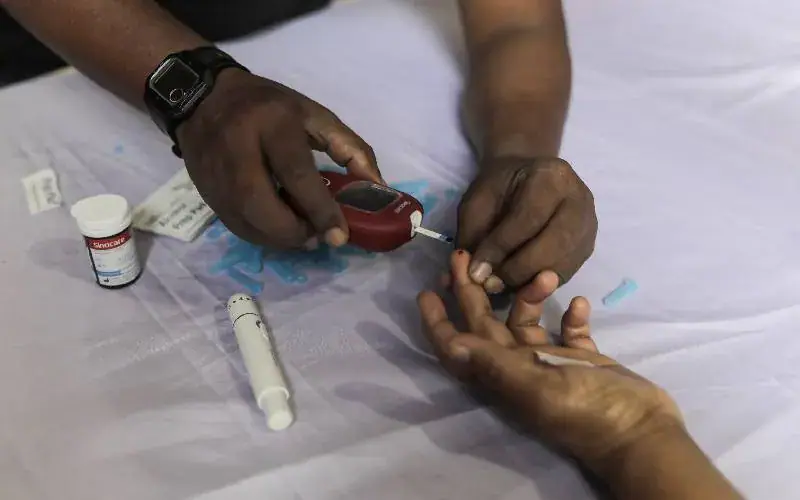
A recent survey by the International Diabetes Federation (IDF) found that approximately 440,000 adults in Kenya are living with diabetes without knowing their status. The high cost of screening, fear of diagnosis, and misconceptions about the disease are major obstacles to early detection. Despite growing awareness of diabetes, many Kenyans at increased risk do not consider themselves vulnerable to the condition.
The survey of 355 adults at increased risk of Type 2 diabetes in Kenya revealed that 97% believe getting checked for the condition is worthwhile, but only 7% think they are likely to develop it. Every respondent reported having at least two known risk factors for Type 2 diabetes, yet the majority appeared unconvinced that the disease could affect them. The findings are part of a six-country study involving over 2,400 adults.
The cost of screening emerged as the biggest obstacle to early detection in Kenya, with 47% of respondents identifying it as a barrier. This was the highest proportion recorded among the six countries surveyed. Fear of discovering that they have diabetes was another major deterrent, cited by 41% of respondents, while 30% said they did not believe they were at risk.
The study also found that more than two in five respondents, representing 41%, would not feel confident arranging a diabetes risk check, pointing to gaps in information about where and how to access screening services. About 82% of those surveyed incorrectly believe that people with prediabetes usually experience noticeable symptoms, the highest proportion among the six countries.
According to the IDF Diabetes Atlas 11th edition, approximately 810,000 adults aged between 20 and 79 in Kenya are living with diabetes. Of these, an estimated 440,000, representing 54%, remain undiagnosed. This means that only 46% of adults with diabetes in the country have received a diagnosis, falling significantly below the World Health Organization's global target of diagnosing 80% of people living with diabetes by 2030.
To reach the benchmark, Kenya would need approximately 270,000 additional diagnoses, equivalent to around 180 people being diagnosed every day between November 14, 2026, and December 31, 2030. The financial implications of delayed diagnosis are significant, with diabetes-related healthcare spending in Kenya reaching US$333 million in 2024.
IDF President Professor Peter Schwarz emphasized that awareness of diabetes is not the same as awareness of one's own risk. Diabetes Kenya National Secretary Grace Atieno Jalang'o suggested that screening services should be made more affordable and accessible, particularly through community outreach programs and local pharmacies, to address the diagnosis gap.
Key points
- 440,000 Kenyan adults are living with undiagnosed diabetes.
- High screening costs and fear of diagnosis are major obstacles to early detection.
- Kenya needs to diagnose approximately 270,000 more people with diabetes to reach the World Health Organization's global target by 2030.
Reporting sources
- Cost, fear leave 440,000 unaware they have diabetes · The Standard