Respiratory syncytial virus (RSV) is a common respiratory virus that can cause severe pneumonia and other lower respiratory tract infections in babies. Two newly licensed interventions, Abrysvo and Beyfortus, have been registered by the South African Health Products Regulatory Authority to protect babies against RSV. However, their high costs are blocking their introduction into South Africa's public health system. According to Professor Shabir Madhi, a Wits vaccinologist, the national health department is negotiating with manufacturers to secure a lower price for the maternal RSV vaccine.
Abrysvo, an RSV vaccine given during pregnancy, produces antibodies that pass through the placenta and help protect the baby from birth to six months. The vaccine costs about R3,700 to R4,200 in the private sector, making it unaffordable for widespread public use at its present price. Madhi estimates that the maternal vaccine would need to cost about $25 to $30 a dose to be affordable and cost-effective for introduction into the public health system. The National Advisory Group on Immunisation recommended in April last year that Abrysvo be added to the public immunisation programme and offered to all pregnant women from 28 weeks of pregnancy.
The second intervention, Beyfortus, is a long-acting monoclonal antibody given to infants as an injection, providing immediate, temporary protection against RSV. Unlike a vaccine, it does not stimulate the baby's immune system to produce antibodies. Both products have been registered by the South African Health Products Regulatory Authority, with Abrysvo approved in December 2024 and Beyfortus in September 2025. However, neither is available through the public health programme due to their high costs.
A major clinical trial found that maternal vaccination reduced severe RSV-related lower respiratory tract illness in babies by 69.4% during their first six months. The National Advisory Group on Immunisation recommended that the vaccine be offered throughout the year because RSV circulates in South Africa beyond a narrowly defined winter season. Its assessment said 73% of RSV-associated deaths in South Africa occurred among babies younger than six months.
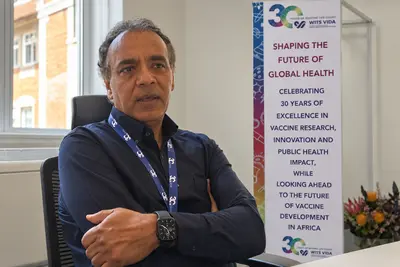
Madhi spoke to the Mail & Guardian after delivering an address marking the 30th anniversary of the South African Medical Research Council/Wits Vaccines and Infectious Diseases Analytics Research Unit, known as VIDA. He said the unit's most important contribution had been its role in the clinical development of vaccines that were subsequently recommended by the World Health Organisation for global use. However, he noted that the benefits of vaccine development depended on lifesaving products being affordable and on children receiving vaccines that were already freely available.
Madhi also highlighted the challenges faced by African countries in accessing vaccines, including weak public communication, declining confidence in vaccines, and complacency created by their success. He noted that too many African children were still dying from preventable diseases because they were not fully vaccinated. In South Africa, the problem was not simply a shortage of vaccines, but also clinic operating hours, transport costs, and the loss of income faced by parents who had to take time off work to take their children to clinics.
The anniversary also highlighted a wider weakness in Africa's position in the vaccine industry, with the continent lacking the capacity to produce vaccines from beginning to end. Madhi said building an African vaccine industry would require governments to provide incentives for early research, development, and manufacturing. He noted that taking a vaccine from initial research to the market could cost at least $1 billion, raising the question of who would be prepared to make the investment.
Key points
- High costs of RSV interventions hinder public access in South Africa
- Maternal RSV vaccine needs to cost $25-$30 per dose to be affordable
- Africa lacks capacity to produce vaccines from beginning to end