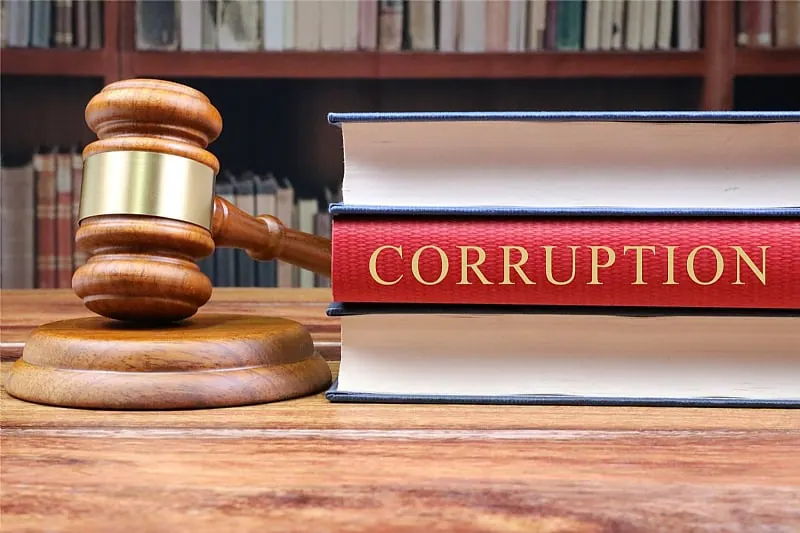
Ghana has experienced a change in government, president, ministers, and chief executives, but one issue persists: corruption. Despite campaign promises to tackle the problem, corruption appears to survive every change of government. The question remains: is corruption a political problem or has it become an integral part of Ghanaian governance and culture? For decades, Ghanaians have been told that corruption is a problem of the opposing party, with each side pointing fingers at the other.
The Auditor-General's 2024 report on Ministries, Departments and Agencies identified total financial irregularities amounting to approximately GH¢2,055,094,878. This number should provoke national reflection, as it indicates a deeper problem than just partisan politics. The scale of recurring financial irregularities is troubling, and the Auditor-General's reports have consistently highlighted these issues. Rather than simply assigning blame to one party or individual, Ghana needs to examine its governance and institutions.
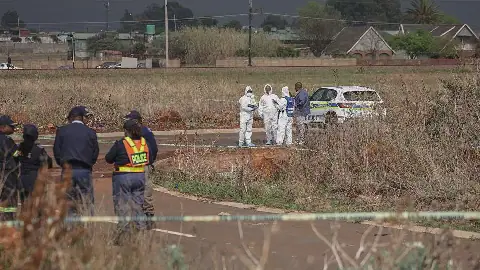
A recent scandal involving the export of approximately four tonnes of suspected cocaine, with an estimated street value of about US$260 million, has raised more questions about Ghana's border controls, scanning, customs procedures, and institutional accountability. Four people have been remanded in connection with the alleged shipment, while investigations continue. The incident highlights the need for a thorough examination of the system and the weaknesses that allowed the problem to occur.
The temptation to reduce Ghana's corruption debate to NPP versus NDC is politically convenient but intellectually insufficient. During the NPP administration, controversies over major public expenditures and projects, including the National Cathedral, generated intense public debate about procurement, financing, accountability, and value for money. These controversies deserve scrutiny based on available evidence, rather than being automatically described as proven embezzlement.
Corruption becomes institutionalized when society learns to tolerate it. The most dangerous form of corruption may not always be the dramatic suitcase of money but rather small compromises, such as a phone call asking an official to "help my person" or a contract awarded because "he is our man." Individually, these actions may appear insignificant, but collectively, they create an environment in which institutions stop operating by rules and start operating by relationships.
Ghana has two dominant political traditions that have alternated in government for decades, both of which have campaigned on accountability and accused the other of corruption. However, Ghana continues to confront allegations and documented cases involving misuse or mismanagement of public resources. The lesson should not be that both parties are identical, but rather that the recurring nature of corruption should force a re-examination of whether Ghana has relied too heavily on political promises to solve fundamentally institutional problems.
Changing the names of people occupying offices will not automatically change the weaknesses that allowed the problem to occur. Ghana needs to have a difficult conversation about whether corruption is primarily a political problem or has become embedded in aspects of its national culture. The country's institutions, including its governance and border controls, need to be examined and strengthened to prevent corruption and ensure accountability.
Key points
- Corruption in Ghana may have become embedded in its national culture and institutions.
- The country's recurring financial irregularities and corruption scandals raise questions about its governance.
- Ghana needs to move beyond partisan politics and address the institutional problems that allow corruption to persist.