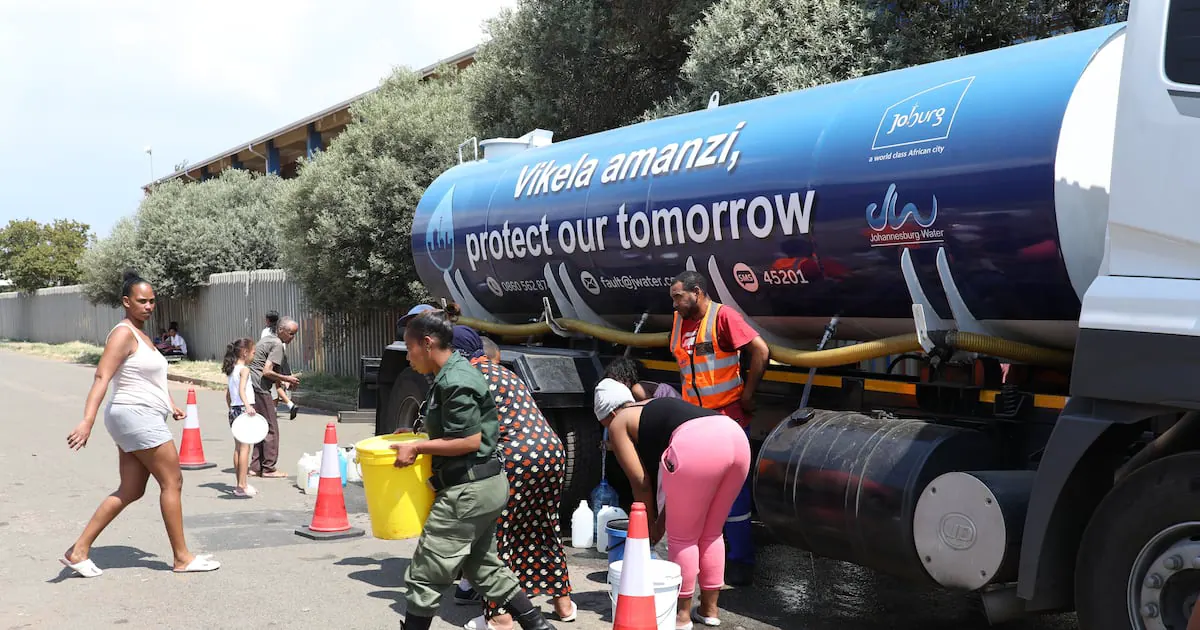
Johannesburg's failing services have become a source of profit for corrupt officials, contractors, and criminal networks, giving them a financial interest in frustrating the city's recovery. According to a report by the Centre for Development and Enterprise, infrastructure theft generates repair contracts, water shortages create demand for tankers, and breakdowns open the way for emergency procurement. The city's R20bn annual expenditure on goods and services is also being diverted due to corruption.
The report, titled "Time for Action: Corruption in Joburg," draws on research commissioned from the Global Initiative Against Transnational Organized Crime. It highlights that Johannesburg's problems go beyond weak administration, poor maintenance, or municipal incompetence. Instead, the city has developed a "crime-council ecosystem" where political, business, and criminal interests intersect and benefit from dysfunction. This ecosystem enables corrupt officials and contractors to profit from the city's failing services.
The report's findings are particularly relevant as Johannesburg prepares for the November 4 municipal elections. With no party expected to secure more than 50% of the vote, coalition negotiations will likely determine the next mayor and administration. The Centre for Development and Enterprise warns that unstable coalitions and bargaining over senior positions have weakened institutions meant to prevent abuse. This has allowed corrupt insiders to cooperate with networks involved in infrastructure theft, sabotage, and building hijacking.
Corruption in Johannesburg's municipal services takes many forms. In electricity, criminals sell stolen copper and then benefit from contracts to repair the damage. In water, sabotage or obstructed repairs can leave communities dependent on tankers, generating lucrative emergency work. The report also notes that violence and intimidation are used extensively to protect corrupt interests and threaten investigators, whistleblowers, politicians, and legitimate businesses.
The city's own investigative capacity has been compromised by corruption. Its Group Forensic and Investigation Services investigated over 6,000 cases involving transactions worth R35bn but faced sustained political pressure. In June 2023, the city adopted a report declaring the unit's previous corruption probes and forensic findings "unlawful, null, and void" and handed its powers to the city manager. The assassination of a former investigator in 2024 had a chilling effect on internal reporting.
To address corruption, the Centre for Development and Enterprise proposes several reforms. Investigators need protection against interference in their appointments, budgets, and cases, with automatic external referral or oversight when allegations involve officials who control the unit. Procurement records should be public, and senior appointments should be made through open recruitment and professional assessment. The report also calls for tighter limits on emergency procurement and protection for whistleblowers against retaliation.
The report emphasizes that reform must anticipate resistance from powerful interests and that investigations have to end in consequences. The Centre for Development and Enterprise argues that a forensic report gathering dust in an office is not an anti-corruption achievement. To achieve meaningful change, the municipality should focus investigations on the most damaging networks and pursue disciplinary action and civil recovery alongside referrals to national investigators and prosecutors.
Key points
- Corruption in Johannesburg's municipal services has created a "crime-council ecosystem" where political, business, and criminal interests intersect and benefit from dysfunction.
- The city's failing services have become a source of profit for corrupt officials, contractors, and criminal networks, giving them a financial interest in frustrating the city's recovery.
- Reform must anticipate resistance from powerful interests, and investigations have to end in consequences to achieve meaningful change.