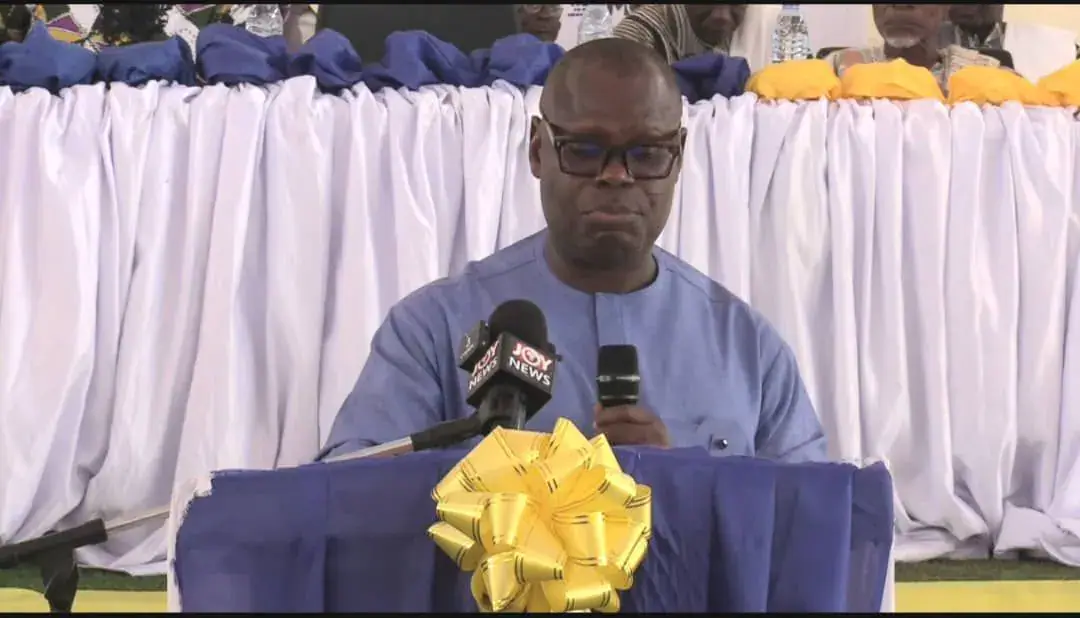
The President of the Conference of Principals of Technical Institutions in Ghana (COPTI), Arko Dometey, has urged the government to address the inadequate infrastructure and resources in technical institutions. He stated that the current challenges, including outdated machinery and shortages of practical training materials, undermine competency-based training and limit institutions' ability to produce graduates with the practical skills industry requires.
Mr. Dometey emphasized that technical education cannot achieve its objectives if learners are exposed predominantly to theoretical instruction at the expense of practical training. He called for reliable and timely supplies of training materials, modern equipment, and functional science and STEM laboratories to improve practical skills development. Additionally, he appealed for the immediate posting of qualified teachers and facilitators to institutions facing acute staffing shortages.
The COPTI President also advocated for structured, long-term partnerships between technical institutions and industries to support curriculum development, industrial attachment, instructor training, equipment provision, and graduate employment. He stressed that the success of such partnerships must be measured by the practical opportunities created, competencies developed, and employment outcomes achieved.
Vice-Chancellor of Dr. Hilla Limann Technical University, Ing. Prof. Hamidatu S. Dramani, also called for a fundamental change in public perception of technical and vocational education. She said TVET must become a first-choice educational pathway rather than an alternative for students considered academically less capable. Prof. Dramani observed that outdated equipment and inadequate workplace exposure had contributed to the negative perception of the sector.
The Director-General of the Ghana TVET Service, Engr. Dr. Eric Kofi Adzroe, reported that public TVET enrolment had increased to approximately 72,200 learners in the 2025/2026 academic year. He attributed the growth partly to the introduction of Free TVET, which has widened access to skills training for young people. However, he cautioned that increased enrolment must be accompanied by deliberate investments in infrastructure, training capacity, and quality delivery.
Dr. Adzroe disclosed that 83 GETFund projects had been initiated for TVET institutions across 13 regions since 2025. The projects cover workshops, classroom blocks, dormitories, administration blocks, and staff accommodation. He also highlighted the US$300 million STAR-J project, supported by the World Bank, which is expected to provide 53 additional interventions in technical institutions.
The six-day COPTI conference in Wa brings together principals of technical institutions from across the 16 regions, policymakers, industry players, and development partners to deliberate on the future of technical education. The programme includes technical presentations, plenary discussions, regional reports, stakeholder engagements, and an awards ceremony to recognise outstanding institutional leadership and support deprived technical institutions.
Key points
- The COPTI President calls for urgent investment in workshops, equipment, and teachers to transform TVET education in Ghana.