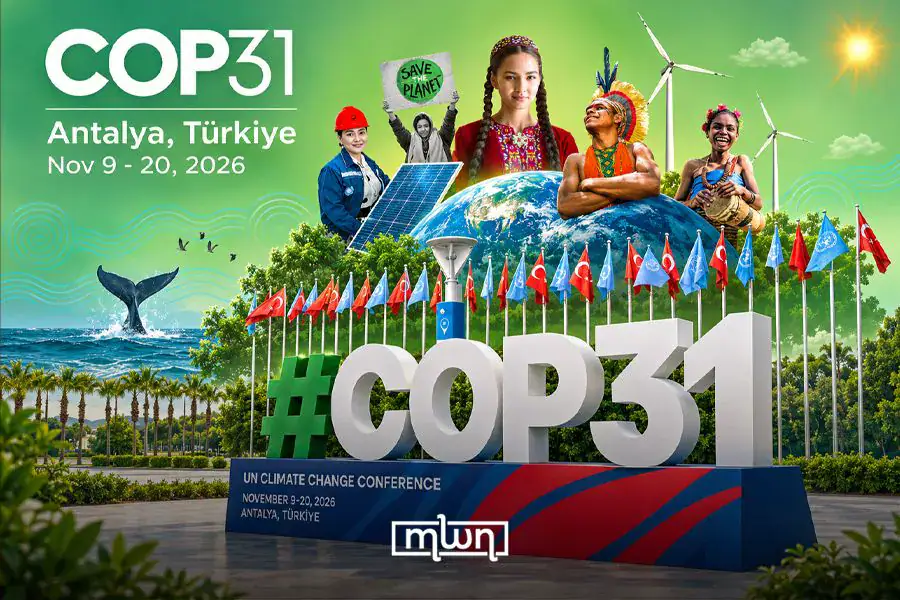
The 31st Conference of the Parties (COP31) started in Antalya, Türkiye, with a call to action for countries to move beyond setting global climate targets and focus on delivering solutions. UN Climate Change Executive Secretary Simon Stiell emphasized that the meeting must "supercharge solutions," including increasing adaptation finance, expanding renewable energy, and cutting methane emissions. He also stressed the need for clearer ways for countries to access funding that governments have already committed.
The conference, scheduled to run through November 20, brings together governments and other participants to discuss ways to advance climate action. Türkiye's COP31 President Murat Kurum described the meeting as an "Implementation COP," saying decisions made in Antalya should translate into changes in cities, agriculture, and industry. Stiell and Kurum are working together with other countries, including Australia, to advance the conference's negotiations and Action Agenda.
On the first day of the conference, the World Meteorological Organization (WMO) released its State of the Climate Update 2026, which found that the 12 years from 2015 to 2026 were on track to become the warmest on record. The report also noted that ocean heat reached a record for the 10th consecutive year and global sea levels hit a new high, putting about 900 million people living along low-lying coasts at greater risk. WMO Secretary-General Celeste Saulo warned that a very strong El Niño could bring further heat and extreme weather through 2027.
The WMO report also found that the number of countries with multi-hazard early warning systems rose from 56 in 2015 to 136 in 2025. This is a significant increase, indicating that more countries are taking steps to prepare for and respond to climate-related disasters. The report's findings highlight the need for urgent action to address the growing climate crisis.
COP31 also featured a dedicated Health Day, which coincided with the conference's thematic priorities on food and agriculture. During a ministerial roundtable, Stiell called for health ministries to help shape national climate plans and for countries to build health facilities that can withstand heat and floods, with reliable clean power, safe water, early warnings, and trained workers. He also emphasized the need for adaptation finance to reach countries facing the greatest risks.
UN Climate Change launched its 2026 Yearbook of Global Climate Action, which recorded progress across 44 global indicators aligned with the first global stocktake. The yearbook identified remaining gaps in areas, including oil and gas methane emissions and food loss. Despite these gaps, the report found that 84% of plans to accelerate solutions reported progress after their first year, indicating that many countries are making progress in implementing climate actions.
As COP31 continues, countries will discuss ways to advance climate action and address the growing climate crisis. The conference's focus on implementation and action is a critical step towards turning climate commitments into practical solutions. The outcome of the conference will be closely watched, as countries work together to address the global climate crisis and create a more sustainable future.
Key points
- The conference aims to move beyond setting global targets and focus on delivering solutions, including increasing adaptation finance and expanding renewable energy.
Reporting sources
- Read article: COP31 Opens in Türkiye With Calls to Turn Climate Pledges Into Action · Morocco World News