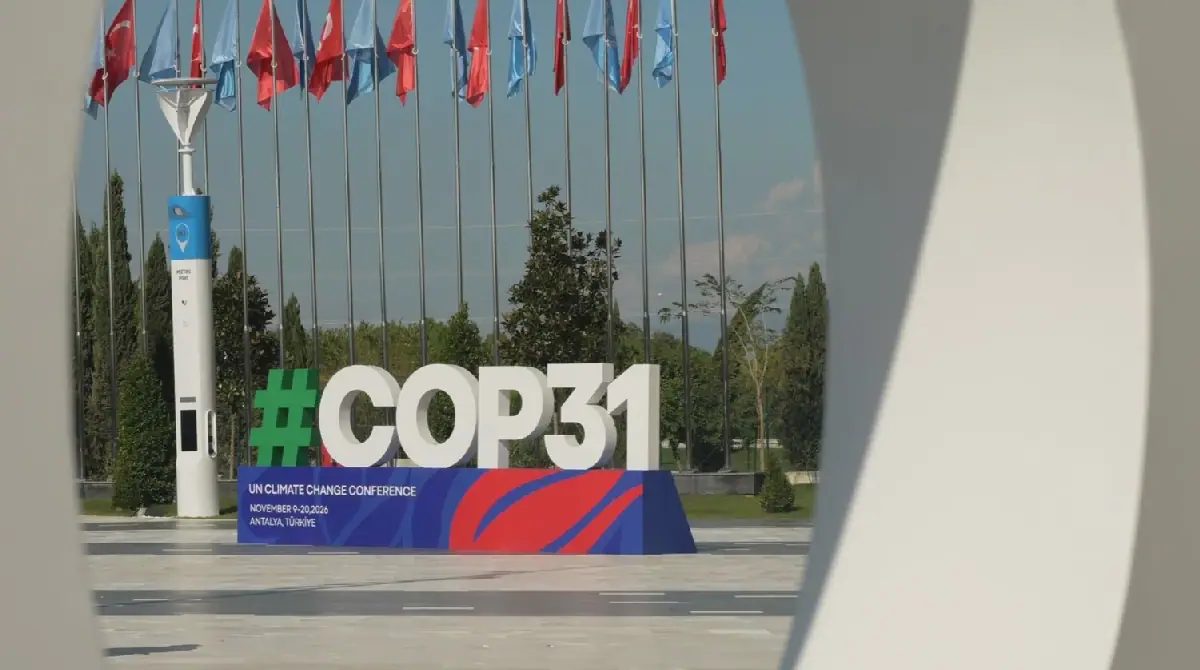
The 31st Conference of the Parties (COP31) in Antalya, Turkey, is struggling to reach a consensus on a draft agreement that steers clear of explicitly mentioning fossil fuels. Two days after the scheduled closure, delegates were still negotiating on Sunday, November 22. The draft agreement maintains a global goal of increasing electricity's share in final energy consumption to 35% by 2035 but stops short of directly referencing coal, oil, and gas.
The omission of direct references to fossil fuels has become a point of contention among countries. Producers of hydrocarbons, such as Saudi Arabia, oppose mentioning these energy sources, while countries particularly exposed to climate change, including those in the Pacific and Europe, demand a clear call to transition away from them. This rift does not simply divide rich and poor countries but also cuts across groups with different interests.
A key aspect of the compromise is the promotion of electrification and clean energy development. The draft agreement encourages the development of "clean energy" and sets a specific target for increasing electricity's share in global energy consumption. However, it does not equate to a commitment to reduce fossil fuel consumption. This has led to disappointment among some countries, including Antigua and Barbuda, whose environment minister expressed his discontent with the current form of the text.
The role of carbon capture and storage technologies has also become a point of controversy. The draft agreement appears to support the development of these technologies, which can remove carbon dioxide from the atmosphere or capture and store emissions. However, some argue that this could divert attention from reducing fossil fuel production and consumption. Observers note that countries like Saudi Arabia are pushing for the inclusion of these technologies.
The negotiations also revolve around the goal of limiting global warming to 1.5°C above pre-industrial levels. The draft agreement maintains this objective but also acknowledges that the current trajectory may lead to exceeding this threshold. It calls for accelerating technologies that could help reverse this trend in the future. This dual approach presents a challenge for negotiators, who must balance acknowledging the worsening situation with preserving a capacity for collective action.
Financial contributions from developed countries to support developing nations in their climate efforts remain a contentious issue. European countries have indicated they will prioritize existing commitments without offering additional contributions. This question is crucial, as it affects the feasibility of implementing the agreed-upon energy orientations. The timeline for future reports from the Intergovernmental Panel on Climate Change (IPCC) is also a subject of debate.
The ongoing negotiations highlight the complexities of reaching a consensus on climate action. The compromise draft agreement attempts to balance competing interests but has sparked criticism from various quarters. As the talks continue, countries must navigate their differences to achieve a common goal of addressing climate change. The outcome remains uncertain, with some observers warning of the possibility of concluding without an agreement.
Key points
- The draft agreement maintains a goal of increasing electricity's share in final energy consumption to 35% by 2035.
- Countries are divided over the mention of fossil fuels in the agreement, with producers opposing direct references and vulnerable countries demanding a clear call to transition away from them.
- Financial contributions from developed countries to support climate efforts in developing nations remain a point of contention.