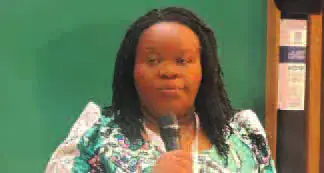
On the sidelines of the COP31 climate negotiations, a panel was held on the theme "Nourishing Forests in the Fight Against Climate Change: The Biodiversity, Climate, and Agroecology Approach of the Congo Basin Climate and Agroecology Initiative (COBCAI)". The event took place on November 16, 2026, in Antalya, Turkey. The Congo Basin, the second-largest ecological lung globally, plays a vital role in Africa's and the world's climate resilience. However, it faces threats from human activities such as plantations, mining, and deforestation.
The COBCAI initiative, launched by the civil society, aims to mobilize stakeholders around forest preservation and food sovereignty. The program, set to run from 2027 to 2031, was presented by Dr. Million Belay, coordinator of the Alliance for Food Sovereignty in Africa (AFSA). COBCAI has five pillars: policy and legal framework reform, movement and accountability, knowledge and research, scaling up through land, markets, and financing, and coordination. The initiative has a budget of $10.5 million over five years and targets 9,000 people, with over 50% being women and 30% youth.
The Congo Basin, spanning 300 million hectares, is home to 60 million people and risks losing 26 million hectares by 2030 if exploitation models remain unchanged. To address this, COBCAI seeks to "nourish the basin, preserve the forest." Dr. Belay emphasized the forest's significance, stating, "The forest means everything to us. It's our pharmacy, bakery, and store." The initiative aims to restore 3,000 hectares of degraded land, support 9,000 farms in transitioning to agroecology, and establish 120 peasant seed banks and 18 territorial markets.
Representatives from the Democratic Republic of Congo (DRC) and Cameroon highlighted the importance of agroecology in preserving the forest and promoting food sovereignty. Cathy Mboyangawo, from the DRC's civil society, presented agroecology as a solution for preserving the forest, the primary source of income for local populations. Cameroon, as a key player in the region, will play a significant role in implementing COBCAI.
Experts praised COBCAI for linking local realities to public policies. However, Samuel Nnah from Full Circle Foundation emphasized the need for clear strategies and precise result indicators to mobilize philanthropic funding. The initiative's coordinator, Joséphine Antagana, moderated the panel, which aimed to highlight the Congo Basin's role in combating climate change and explore green financing opportunities.
COBCAI has garnered support from various stakeholders, including the Alliance for Food Sovereignty in Africa (AFSA) and the civil society. The initiative's focus on agroecology and sustainable land use aligns with global efforts to address climate change. As the Congo Basin faces increasing threats, COBCAI's implementation will be crucial in preserving this vital ecosystem.
The panel discussion at COP31 underscored the importance of collaborative efforts to address the complex challenges facing the Congo Basin. With its significant ecological and economic value, the region requires innovative solutions to balance human needs with environmental conservation. COBCAI's holistic approach, combining agroecology, policy reform, and community engagement, offers a promising path forward for sustainable development in the region.
Key points
- The Congo Basin Climate and Agroecology Initiative (COBCAI) aims to mobilize stakeholders around forest preservation and food sovereignty in the region.