The COP31 conference, held in Antalya, Turkey, from November 9 to 22, 2026, has concluded without a binding agreement on climate change. Despite the noble ambition to address the health of the planet, the conference failed to deliver concrete results. The talks, which lasted for two weeks, focused on issues such as protecting forests, conserving oceans and glaciers, and promoting alternative energy sources. However, the discussions were criticized for being too vague and lacking in concrete commitments.
The failure of COP31 to deliver a binding agreement has been met with disappointment from many quarters. The conference was seen as an opportunity for countries to come together and address the pressing issue of climate change. However, the interests of rich and powerful countries seemed to take precedence, and the talks ultimately ended without a clear plan of action. This outcome is likely to have far-reaching consequences, particularly for countries in Africa that are already bearing the brunt of climate change.
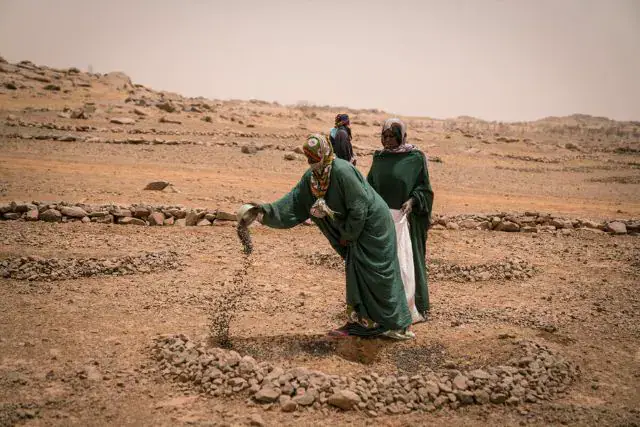
The impact of climate change is being felt acutely in Africa, where agricultural production is being severely affected by changing weather patterns. Farmers are struggling to cope with droughts, floods, and other extreme weather events, leading to food shortages and economic hardship. The situation is further exacerbated by the lack of support from international partners, who are often criticized for not doing enough to help countries adapt to climate change.
The failure of COP31 to deliver a binding agreement has also been criticized for its impact on the global economy. The conference was seen as an opportunity to promote sustainable development and reduce greenhouse gas emissions. However, the lack of concrete commitments from countries is likely to undermine efforts to transition to a low-carbon economy. This, in turn, is likely to have significant economic implications, particularly for countries that are already struggling to cope with the impacts of climate change.
One of the key issues that was discussed at COP31 was the need to hold polluters accountable for their actions. The principle of "polluter pays" was reiterated, but it remains to be seen whether countries will take concrete steps to implement this principle. The lack of accountability is seen as a major obstacle to addressing climate change, and it remains to be seen whether future COPs will be able to make progress on this issue.
The outcome of COP31 has been met with skepticism from many quarters, with some questioning whether future COPs will be any more effective. The lack of concrete commitments from countries has been criticized, and there are concerns that the issue of climate change will continue to be debated without any meaningful action being taken. This skepticism is likely to be felt particularly in Africa, where the impacts of climate change are already being felt.
In conclusion, the failure of COP31 to deliver a binding agreement on climate change is a significant setback for efforts to address this pressing global issue. The lack of concrete commitments from countries has been criticized, and there are concerns that the issue of climate change will continue to be debated without any meaningful action being taken. The outcome of COP31 has significant implications for the future of the planet, and it remains to be seen whether future COPs will be able to make progress on this issue.
Key points
- The COP31 conference failed to deliver a binding agreement on climate change, despite discussions on key issues such as protecting forests and promoting alternative energy sources.
Reporting sources
- COP31 ou flop31? · Wakat Séra