The 31st United Nations Climate Change Conference (COP31) concluded in Antalya, Turkey, without a final agreement on phasing out fossil fuels due to persistent divisions among countries. The UN Secretary-General, Antonio Guterres, expressed deep disappointment with the outcome, stating that governments had failed to rise to the challenge of the climate crisis. Guterres emphasized that the science is clear and that urgent action is needed to address the issue.
The two-week conference, which was extended by two days, was primarily stuck on the role of fossil fuels in the final text. Countries advocating for a stronger commitment to abandoning coal, oil, and gas clashed with those seeking to protect their economies, which are heavily reliant on fossil fuel exports. Despite several compromise proposals from the co-chairs of the negotiations, Turkey and Australia, the positions of the countries remained far apart.
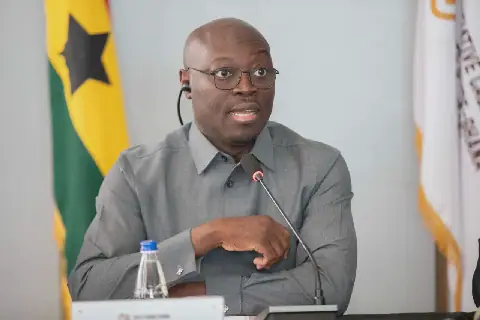
The Union European Union formally rejected the proposed final decision, citing the lack of reference to fossil fuels and the need for a gradual phaseout. The Panama and the Marshall Islands also opposed the text, arguing that it did not adequately protect populations most exposed to the consequences of climate change. The Ghanaian representative, speaking on behalf of the African Group, highlighted several shortcomings, including climate financing, loss and damage, and just transition.
Despite the absence of a final agreement, the conference made some progress, including the adoption of a just transition agreement and the launch of several initiatives aimed at accelerating electrification, strengthening climate resilience, and stimulating investments. The UN Secretary-General urged governments to accelerate the transition to clean energy, reduce greenhouse gas emissions, and increase financing for climate adaptation, particularly in vulnerable countries.
In his closing remarks, Simon Stiell, Executive Secretary of the UN Framework Convention on Climate Change (UNFCCC), called on countries to learn from this conference and preserve the gains made in previous summits in preparation for COP32. The outcome of COP31 was marked by deep divisions among countries on the modalities of exiting fossil fuels, at a time when the international community is expected to intensify its efforts to limit global warming to 1.5°C, in line with the Paris Agreement.
The conference highlighted the challenges of achieving a consensus on climate action, particularly when it comes to fossil fuel phaseout. Countries have different priorities and concerns, and finding a common ground proved difficult. However, the UN Secretary-General emphasized that the urgency of the climate crisis requires immediate action, and that the world must do more to address it.
The outcome of COP31 underscores the need for countries to work together to address the climate crisis. While the conference did not produce a final agreement on fossil fuel phaseout, it did generate some positive developments, including new initiatives and commitments. The international community must build on these gains and intensify its efforts to achieve the goals of the Paris Agreement.
Key points
- The conference failed to reach an agreement on phasing out fossil fuels due to divisions among countries.
- The UN Secretary-General expressed deep disappointment with the outcome, urging governments to take immediate action to address the climate crisis.
- Despite the absence of a final agreement, the conference made some progress, including the adoption of a just transition agreement and new initiatives.
Reporting sources
- La COP31 : fiasco à Antalya sur les énergies fossiles · Forum des As