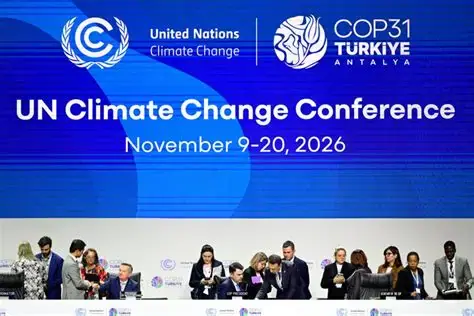
The 31st Conference of the Parties to the United Nations Framework Convention on Climate Change (COP31) concluded in Antalya, Turkey, without reaching an agreement on phasing out fossil fuels. The European Union rejected a final text that did not include a direct reference to transitioning away from fossil fuels. As a result, the conference, which was initially scheduled to end on Friday, extended into Sunday.
The President of COP31, Murat Kurum, acknowledged during the plenary session that countries failed to agree on the final decision project. Some countries rejected the draft due to the absence of any reference to fossil fuels. This development has significant implications for global climate action, as the continued reliance on fossil fuels exacerbates climate change.
Environmentalist Carlos Serra expressed disappointment with the outcome of COP31, calling it a "blow to climate justice" for Mozambique. He emphasized that the lack of global action from the most polluting nations increases climate vulnerability in countries like Mozambique. Serra's comments highlight the disproportionate impact of climate change on vulnerable nations.
The failure to reach an agreement on fossil fuels is a setback for efforts to address climate change. The continued use of fossil fuels is a major contributor to greenhouse gas emissions, which drive global warming. Without a clear commitment to transition away from fossil fuels, it will be challenging to meet global climate targets.
Mozambique, like many other developing countries, is already experiencing the effects of climate change. The country is prone to natural disasters such as cyclones, droughts, and floods, which have devastating impacts on its population and economy. The lack of progress on climate action at COP31 is a concern for Mozambique and other vulnerable nations.
The outcome of COP31 has sparked concerns about the ability of countries to work together to address climate change. The conference was seen as an opportunity for nations to come together and make progress on reducing greenhouse gas emissions. However, the failure to reach an agreement on fossil fuels has raised questions about the commitment of some countries to climate action.
The COP31 presidency will likely face criticism for not being able to broker an agreement on fossil fuels. The failure to reach a deal has significant implications for future climate talks and the global effort to address climate change. As the world grapples with the challenges of climate change, the need for collective action and cooperation among nations has never been more pressing.
Key points
- The COP31 conference ended without an agreement on phasing out fossil fuels.
- Environmentalist Carlos Serra expressed disappointment with the outcome, citing concerns about climate justice for Mozambique.
- The failure to reach an agreement has significant implications for global climate action and the continued reliance on fossil fuels.
Reporting sources
- COP31 termina sem acordo sobre abandono dos combustíveis fósseis · Rádio Moçambique