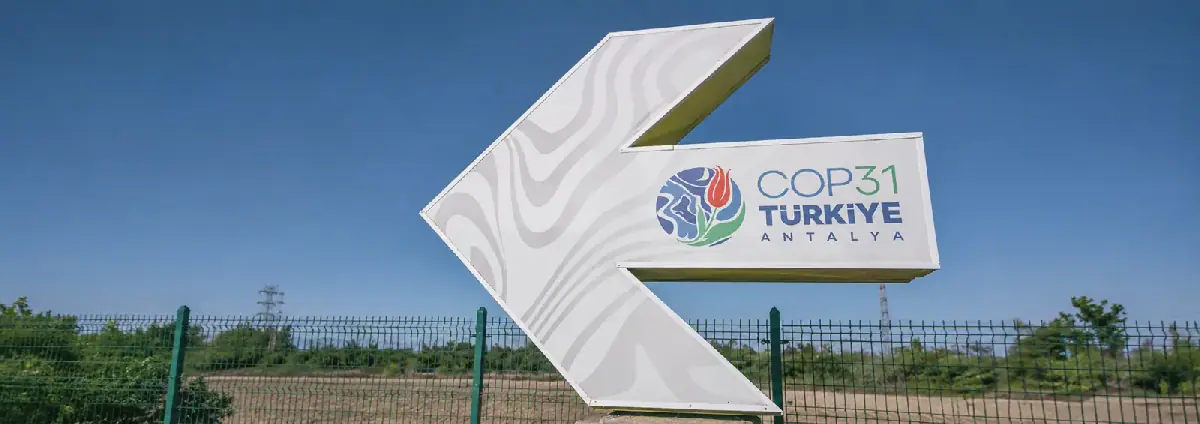
The 31st Conference of the Parties (COP31) officially commenced on Monday in Antalya, Turkey, against a backdrop of increasing extreme climate events, geopolitical tensions, and financial difficulties faced by many countries. UN Secretary-General António Guterres called on world leaders to expedite their efforts to combat climate change. He warned that the world has entered a new era of climate extremes, emphasizing the need for governments to reduce greenhouse gas emissions, transition away from fossil fuels, and increase financial support to vulnerable countries.
The opening ceremony, which started over an hour and a half late, featured the handover of the presidency from Brazilian André Corrêa do Lago, who led COP30, to Turkish Environment Minister Murat Kurum. Corrêa do Lago stressed the importance of maintaining moral compass in the face of climate challenges, highlighting the international community's expectations for climate justice. Murat Kurum emphasized the need for close cooperation among parties, as Turkey takes on the presidency of this year's conference.
The talks quickly revealed disagreements over funding for developing countries. Delegates debated the inclusion of financial mechanisms to help vulnerable countries cope with climate change consequences. A discussion mechanism set to begin in 2025 was ultimately agreed upon. However, a demand from African countries to officially triple adaptation funding was not accepted, although this issue may be addressed in other discussions.
The Turkish presidency aims to prioritize electrification in the negotiations. Ankara proposes increasing the global share of electricity in energy consumption to 35% by 2035, up from around 20% currently. This proposal may spark divisions, particularly between the European Union, which supports clean energy electrification, and some hydrocarbon-producing countries.
The conference proceeds without the participation of the US administration under President Donald Trump, despite the United States being one of the world's largest greenhouse gas emitters. The absence of the US has significant implications for global climate cooperation. Turkey's presidency has emphasized the need for cooperation and progress on key climate issues.
Key issues on the agenda include reducing greenhouse gas emissions, transitioning away from fossil fuels, and providing financial support to vulnerable countries. The conference will also focus on implementing previous climate agreements and addressing the challenges posed by climate change. Delegates will engage in intense negotiations to reach a consensus on these critical issues.
The outcome of COP31 will have far-reaching implications for global climate action. The conference aims to accelerate progress on reducing emissions, promoting sustainable development, and supporting countries most affected by climate change. As the talks continue, parties will work to find common ground and develop solutions to the pressing challenges posed by climate change.
Key points
- UN Secretary-General António Guterres urges world leaders to accelerate climate efforts.
- Turkey proposes increasing the global share of electricity in energy consumption to 35% by 2035.
- The conference proceeds without the participation of the US administration under President Donald Trump.