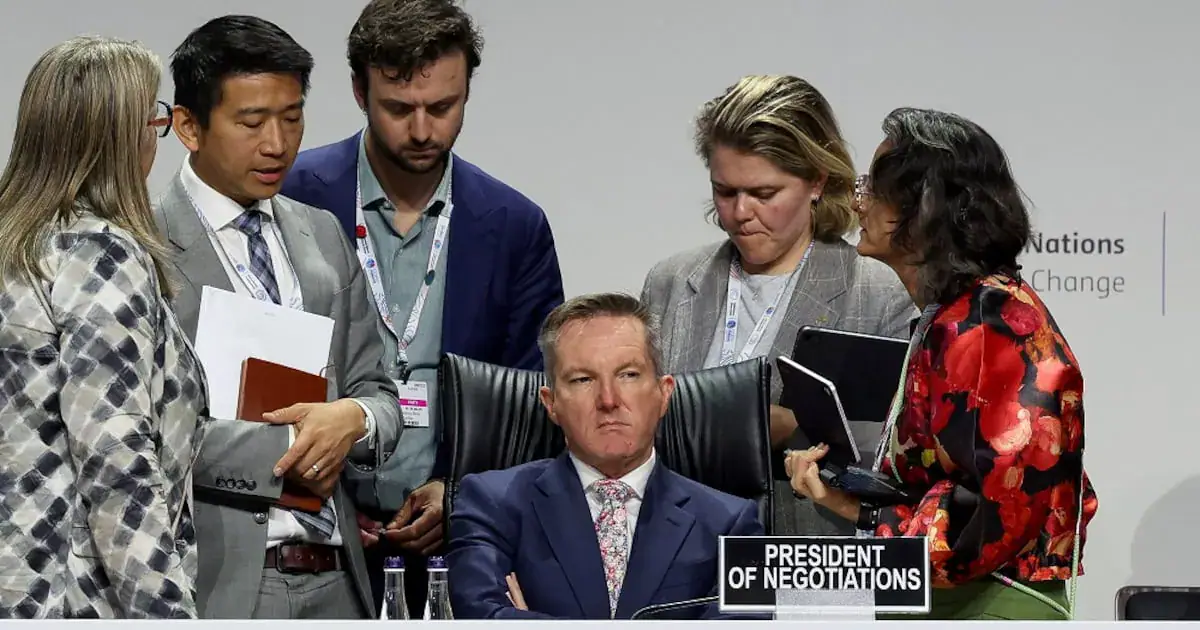
The UN's climate change conference, COP31, has collapsed in Antalya, Turkey, without a final agreement. Nearly 200 countries failed to reach consensus on phasing out fossil fuels and addressing demands for greater climate financing from developed nations. This is the first major failure to reach an agreement at UN climate talks since the Copenhagen summit in 2009. The conference, which lasted over two weeks, was the longest COP on record.
The European Union, representing 27 countries, objected to the final draft decision, citing the lack of mention of phasing out fossil fuels. Irish minister Darragh O'Brien stated that the EU strongly objects to the text, saying it does not meet the level of action required to tackle climate change. The initial draft decision called for accelerated action to phase out fossil fuels, but the final draft did not include this wording.
Developing countries, including those in Africa, pushed for wealthier nations to adhere to the provisions of the Paris Agreement, which includes providing financial resources to assist with mitigation and adaptation. However, they did not get what they wanted, with the proposal for adaptation financing to move from $40bn in 2025 to $120bn by 2035 not being adopted.
Ghana's Zanetor Agyeman-Rawlings, speaking on behalf of the African group of negotiators, said African nations struggled with the final draft, citing a lack of concrete plans on climate financing. Despite this, African nations accepted the cover decision, with Agyeman-Rawlings stating that they chose to build multilateralism rather than walk away.
Tasneem Essop, executive director of Climate Action Network International, criticised the EU for contributing to the talks collapsing. She described the COP as the "worst ever," saying that rich nations gutted measures that could have made a difference in protecting people from the worsening climate crisis.
The collapse of COP31 has significant implications, with no agreement on commitments from countries on how to deal with climate change. The previous COP decisions remain binding, and climate financing and fossil fuels will feature in the next COP, in Addis Ababa, Ethiopia, in 2027.
UN secretary-general António Guterres expressed his disappointment that COP31 ended without consensus on an overarching outcome. He emphasised that major emitters must lead, developed countries must deliver on finance, and every country must do their part to address the climate crisis.
Key points
- The collapse of COP31 marks the first major failure to reach an agreement at UN climate talks since the Copenhagen summit in 2009.
- The European Union objected to the final draft decision, citing the lack of mention of phasing out fossil fuels.
- Developing countries, including those in Africa, are pushing for wealthier nations to provide financial resources to assist with mitigation and adaptation.
Reporting sources
- # 1 COP31 climate talks collapse over fossil fuels and funding · The Rand Daily Mail