The 31st United Nations Climate Conference, held in Antalya, Turkey, concluded on Sunday, November 22, 2026, without a final agreement. Despite over 50 hours of extended negotiations beyond the initial closure date of November 20, nearly 200 participating countries were unable to adopt a comprehensive political decision. The talks were co-chaired by Turkey's Murat Kurum and Australia's Chris Bowen.
A major point of contention was the future of hydrocarbons, with oil-producing countries like Saudi Arabia and Russia opposing any mention of phasing out fossil fuels. The conference presidency proposed a final text that omitted any reference to reducing fossil fuel use, instead emphasizing controversial carbon capture technologies. However, this compromise was met with resistance from the European Union and island nations, who insisted on a consensus-based decision.
The divide between developed and developing countries also deepened during the talks, particularly regarding climate adaptation financing. African countries and other developing nations faced opposition from several developed powers, including the EU, Japan, Canada, and Norway, over their requests for financial support. The lack of progress on reducing methane emissions and the absence of the United States, which withdrew from the Paris Agreement in January 2026, further hindered the negotiations.
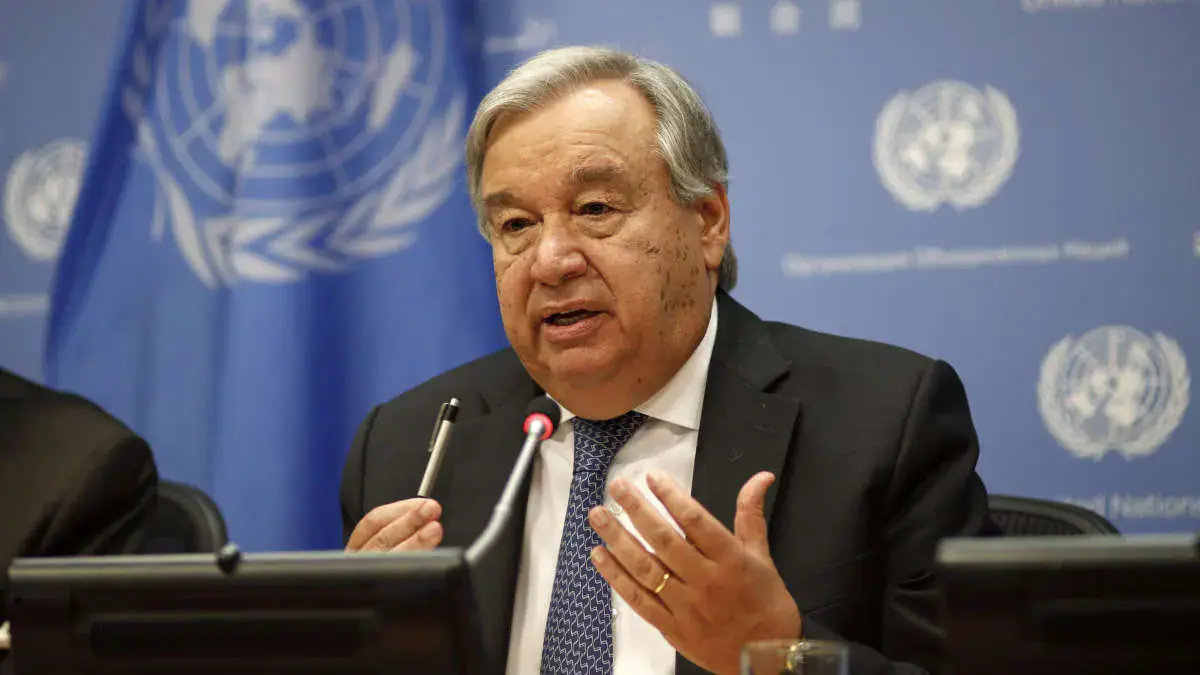
Despite these challenges, nearly 100 countries expressed support for an initiative to increase the global share of electricity to 35% by 2035. However, the overall outcome of the conference was disappointing, with many lamenting the missed opportunities for meaningful action. UN Secretary-General António Guterres noted that "every delay makes our task more difficult and more costly."
The failure to reach an agreement on key issues, such as reducing fossil fuel use and securing climate finance, has significant implications for global efforts to combat climate change. The next COP, scheduled to take place in Ethiopia, will now have to address these pressing concerns. The outcome of the conference has been met with disappointment from many quarters, with some expressing concerns about the lack of ambition and leadership from developed countries.
The COP 31 conference highlighted the complexities and challenges of international climate negotiations, where competing interests and priorities often hinder progress. The absence of a global agreement underscores the need for countries to redouble their efforts to address the climate crisis, both through domestic actions and international cooperation. The UN Secretary-General's comments serve as a reminder of the urgent need for collective action to mitigate the impacts of climate change.
As countries look ahead to the next COP, there is a pressing need for more effective and inclusive negotiations. The failure of COP 31 to deliver a meaningful outcome serves as a wake-up call for governments, civil society, and other stakeholders to work together to address the climate crisis. The stakes are high, and the consequences of inaction will be severe, making it essential to find ways to overcome the current impasse and achieve a more sustainable future.
Key points
- The conference failed to adopt a decision on phasing out fossil fuels due to opposition from oil-producing countries.
Reporting sources
- Climat : la COP 31 s’achève sur un échec historique sans accord final · La Nouvelle Tribune