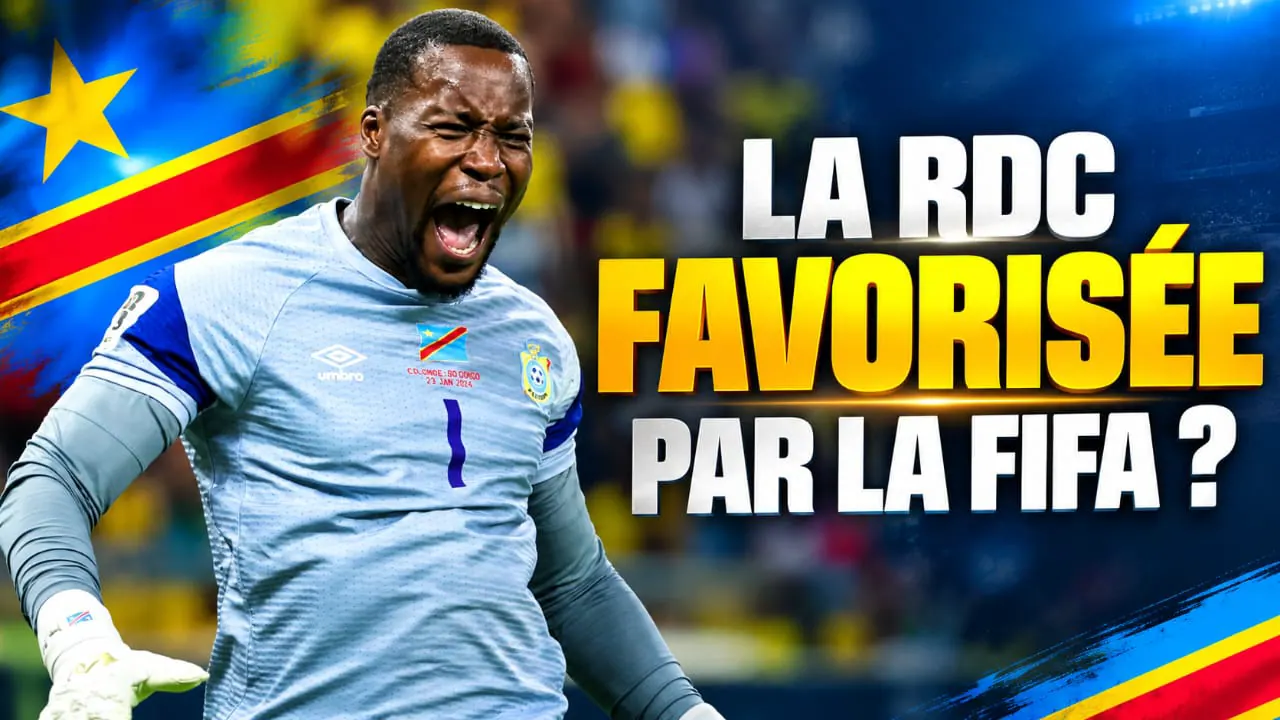
The Democratic Republic of Congo's (DRC) qualification for the 2026 World Cup has sparked controversy following reports from The New York Times and Le Monde regarding the eligibility of goalkeeper Lionel Mpasi. According to internal FIFA documents, the governing body's legal services discovered in March 2026 that Mpasi's change of sporting affiliation from France to DRC may not have been finalized. Mpasi, born in France, had represented French youth teams, including the U17 squad in the 2011 World Cup.
The DRC's football federation (Fecofa) initiated procedures for Mpasi's affiliation change in 2021. However, documents cited by Le Monde suggest that Mpasi participated in several qualifying matches while his change of affiliation was still pending. Notably, he played in the African playoff against Nigeria on November 16, 2025, in Rabat. The Nigerian federation subsequently filed a complaint with FIFA regarding the eligibility of Congolese players, which was deemed inadmissible due to procedural and time-related issues.
FIFA's legal services examined Mpasi's case and considered potential disciplinary actions against the player and Fecofa. The strict application of FIFA regulations could have impacted the African qualifying standings, potentially allowing Burkina Faso to take the DRC's spot in the playoffs. Nevertheless, no decision was made to overturn the DRC's qualification. The DRC's football team has been cleared to participate in the 2026 World Cup, with Mpasi included in the squad and participating in several matches.
The controversy highlights questions surrounding FIFA's handling of Mpasi's eligibility case. Despite the concerns raised, the governing body has not made an official decision to revoke the DRC's World Cup qualification. FIFA emphasizes that its judicial bodies operate independently, making decisions based on applicable regulations and available information.
The DRC's qualification for the World Cup remains intact, following the rejection of the Nigerian federation's appeal due to procedural issues. Mpasi's participation in the tournament has not been officially challenged, and the team has continued to compete with him as part of the squad. The situation has sparked debate about the clarity and consistency of FIFA's regulations and decision-making processes.
The case has also raised questions about the potential consequences for the DRC and other teams involved. If FIFA had taken a stricter stance on Mpasi's eligibility, the DRC's qualification could have been revoked, and Burkina Faso might have taken its place. However, no such decision was made, and the DRC has maintained its spot in the World Cup.
The controversy surrounding Mpasi's eligibility has brought attention to the complexities of international football regulations and the challenges of ensuring compliance. As the DRC prepares for the World Cup, the team's qualification remains subject to scrutiny, and the case may have implications for future international competitions.
Key points
- The DRC's qualification for the 2026 World Cup faces scrutiny due to concerns over goalkeeper Lionel Mpasi's eligibility.
- FIFA's handling of Mpasi's eligibility case has raised questions about the governing body's regulations and decision-making processes.
- The controversy has sparked debate about the potential consequences for the DRC and other teams involved.