The Lagos State government has arrested 27 persons in connection with the alleged vandalism of the newly constructed FESTAC-Alakija Bridge along the Lagos-Badagry Expressway. Governor Babajide Sanwo-Olu warned that vandalism of public infrastructure is a criminal act and would not be allowed to thrive in Lagos. He assured residents that the structural integrity of the bridge remains intact and that remedial works would be undertaken. The bridge, constructed by China Civil Engineering Construction Corporation (CCECC), has been the subject of controversy following a viral video showing extensive damage.
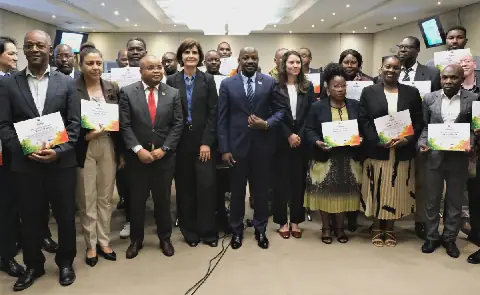
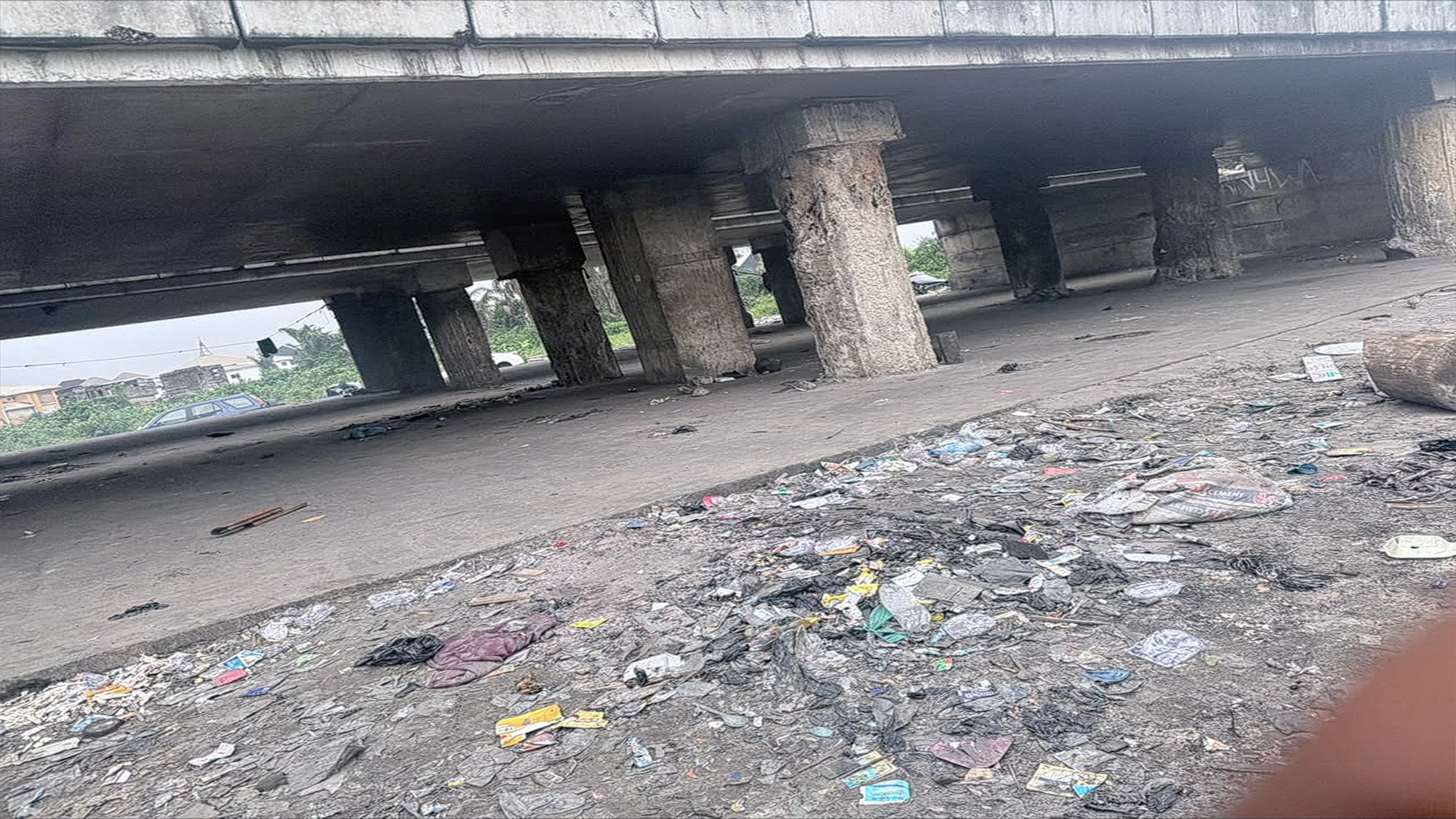
A fact-finding team from the Building and Civil Engineering Professionals Group under the Building Collapse Prevention Guild (BCPG) investigated the allegations and found that the claims of vandalism may have been exaggerated. The team, led by Chubike Okafor, inspected the bridge and found no evidence of concrete cover removal from pile columns. Instead, they discovered rough and irregular surfaces on some pile columns, requiring proper finishing to improve their appearance and protect the concrete cover. Workers from CCECC were reportedly carrying out finishing works on the columns during the team's visit.
The professionals also found that excavation behind a reinforced concrete retaining wall had been undertaken by the contractor during maintenance work on drainage outlets. However, squatters allegedly excavated additional earth and used it to fill waterlogged portions of the area, creating space for makeshift structures. By the team's second visit, significant progress had been made on finishing works, and the contractor disclosed plans to provide additional concrete protection around the pile columns.
Despite the findings, the Lagos State government has a legitimate concern about vandalism and illegal activities around the bridge. A visit to the area beneath the bridge revealed a disturbing picture of environmental degradation, illegal refuse dumping, open burning of wastes, makeshift structures, and insecurity. The government must distinguish between actual structural vandalism, construction defects, unfinished works, maintenance activities, and damage caused by illegal occupation of infrastructure corridors.
The controversy has exposed weaknesses in Nigeria's management of public infrastructure, particularly poor coordination among government agencies and stakeholders. The Federal Government, through the Ministry of Works, is responsible for maintaining major federal roads and bridges, while Lagos State handles environmental sanitation, security enforcement, and physical planning. The contractor, CCECC, has obligations concerning the quality, completion, and maintenance of the project.
To address the issue, the Federal Ministry of Works should provide a clear engineering assessment of the bridge, while CCECC should clarify the status of the project, including completed works, outstanding finishing, and whether any materials were stolen. The Lagos State government should explain its plans for securing and managing the environment around the bridge. Protection of the environment beneath the bridge remains crucial, regardless of whether structural columns were vandalized.
Experts argue that Nigeria needs a comprehensive national framework for protecting critical infrastructure. Legitimate scavenging and recycling should be recognized as economic activities, but the industry must be properly regulated. Scrap dealers should be registered and licensed, while major transactions should be documented and traceable. Until the government follows the entire chain of stolen public property, arrests of scavengers alone will have limited impact.
Key points
- The Lagos State government has arrested 27 persons in connection with the alleged vandalism of the FESTAC-Alakija Bridge.
- Experts question the claims of extensive damage to the bridge, citing lack of evidence of concrete cover removal.
- Nigeria needs a comprehensive national framework for protecting critical infrastructure and regulating the scrap metal industry.