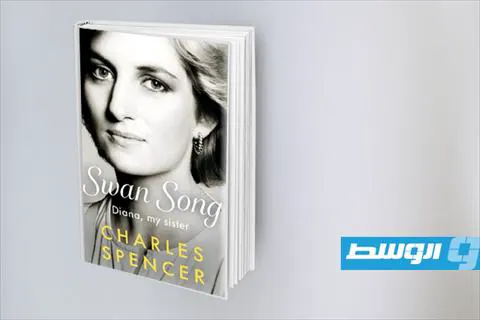
An investigation by journalist Robert Hardman into the memoirs of Earl Spencer, brother of the late Princess Diana, has uncovered a series of contradictions and errors. The memoirs, titled "The Swan Song: Diana, My Sister," were released on Tuesday and have sparked a royal backlash. According to the investigation, Spencer accused King Charles of rejoicing after Diana's death in 1997, which Buckingham Palace denied.
In an interview with BBC, Spencer insisted on his story, saying, "I'm telling the truth." However, Hardman's investigation revealed that a friend close to the King at the time described Charles's reaction as more akin to shock than joy, characterizing his state as "like the end of the world... he was in a state of shock." The investigation also cast doubt on another account in which Spencer attributed a comment to Charles saying, "Don't worry, we'll forget her soon enough!"
The investigation highlighted an error regarding photos of Diana published in the Daily Mirror. Spencer claimed that the paper's former editor, Piers Morgan, published unauthorized photos of Diana while working out at a gym. However, the photos were actually published in 1993, two years before Morgan joined the paper, prompting the book's publishers to issue a formal apology. Morgan is reportedly seeking compensation and demanding that the book be withdrawn from circulation.
Spencer also criticized what he described as Buckingham Palace's "stiff" and "antiquated" handling of his sister's funeral arrangements. He claimed that his request to have Mozart's "Requiem Mass" played was rejected on the grounds that it was not part of the Church of England's liturgy. However, Hardman found that the decision was actually made by the Dean of Westminster Abbey, not the Palace.
The investigation also examined Spencer's claims about the royal family's behavior. He accused Prince Philip of taking paintings by artist Edward Seago without paying for them or returning them, but historical sources suggest that Seago gifted the paintings to the Prince. Additionally, Spencer alleged that his father, Johnny Spencer, had an affair with Queen Elizabeth II, but the timeline of events contradicts this claim.
The investigation concluded that Spencer's memoirs, while "well-written and intelligent," focus more on the author than his sister and reflect a recurring tone of resentment towards the royal institution and the press. Hardman noted that the book appears to be an attempt by Spencer to cement his image as a guardian of his sister's memory.
The controversy surrounding Spencer's memoirs has sparked a heated debate about the accuracy of royal biographies and the ethics of publishing personal accounts of historical events. The book's release has also raised questions about the relationship between the royal family and the media, as well as the challenges of balancing personal and public narratives.
Key points
- Investigation reveals series of inaccuracies in Earl Spencer's memoirs about Princess Diana
- Spencer's claims about King Charles's reaction to Diana's death disputed by royal sources
- Book's publishers issue apology for error regarding photos of Diana published in Daily Mirror