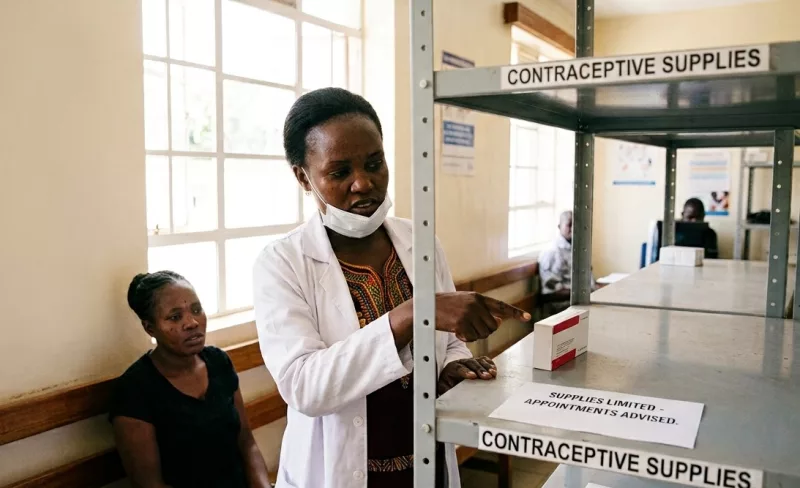
Contraceptive supplies in Kenya are facing increasing pressure due to a funding gap, according to MSI Reproductive Choices Kenya. The organisation warns that existing supplies, which have helped cushion women and girls from the impact of funding cuts, are now running out. This potentially leaves millions without access to contraception. The warning comes as World Contraception Day is observed on September 26.
MSI Kenya's Country Director, Dr Walter Obita, emphasised the need for renewed investment in contraceptive supplies. He stated that access to contraception can give women and girls greater control over their bodies, health, and futures. This includes helping girls remain in school, women pursue careers, and families plan when to have children. Dr Obita urged leaders to recognise the essential role that contraception plays in protecting health, expanding opportunities, and supporting women to thrive.
The funding gap is attributed to the collapse of USAID and reductions in funding from other governments. MSI Kenya is calling on governments and donors to protect and increase funding for contraceptive supplies, meet growing global demand, and ensure people can make decisions about their reproductive health and families. The organisation believes that reproductive choice is fundamental to women’s health, rights, and equality.
World Contraception Day is an opportunity to celebrate the power of reproductive choice and recognise what access to contraception makes possible for women, girls, and their families. However, MSI Kenya stresses that celebration must go hand in hand with action. The organisation is advocating for change until reproductive choice becomes a reality.
MSI Kenya's call for increased funding is aimed at closing the gap for contraceptive supplies. The organisation believes that this will enable people to make decisions about their reproductive health and families. Dr Obita added that MSI Kenya will continue to advocate for change until reproductive choice becomes a reality.
The impact of the funding gap on contraceptive supplies in Kenya is significant. Existing supplies are running low, and without increased funding, millions of women and girls may be left without access to contraception. This could have far-reaching consequences for their health, education, and economic opportunities.
As World Contraception Day is observed, MSI Kenya is urging leaders to take action to address the funding gap. The organisation believes that increased investment in contraceptive supplies is essential to protecting health, expanding opportunities, and supporting women to thrive.
Key points
- MSI Kenya urges government and donors to increase investment in contraceptive supplies.
- Existing contraceptive supplies in Kenya are running low due to funding cuts.
- Access to contraception can give women and girls greater control over their bodies, health, and futures.