The World Contraception Day, celebrated on September 26, emphasizes the importance of reliable information in preventing unwanted pregnancies. In Benin, like elsewhere, choosing a contraceptive method requires particular attention. According to Dr. Douria Salami Djibril, a gynecologist-obstetrician-perinatologist, the choice of contraceptive method must be adapted to each woman. Several factors can guide this choice, including health status, age, pregnancy plans, lifestyle, and personal preferences.
The duration of protection sought also plays a crucial role in choosing a contraceptive method. Some women prefer a method they use daily, while others seek a solution that offers protection for several years. Side effects are also a common concern, as a method can be well-tolerated by one woman and cause discomfort in another. Dr. Douria Salami Djibril stresses the importance of having tailored advice to choose the most suitable method.
The choice of contraceptive method can also evolve over a woman's life. A new pregnancy plan, a change in situation, or poor tolerance can lead to reevaluating the method used. A consultation with a healthcare professional can then examine the different possibilities. Contraception should not overlook the prevention of sexually transmitted infections. The condom remains the only contraceptive method that also protects against STIs, including HIV.
On the occasion of World Contraception Day, the World Health Organization (WHO) published new recommendations on September 23 to expand safe and effective contraceptive options. These recommendations provide new possibilities for using certain methods and an additional option for emergency contraception. The WHO emphasizes the importance of offering a range of choices that allow each person to choose, change, or stop a method according to their needs.
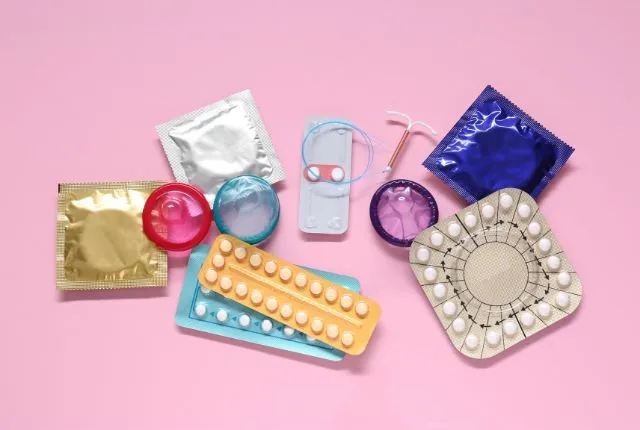
Contraception is based on an informed choice, and reliable information and healthcare professional advice can help each woman find a method adapted to her situation. The variety of contraceptive methods available, including pills, implants, injections, intrauterine devices, and condoms, requires careful consideration. Each method has its own characteristics, and what works for one woman may not work for another.
The WHO's new recommendations aim to provide more options for women and to make contraception more accessible and effective. The organization stresses that it is essential to provide women with the information and support they need to make informed choices about their reproductive health. This includes providing access to a range of contraceptive methods and ensuring that women have the knowledge and skills to use them effectively.
In Benin, as in other countries, it is essential to raise awareness about the importance of contraception and to provide women with access to reliable information and healthcare services. By doing so, women can make informed choices about their reproductive health and take control of their lives. The celebration of World Contraception Day serves as a reminder of the need to prioritize women's health and well-being.
Key points
- Contraceptive methods must be tailored to each woman's individual needs and circumstances.
- The World Health Organization has published new recommendations to expand safe and effective contraceptive options.
- Reliable information and healthcare professional advice are essential in helping women choose the most suitable contraceptive method.