As Bauchi State prepares for another transition in political leadership in 2027, a critical question arises: what should happen to the enormous public investments already made in roads, healthcare, education, infrastructure, and other sectors? The answer has far-reaching implications beyond partisan politics, affecting the protection of taxpayers' money, the completion of projects already financed by the government, the preservation of development gains, and ultimately, the welfare of the people of Bauchi State.
Governor Bala Abdulkadir Mohammed assumed office on May 29, 2019, inheriting a state with numerous abandoned and uncompleted projects. His administration embarked on an extensive programme of completing inherited projects while initiating new interventions across infrastructure, healthcare, education, agriculture, housing, social services, and economic development. The official Bauchi State government projects portal identifies infrastructure, healthcare, education, public finance, social welfare, and economic revitalisation among the administration's major areas of intervention.
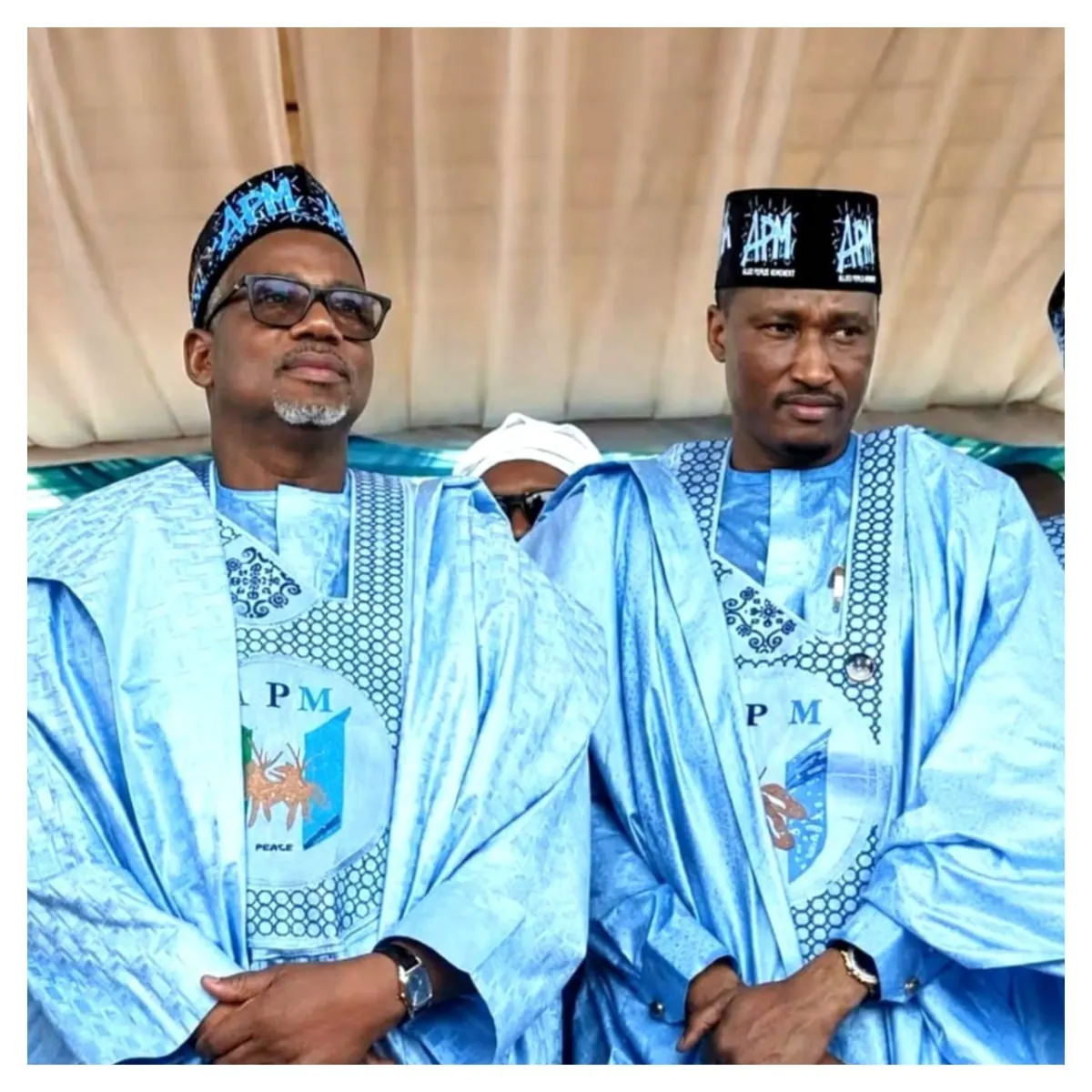
With Governor Bala's second term scheduled to end in May 2027, the debate over succession is also a debate about continuity, stewardship, and the responsible management of public resources. The Allied Peoples Movement (APM) has presented Dr. Yakubu Adamu, a former Bauchi State Commissioner of Finance, as its governorship candidate for the 2027 election. At his unveiling, Adamu said he would build on the achievements of the Bala Mohammed administration, with emphasis on continuity and development.
For Bauchi State, the issue is not merely about whether a new administration should introduce new projects. It is about what happens when governments abandon projects that have already consumed public funds. An unfinished road does not only represent an incomplete physical structure. It means money already spent without the expected economic return. It can leave communities disconnected, delay movement of agricultural produce, increase transportation costs, and force government to spend additional money years later to revive or reconstruct the same project.
Governor Bala Mohammed inherited numerous road projects that had remained incomplete during the preceding administration. They included the Itas-Atafowa-Magarya Road; Darazo-Gafchiyari Road; Hanafari-Jurara-Gidan Babani-Sabon Kafi-Mashema Road; Mararrabar Ganye-Jajuwal-Ganye-Gwalfada-Dokayel-Bakin Kogi Road; Udubo-Gamawa Road; dualisation of Jama'are Road in Azare; Sule Katagum Road, also in Azare; Misau township roads; and several other projects. The administration's record also includes roads it initiated and completed, such as the Adamu Jumba Road; Sabon Kaura-Jos Road; Sultan Abubakar Road; Nitel Quarters Road; Gombe-Maiduguri bypass; Gwangwangwan-Bakaro-Kofar Dumi Road; Malam Goje-Bakin Kura-Muda Lawal Market Road, Hospital Road in Azare, Bununu Township roads in Tafawa Balewa local government; Sade Township roads in Darazo local government; Disina township roads in Shira local government; Tafawa Balewa Road in Azare; and Sade-Akuyam Road, linking communities in Darazo and Misau local governments.
Perhaps nowhere is continuity more directly connected to human welfare than healthcare. The Bala Mohammed administration has been credited with the construction, renovation, and upgrading of hundreds of primary healthcare facilities across Bauchi State. The administration's own development material says progress has been made toward having at least one functional primary healthcare centre in each of the state's 323 electoral wards, while collaborations with development partners have supported renovations and construction of additional facilities. The broader health programme includes interventions at general hospitals.
In August 2026, former President Goodluck Jonathan commissioned 18 township roads in Bauchi metropolis and publicly commended the governor's infrastructure development efforts. Among the infrastructure highlighted is the longest state-sponsored bridge on the Itas-Gadau axis. The Itas-Gadau Road, plus the adjoining bridge, connects ten agrarian villages to four local government headquarters – Katagum, Itas-Gadau, Zaki, and Jama'are local government headquarters. The project illustrates why completing infrastructure can matter more than simply announcing new projects.
Key points
- The debate over succession in Bauchi State is also a debate about continuity, stewardship, and the responsible management of public resources.
- Abandoning projects that have already consumed public funds can have significant economic and social implications for the people of Bauchi State.
- Completing infrastructure projects can matter more than simply announcing new projects, as it can provide greater value from the resources already committed to them.