National development is a long-term process that cannot be achieved within a single administration's term. Sustainable development requires policies to mature, institutions to strengthen, and investments to produce results over time. This is why continuity in governance is essential in Nigeria. Continuity does not mean preserving every policy unchanged, but rather sustaining programs that work, correcting those that require improvement, and discontinuing those that fail based on evidence and the public interest.
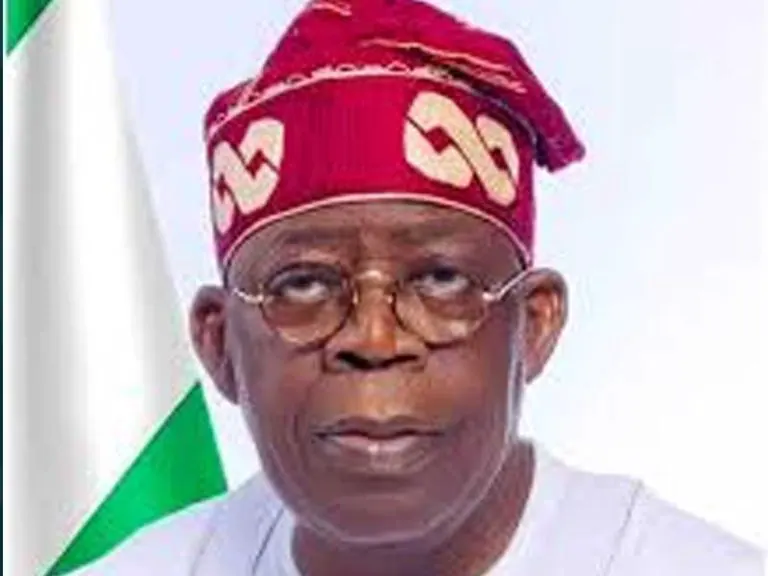
The Renewed Hope Administration of President Bola Ahmed Tinubu has undertaken significant reforms and programs across various sectors, including the economy, education, infrastructure, social investment, and human capital development. In economic management, the administration has pursued major fiscal and structural reforms aimed at strengthening public finances, improving revenue performance, and creating conditions for investment and growth. Government reports in 2026 indicate stronger revenue performance, successive trade surpluses, increased investor confidence, and improved foreign-exchange buffers.
Education is another area where continuity is crucial. The Nigerian Education Loan Fund (NELFUND) has expanded access to tertiary education financing, with over 1.5 million students benefiting by May 2026. Additionally, TETFund-supported infrastructure projects have continued across universities, polytechnics, and colleges of education. These interventions demonstrate that education reforms cannot be judged solely by their immediate impact, but require sustained investment to produce visible benefits.
Infrastructure development also illustrates the importance of continuity. Rail modernization, roads, power infrastructure, ports, and other projects require sustained efforts from planning to completion and maintenance. The federal government has emphasized completing ongoing projects and efficiently utilizing public funds. Similarly, human capital and social development programs, such as NG-CARES and the HOPE initiatives, have been introduced to support vulnerable households and communities.
Security remains a critical area where continuity of policy, investment, and institutional capacity is vital. The administration has increased security spending and undertaken measures to strengthen the capabilities of the armed forces and security agencies. However, the government acknowledges that security challenges persist, and sustained effort is required to address them.
Continuity should not be confused with unquestioning acceptance. A responsible government must examine what is working, identify what is failing, and make necessary adjustments. Citizens have the right to demand transparency about the cost, implementation, and outcomes of public programs. Nigeria has suffered from abandoning projects and policies due to changes in administration, and it is essential to adopt a development culture where successive administrations see themselves as custodians of one national project.
Nigeria needs to prioritize continuity in governance to achieve sustainable development and effective governance. This reduces waste, strengthens institutions, protects public investments, promotes policy stability, and allows long-term programs to mature. The Renewed Hope journey should be judged by evidence, outcomes, and the extent to which its reforms improve the lives of Nigerians.
Key points
- Continuity in governance is crucial for Nigeria's sustainable development.
- The Renewed Hope Administration has undertaken significant reforms across various sectors.
- Nigeria needs a development culture where successive administrations prioritize national development over political competition.